
Helping prove sewage heat recovery in North America
Since the False Creek Neighbourhood Energy Utility (NEU) opened in 2010, sewage heat recovery has moved from a handful of global examples to a growing North American project pipeline, with seven systems now operating or under development Metro Vancouver and in cities including Toronto, Markham, and Denver. The NEU helped make these projects easier to understand, finance and replicate by showing that wastewater heat recovery could work at district scale. This was by design. As Derek Pope, Associate Director, explained to me, the facility plays another role as “a learning hub to enable others to make their own investments in low-emissions energy”.

From Olympic showcase to urban heating model
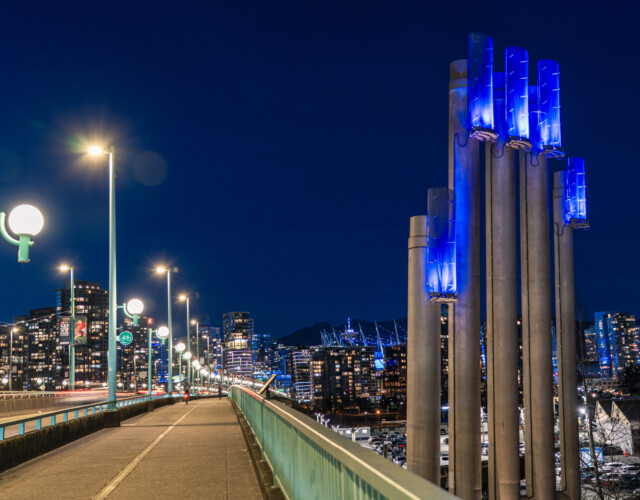
Vancouver’s False Creek Neighbourhood Energy Utility was first built to provide low-emission heat to the Olympic Village, part of the city’s effort to host the world’s most sustainable Olympic Games. The project received an innovation grant and loan to help fund the initial capital costs. It now provides low-emissions heat for near 50 buildings, while offering other cities a working example of both the opportunity and the practical challenges.






Making clean heat easier for buildings
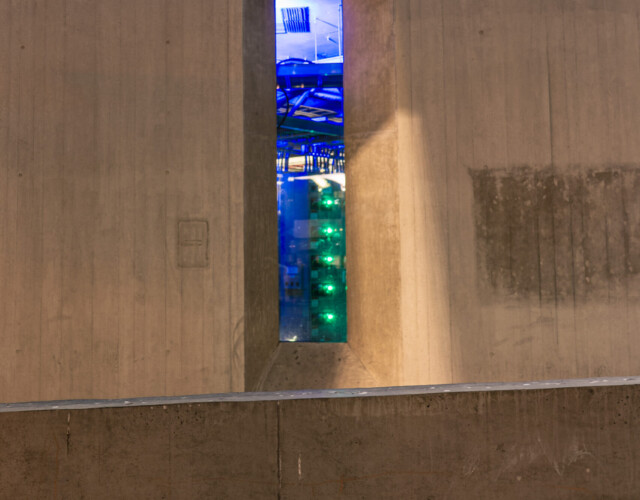
By centralizing heating equipment at the False Creek Energy Centre, the facility also simplifies buildings. New buildings do not need their own large on-site heating systems; each one connects to the NEU through a pair of compact heat exchangers. For a 10- to 15-storey building, each heat exchanger can be about the size of a large suitcase. Less equipment on site can also mean lower maintenance needs, simpler operations and an easier path for building retrofits.
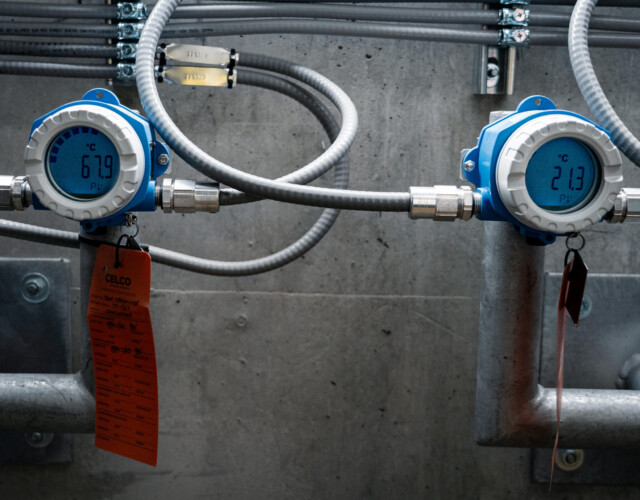
To generate that heat, the centralized facility uses heat pumps to draw heat from wastewater at roughly 20°C and upgrades it to produce hot water around 70°C. That hot water is then pumped to buildings for space heating and domestic hot water. Natural gas boilers at the centralized plant provide peaking and backup when needed, helping ensure reliable service through the year.
The Details
Vancouver
2024
9.6 MW
47
70%
10,000
The next challenge is finding more heat
Planned development within the NEU service area could see the floor area served by the NEU nearly triple at full buildout. To meet the growing energy demand as well as support a transition to 100% renewable energy, additional energy sources will need to be added over time. The 2024 expansion of the sewage heat recovery system, which added 6.6 MW of capacity, is a great start but work is already underway to map out the utilities next investments in low carbon energy. Studies have begun to better understand the local waste heat resources which include data centres, industrial waste heat, and other sewer lines. Heat storage, electric boilers and bioenergy are also being assessed to expand supply.
The False Creek NEU shows what municipally owned low-carbon utility infrastructure can achieve when paired with innovation and operational excellence. The NEU remains a useful model because it is still evolving. The next phase is not just about adding capacity, but about showing how cities can identify, connect and manage more sources of low-emissions heat.