The Clean Energy Build-Out Project
Tracking a decade of clean energy investment in Canada
01
About
Nearly CAD 330 billion has been invested in Canada’s clean energy economy over the past decade, yet the scale and geography of what has been built remain unclear. This project maps that transformation connecting projects, places, and people across the country.
Explore →
02
The Tour
It begins with a journey along Canada’s electric highway, travelling by electric vehicle to clean energy sites across the country, from critical mineral mines to heat pumps and everything in between. See the map below for the project’s current status. Zoom in and click on visited sites for stories, photos, and more details.
Explore →
03
Site Visits
Each site tells a different story: what enabled the investment, what it delivers locally, and the challenges it continues to face. The newest stories are featured below. Use the Explore button to see the full collection.
Explore →
-
Travers Solar – more than Canada’s largest solar project
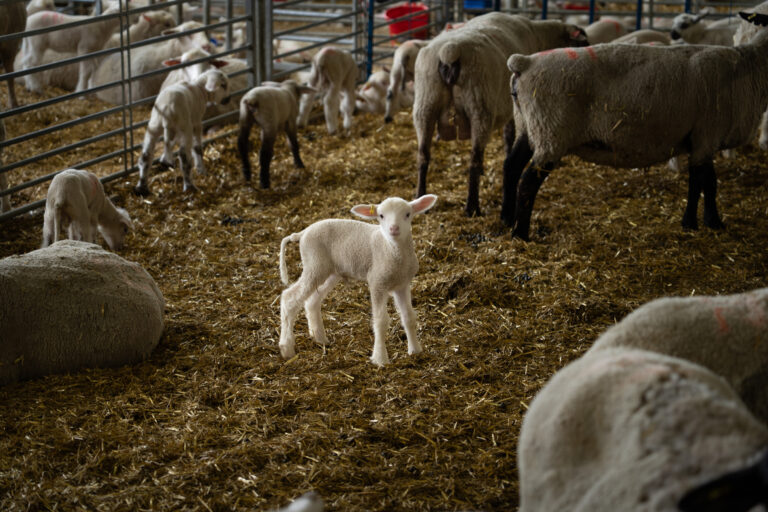
Travers Solar is Canada’s largest solar project, with a capacity of 465 MW, located near Lomond, Alberta. But it is also a financial stabilizer for Yetwood Farms. Eric Steeves walked me through the site, explaining how solar became a new source of stability on land shaped by drought, wind and uncertain agricultural returns.
-
What moving up the value chain looks like at Kalesnikoff
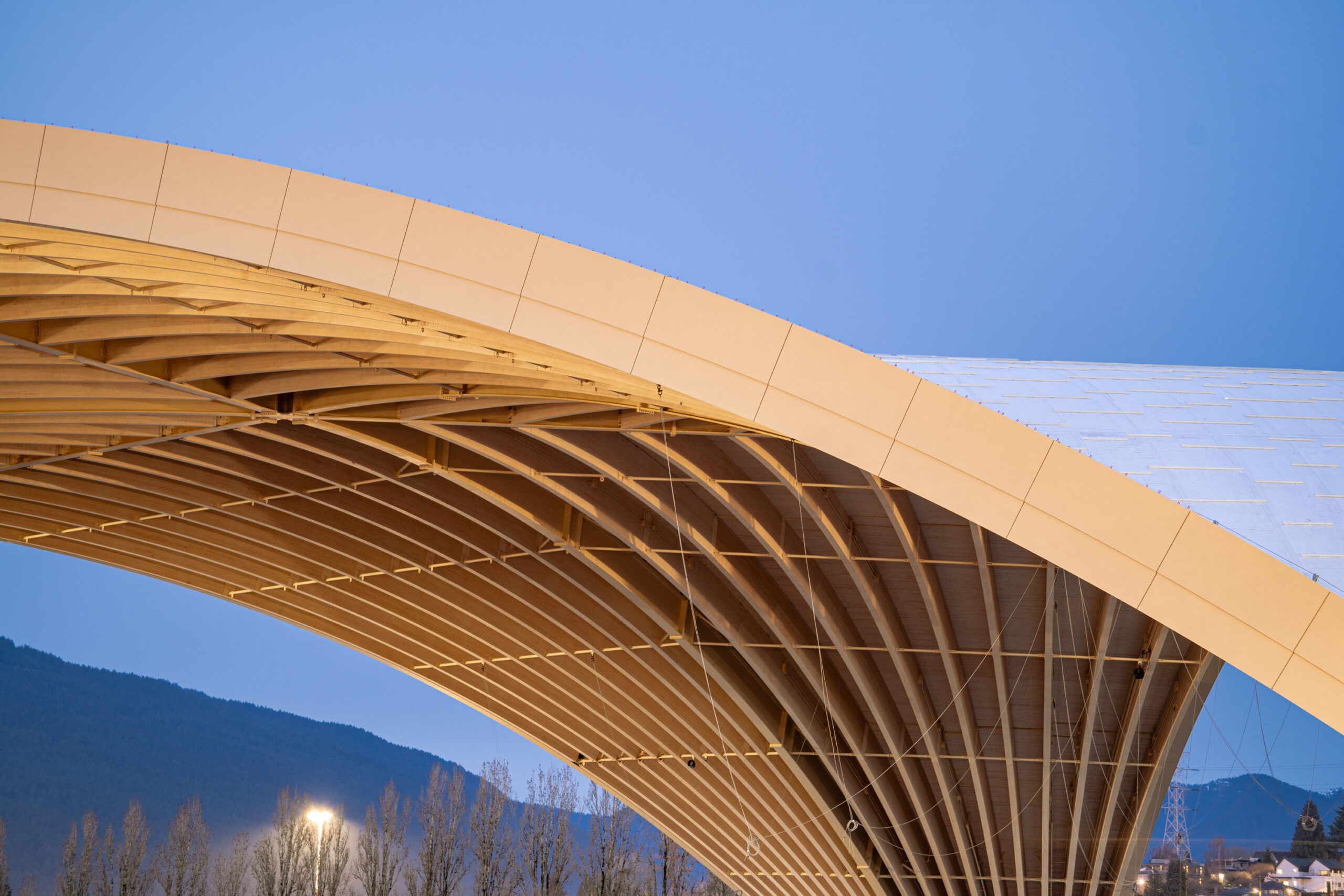
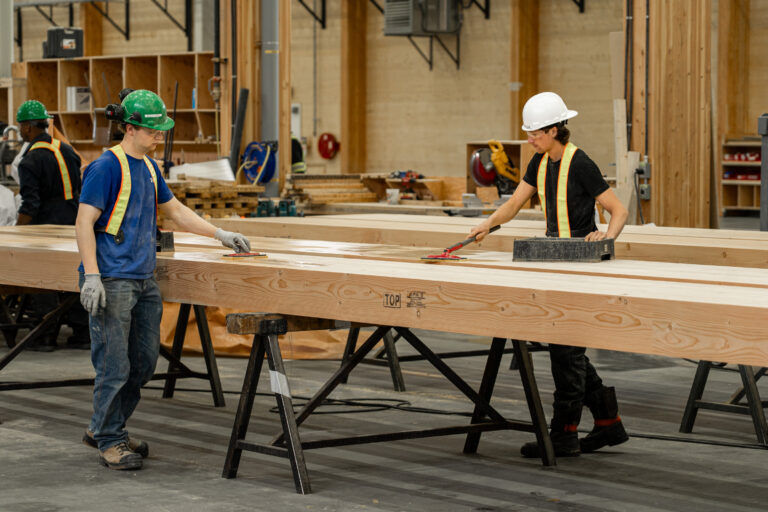
At Kalesnikoff’s Castlegar facility, a family sawmill founded in 1940 has become a clean manufacturing story. By moving into mass timber and modular construction, the company is creating skilled jobs, adding value to B.C. wood, and showing how policy, investment and innovation can help grow lower-carbon building industries in Canada.
-
Consolidated Biofuels sets the bar for biodiesel in Canada
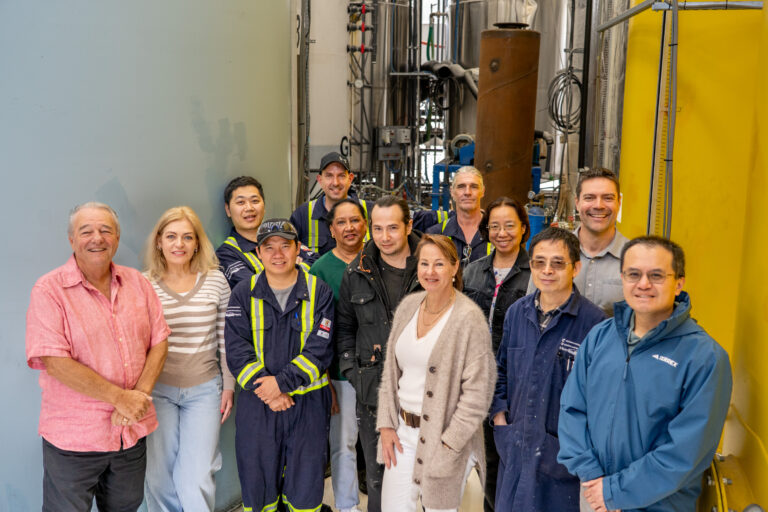
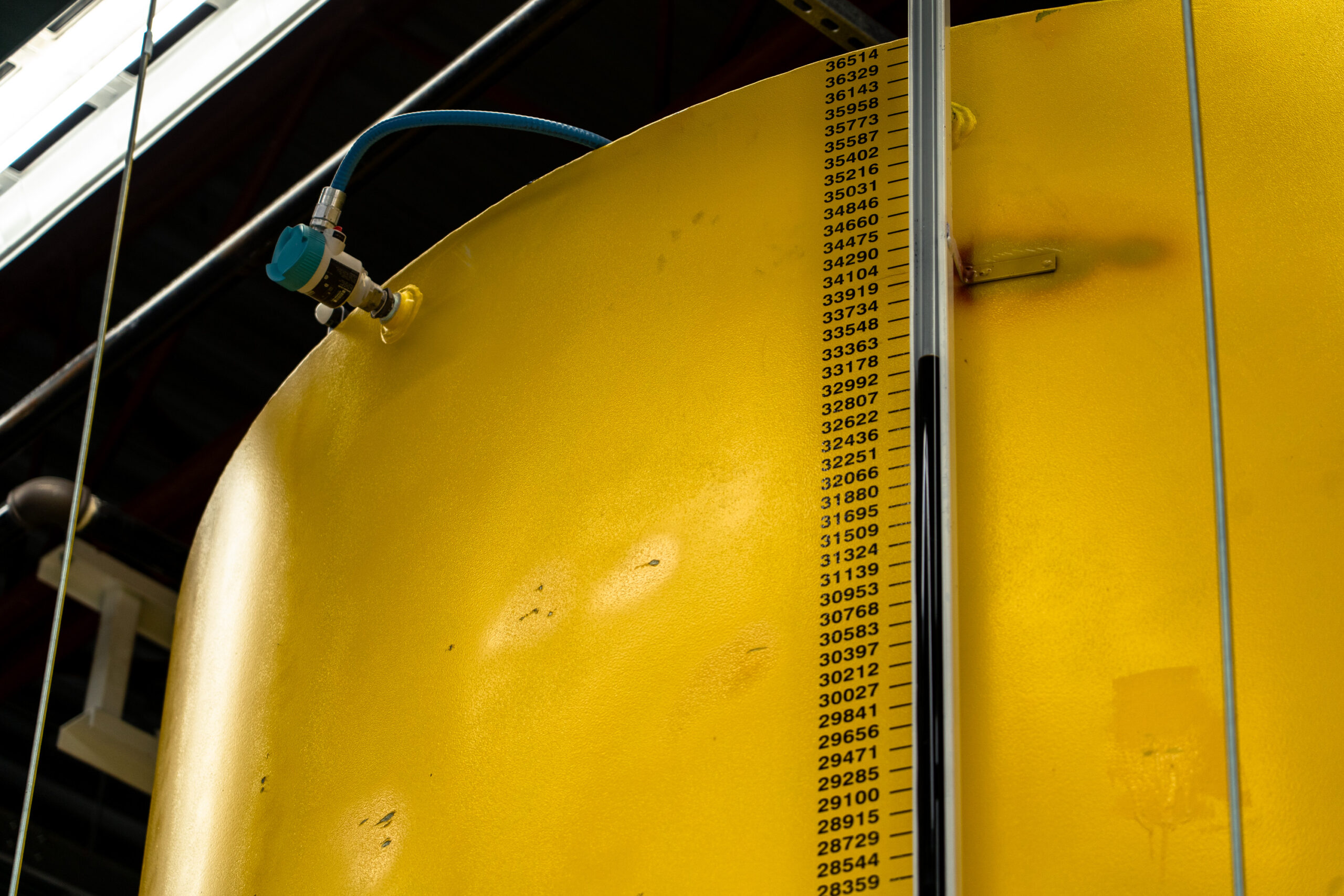
At a small facility in Surrey, waste oils and greases are turned into biodiesel for trucks, equipment, and other harder-to-electrify uses. Consolidated Biofuels’ story shows how local firms can adapt, innovate, and survive in a market shaped by fuel standards, credit systems, and shifting demand for lower-carbon fuels.
The Clean Energy Build-Out Project is an independent research initiative. We gratefully acknowledge the generous financial and in-kind support of the following organizations.