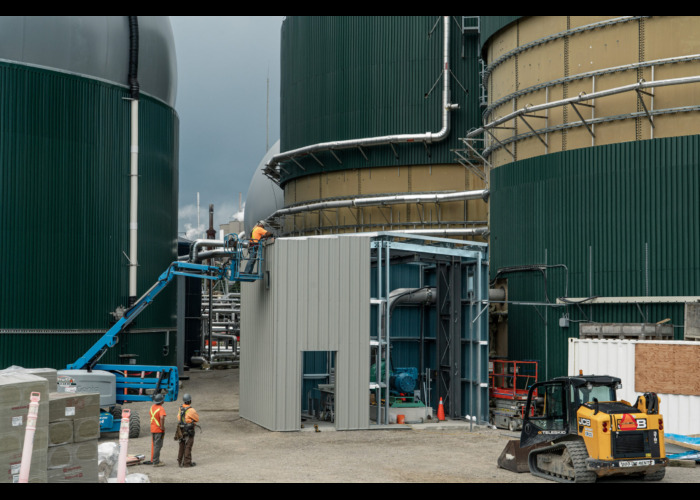
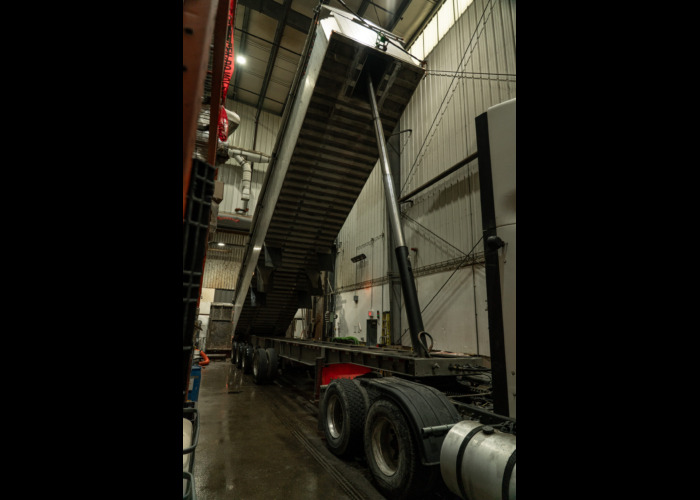
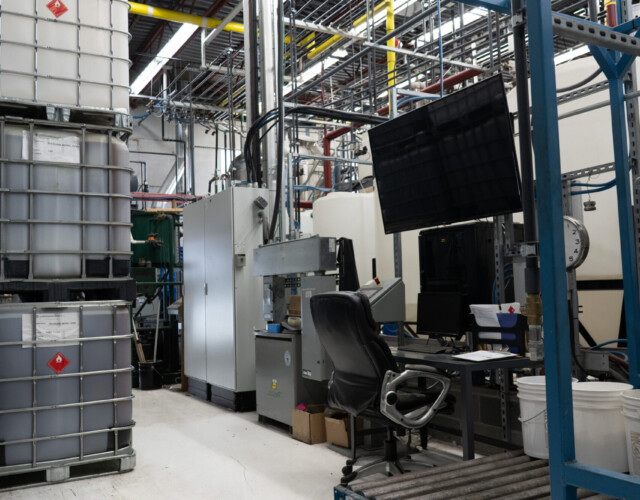
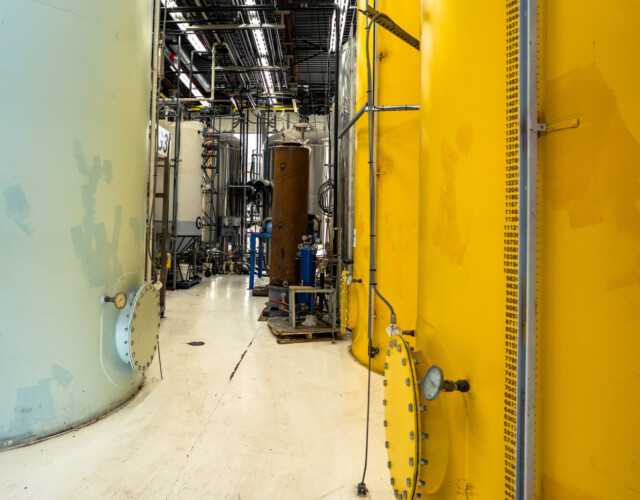
The brown, chunky organic slurry pouring out of the delivery truck and into the holding tank gives off a strong, farm-like odour. Admittedly, I should probably find the scene unpleasant, but instead I am fascinated by it and by what it represents.
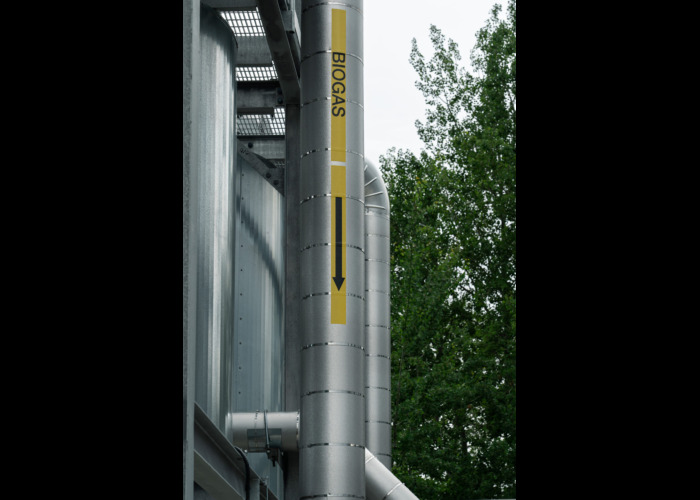
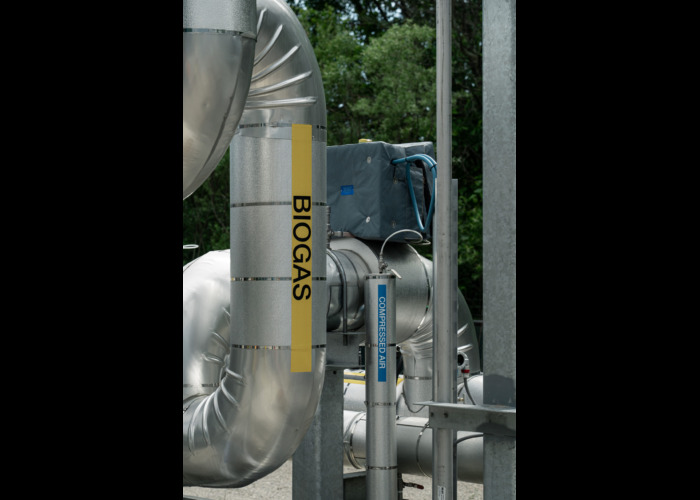
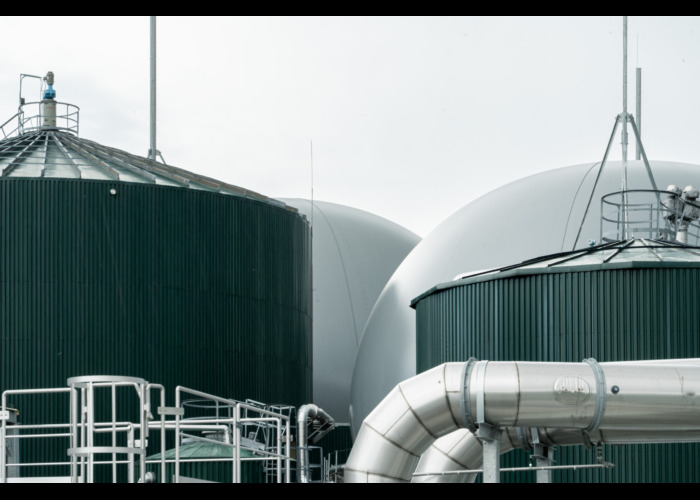
The slurry is one input into a complex system shaped by decades of policy development. At the London facility, food waste is diverted from landfill and converted into renewable natural gas (RNG), which can displace fossil natural gas in heating, industry and transportation.
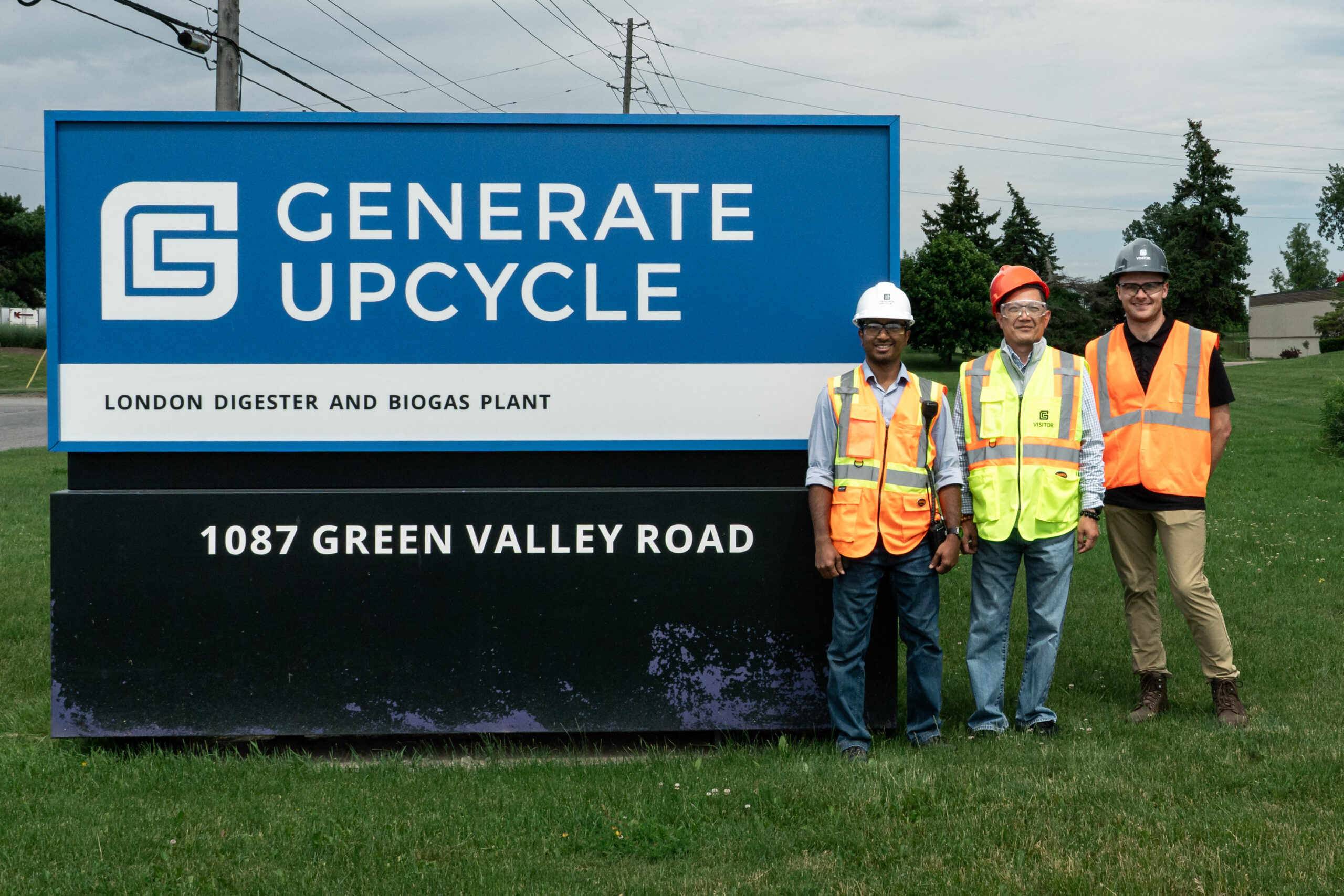
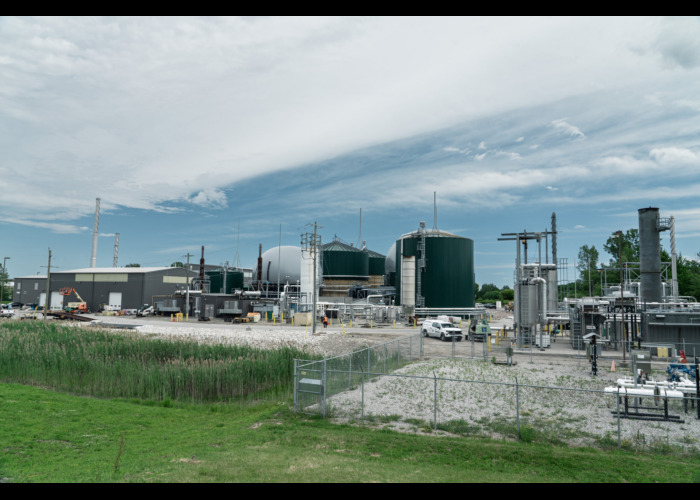
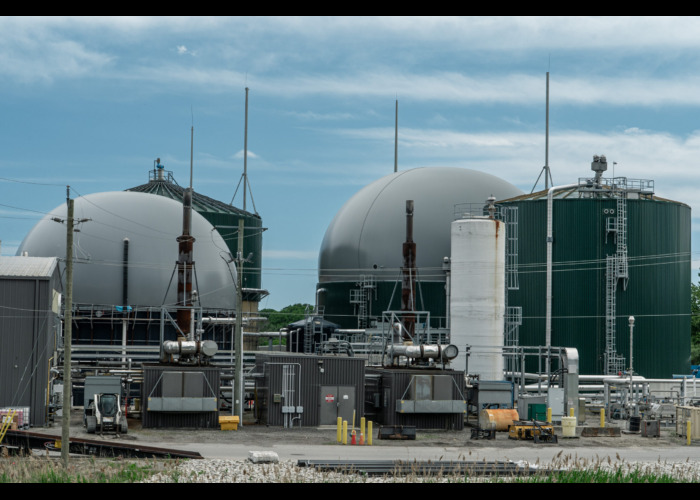
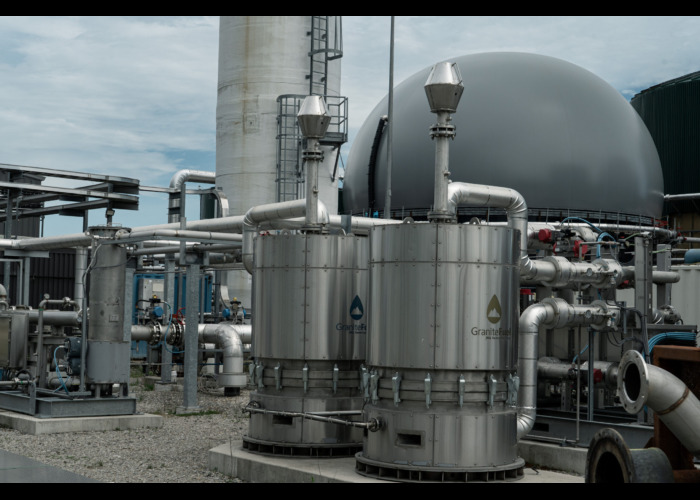
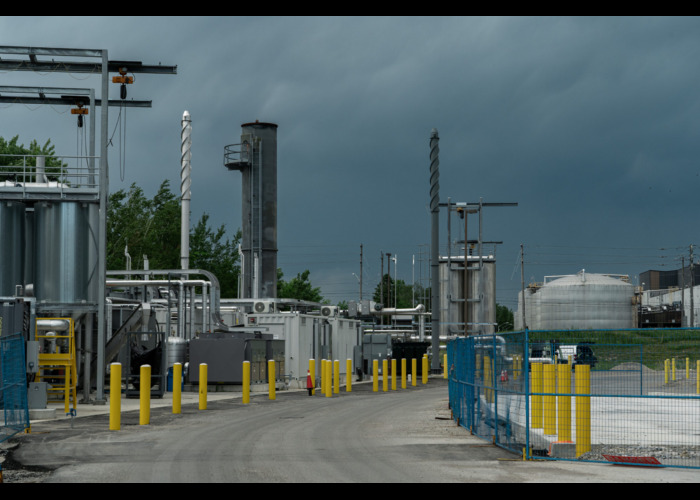
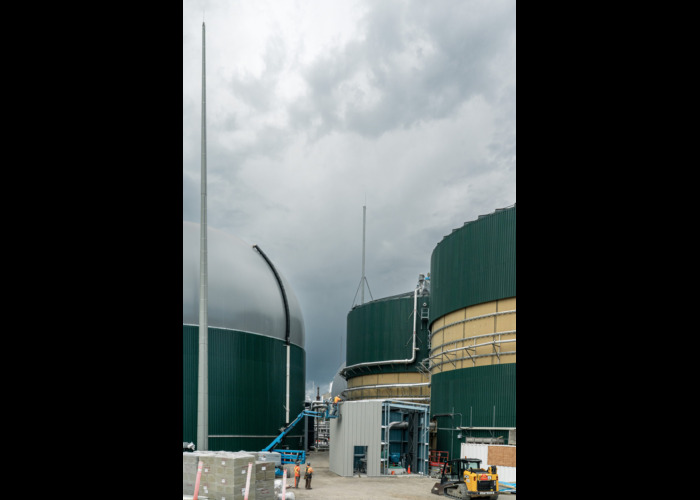
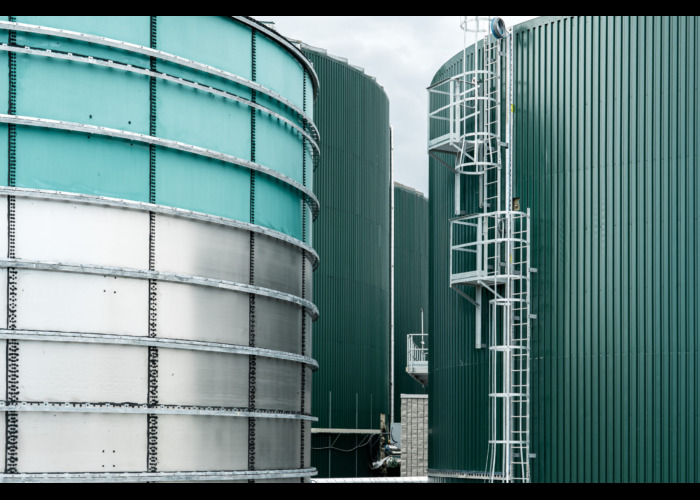
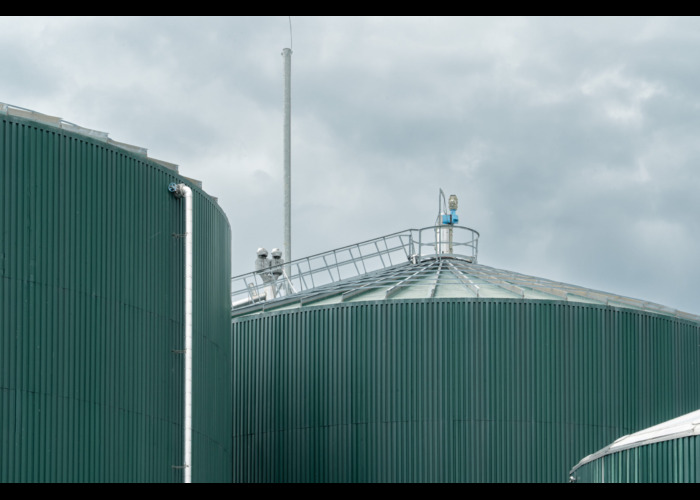
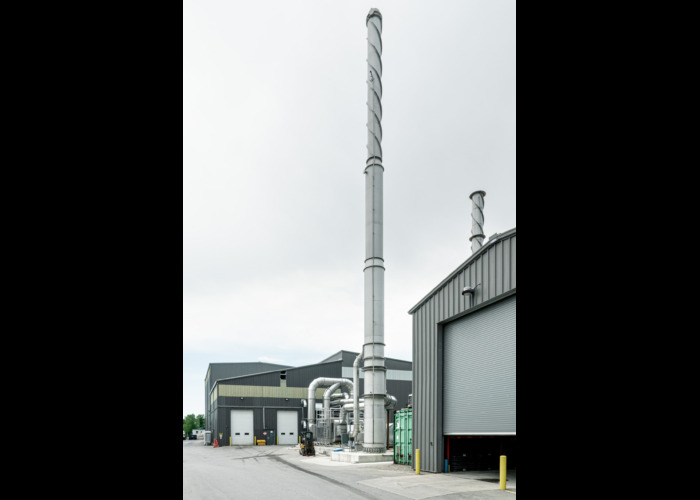
The business behind it is Generate Upcycle, and I am standing inside North America’s largest operating food-waste-to-RNG facility in London, Ontario. Its path to this scale was not straightforward. The facility has operated under several owners, adapted to changing markets and policies, and required substantial new investment to become the expanding RNG business it is today.
The Clean Fuel Regulations play an important role in our business model
Generate Upcycle
More than $175 million invested over the past five years
Business has been growing for Generate Upcycle, which has invested more than $175 million in Ontario over the past five years to expand waste processing and RNG production.
The London facility began producing renewable electricity in 2012 under Ontario’s feed-in tariff program. More recent investments have shifted the business toward higher-value RNG, including new gas-upgrading equipment and the Drumbo Resource Recovery Centre, which removes packaging and contaminants before sending the resulting organic slurry to London.
Government policy has been part of the enabling force throughout: first renewable-electricity support, then stronger organic-waste diversion, and now growing demand for low-carbon fuels through utility purchasing and Canada’s Clean Fuel Regulations. Canada’s Clean Fuel Regulations require gasoline and diesel suppliers to progressively reduce the lifecycle carbon intensity of their fuels, creating a market for compliance credits that renewable natural gas producers can generate and sell based on the emissions reductions their fuel delivers.
Enough renewable natural gas for more than 9,000 homes
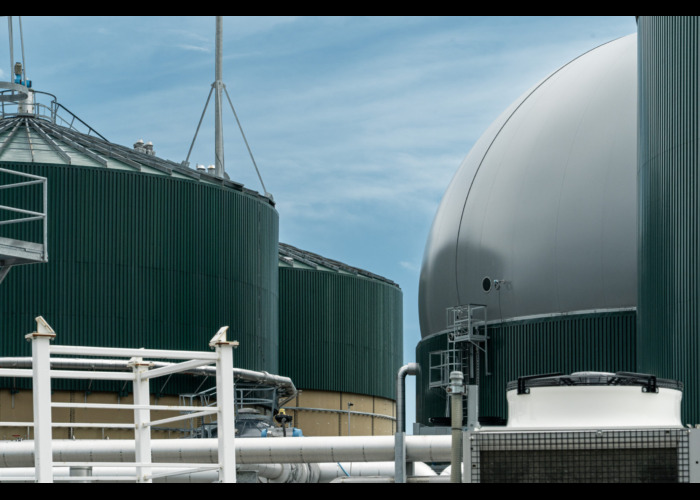
The facility can process up to 225,000 tonnes of organic waste each year, much of which might otherwise have gone to landfill, where decomposing organic material can generate methane, a powerful greenhouse gas emission. Instead, the material is converted into RNG, electricity and digestate registered as an organic fertilizer for farms in Southwestern Ontario.
At full capacity, the company says the facility can produce up to 832,000 gigajoules of RNG annually, roughly enough to heat 9,400 homes. Generate Upcycle estimates that the facility avoids approximately 100,000 to 140,000 tonnes of carbon-dioxide-equivalent emissions annually. It supports 22 full-time jobs in London and about 20 more elsewhere in Ontario.
Generate Upcycle’s London, Ontario facility processes up to 225,000 tonnes of organic waste annually and can produce up to 832,000 GJ of renewable natural gas—enough to heat about 9,400 homes. The company has invested more than $175 million in Ontario over the past five years, and the facility supports 22 full-time jobs in London and about 20 more across the province.
Generate Upcycle’s London, Ontario facility processes up to 225,000 tonnes of organic waste annually and can produce up to 832,000 GJ of renewable natural gas—enough to heat about 9,400 homes. The company has invested more than $175 million in Ontario over the past five years, and the facility supports 22 full-time jobs in London and about 20 more across the province.
Generate Upcycle’s London, Ontario facility processes up to 225,000 tonnes of organic waste annually and can produce up to 832,000 GJ of renewable natural gas—enough to heat about 9,400 homes. The company has invested more than $175 million in Ontario over the past five years, and the facility supports 22 full-time jobs in London and about 20 more across the province.
Generate Upcycle’s London, Ontario facility processes up to 225,000 tonnes of organic waste annually and can produce up to 832,000 GJ of renewable natural gas—enough to heat about 9,400 homes. The company has invested more than $175 million in Ontario over the past five years, and the facility supports 22 full-time jobs in London and about 20 more across the province.
Generate Upcycle’s London, Ontario facility processes up to 225,000 tonnes of organic waste annually and can produce up to 832,000 GJ of renewable natural gas—enough to heat about 9,400 homes. The company has invested more than $175 million in Ontario over the past five years, and the facility supports 22 full-time jobs in London and about 20 more across the province.
Generate Upcycle’s London, Ontario facility processes up to 225,000 tonnes of organic waste annually and can produce up to 832,000 GJ of renewable natural gas—enough to heat about 9,400 homes. The company has invested more than $175 million in Ontario over the past five years, and the facility supports 22 full-time jobs in London and about 20 more across the province.
Generate Upcycle’s London, Ontario facility processes up to 225,000 tonnes of organic waste annually and can produce up to 832,000 GJ of renewable natural gas—enough to heat about 9,400 homes. The company has invested more than $175 million in Ontario over the past five years, and the facility supports 22 full-time jobs in London and about 20 more across the province.
Generate Upcycle’s London, Ontario facility processes up to 225,000 tonnes of organic waste annually and can produce up to 832,000 GJ of renewable natural gas—enough to heat about 9,400 homes. The company has invested more than $175 million in Ontario over the past five years, and the facility supports 22 full-time jobs in London and about 20 more across the province.
Generate Upcycle’s London, Ontario facility processes up to 225,000 tonnes of organic waste annually and can produce up to 832,000 GJ of renewable natural gas—enough to heat about 9,400 homes. The company has invested more than $175 million in Ontario over the past five years, and the facility supports 22 full-time jobs in London and about 20 more across the province.
Generate Upcycle’s London, Ontario facility processes up to 225,000 tonnes of organic waste annually and can produce up to 832,000 GJ of renewable natural gas—enough to heat about 9,400 homes. The company has invested more than $175 million in Ontario over the past five years, and the facility supports 22 full-time jobs in London and about 20 more across the province.
Generate Upcycle’s London, Ontario facility processes up to 225,000 tonnes of organic waste annually and can produce up to 832,000 GJ of renewable natural gas—enough to heat about 9,400 homes. The company has invested more than $175 million in Ontario over the past five years, and the facility supports 22 full-time jobs in London and about 20 more across the province.
Generate Upcycle’s London, Ontario facility processes up to 225,000 tonnes of organic waste annually and can produce up to 832,000 GJ of renewable natural gas—enough to heat about 9,400 homes. The company has invested more than $175 million in Ontario over the past five years, and the facility supports 22 full-time jobs in London and about 20 more across the province.
Generate Upcycle’s London, Ontario facility processes up to 225,000 tonnes of organic waste annually and can produce up to 832,000 GJ of renewable natural gas—enough to heat about 9,400 homes. The company has invested more than $175 million in Ontario over the past five years, and the facility supports 22 full-time jobs in London and about 20 more across the province.
Generate Upcycle’s London, Ontario facility processes up to 225,000 tonnes of organic waste annually and can produce up to 832,000 GJ of renewable natural gas—enough to heat about 9,400 homes. The company has invested more than $175 million in Ontario over the past five years, and the facility supports 22 full-time jobs in London and about 20 more across the province.
Generate Upcycle’s London, Ontario facility processes up to 225,000 tonnes of organic waste annually and can produce up to 832,000 GJ of renewable natural gas—enough to heat about 9,400 homes. The company has invested more than $175 million in Ontario over the past five years, and the facility supports 22 full-time jobs in London and about 20 more across the province.
Generate Upcycle’s London, Ontario facility processes up to 225,000 tonnes of organic waste annually and can produce up to 832,000 GJ of renewable natural gas—enough to heat about 9,400 homes. The company has invested more than $175 million in Ontario over the past five years, and the facility supports 22 full-time jobs in London and about 20 more across the province.
Generate Upcycle’s London, Ontario facility processes up to 225,000 tonnes of organic waste annually and can produce up to 832,000 GJ of renewable natural gas—enough to heat about 9,400 homes. The company has invested more than $175 million in Ontario over the past five years, and the facility supports 22 full-time jobs in London and about 20 more across the province.
Generate Upcycle’s London, Ontario facility processes up to 225,000 tonnes of organic waste annually and can produce up to 832,000 GJ of renewable natural gas—enough to heat about 9,400 homes. The company has invested more than $175 million in Ontario over the past five years, and the facility supports 22 full-time jobs in London and about 20 more across the province.
Generate Upcycle’s London, Ontario facility processes up to 225,000 tonnes of organic waste annually and can produce up to 832,000 GJ of renewable natural gas—enough to heat about 9,400 homes. The company has invested more than $175 million in Ontario over the past five years, and the facility supports 22 full-time jobs in London and about 20 more across the province.
Generate Upcycle’s London, Ontario facility processes up to 225,000 tonnes of organic waste annually and can produce up to 832,000 GJ of renewable natural gas—enough to heat about 9,400 homes. The company has invested more than $175 million in Ontario over the past five years, and the facility supports 22 full-time jobs in London and about 20 more across the province.
Generate Upcycle’s London, Ontario facility processes up to 225,000 tonnes of organic waste annually and can produce up to 832,000 GJ of renewable natural gas—enough to heat about 9,400 homes. The company has invested more than $175 million in Ontario over the past five years, and the facility supports 22 full-time jobs in London and about 20 more across the province.
Feedstock supply and odour have shaped the facility’s development
Reaching today’s scale required the facility to overcome financial and operational difficulties, manage community concerns and adapt to a constrained industrial site.
The original facility, owned at the time by Harvest Power, struggled financially because of inconsistent feedstock supply, low production and higher-than-expected labour costs. Generate Upcycle has since invested in preprocessing organic waste to remove contaminants and create a more consistent feedstock mix for the digesters. It has also benefited from Ontario Ministry of Environment, Conservation and Parks requirements to institute curbside collection of source-separated organics in curbside waste.
In reaction to odour complaints facing several industrial enterprises and landfills in southern Ontario around 2016-2017, including the London biogas facility, faced mounting odour complaints. StormFisher Environmental, the owner of the facility at that time, developed an odour-management plan that Ontario later incorporated, along with complaint-response and monitoring requirements, into the facility’s 2020 environmental permit approval. Generate Capital acquired StormFisher’s organics business in 2022 and brought the site into Generate Upcycle, which has continued to invest in odour controls and monitoring devices.
The Details
175 million
Investment last five years
2012
Year commissioned
225 000
Waste capacity tonnes per year
832 000
Renewable natural gas capacity (GJ)
42
Employees
London, Ontario
Location
A $70 million expansion is underway
Generate Upcycle is now completing a further $70 million expansion of the London facility, expected by Q1 of 2027. The project will expand feedstock capacity, digester capacity and increase biogas and RNG production, building on the operational changes made over the past several years.
Food waste, and other biological wastes such as manure and wastewater, will continue to be produced every day and must be managed somehow. Nearly 300 facilities already produce biogas and RNG across Canada, but the Canadian Biogas Association estimates that only a fraction of the country’s potential has been developed. With new projects under construction and in development, the association expects Canadian RNG production to roughly quadruple by 2028. Because RNG is a drop-in substitute for fossil natural gas, it can be transported through existing pipelines and used in existing equipment. The lesson from London is that, with the right regulatory framework, collection systems, infrastructure and markets, food waste can become a source of energy and fertilizer.
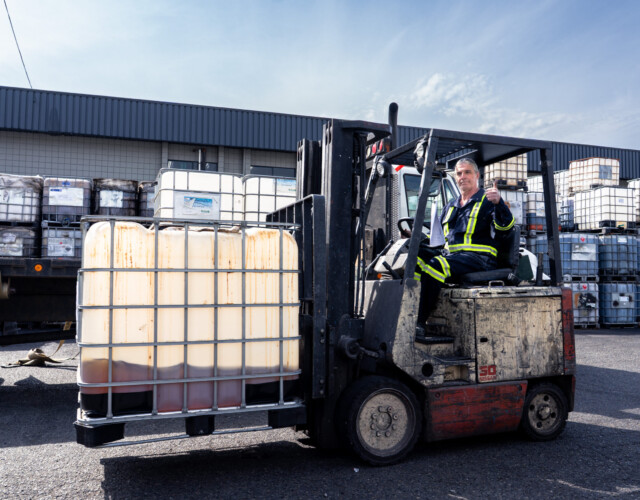
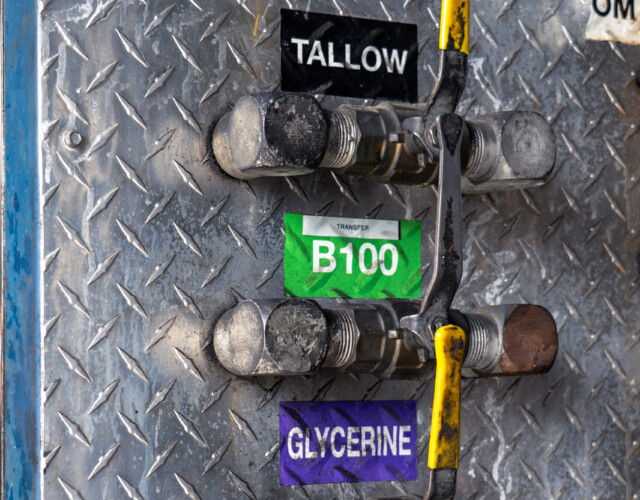
In a facility in Surrey, B.C., Consolidated Biofuels is taking waste oils and greases collected from the Pacific Northwest and turning them into biodiesel. The technology is not new. Biodiesel moved into the mainstream years ago and is now produced at scale by major agribusinesses such as ADM, while multinationals such as Neste, Chevron and TotalEnergies produce competing renewable fuels. Against that backdrop, the surprise is not what Consolidated Biofuels makes. It is that a small B.C. producer continues to succeed.
“With our fuel you can get zero emissions today”
Dan Treleaven
CEO
Innovation as survival strategy
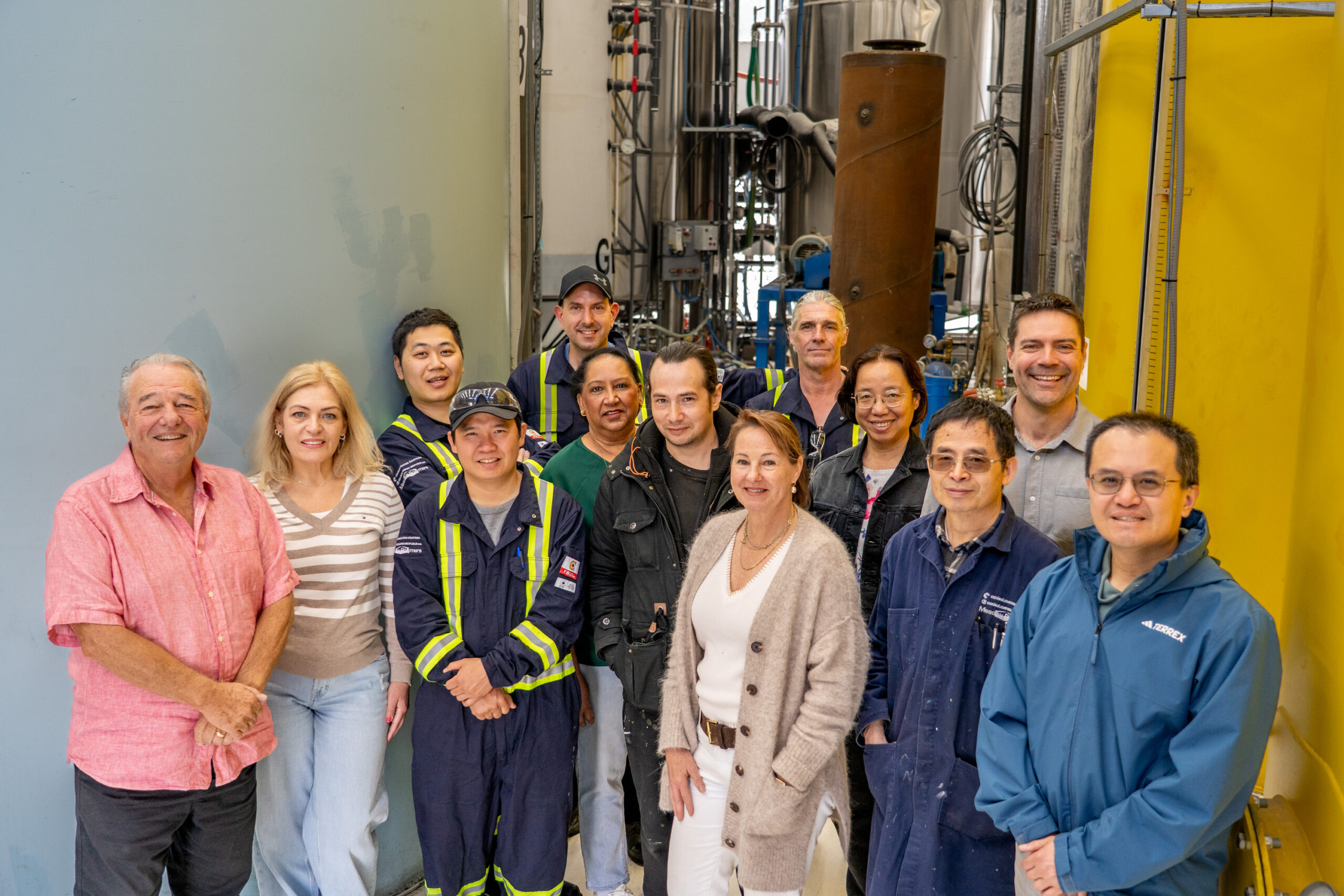
As Dan Treleaven and Graeme Pitches explained during my visit, Consolidated Biofuels’ competitive edge comes from constant innovation, diversification and a commitment to quality. The company is part of a broader group of businesses spanning biofuels, coatings, polymers and other specialty chemicals. Its roots trace back to Consolidated Coatings, founded by Treleaven in 1981, before expanding into biodiesel through Consolidated Biofuels in 2008 and later into polymers through Meadow Polymers in 2013. According to the company, that broader product base has helped it manage the ups and downs of the biodiesel market, where waste oil prices, credit values and fuel demand can shift quickly. It has also created opportunities for integration, including the use of glycerin, a key biodiesel by-product, in the group’s polymer business. That helps reduce costs, make better use of materials and lower the carbon intensity of the final fuel.
Consolidated Biofuels
Consolidated Biofuels
Consolidated Biofuels
Consolidated Biofuels
Consolidated Biofuels
Consolidated Biofuels
Consolidated Biofuels
Consolidated Biofuels
Consolidated Biofuels
Consolidated Biofuels
Cleaner fuel, lower cost
That matters because cleaner fuel now has a market value. Consolidated’s biodiesel is among the cleanest in Canada[1]. It is also currently significantly cheaper than diesel, despite costing more to produce. The difference comes from policy. British Columbia’s Low-Carbon Fuel Standard, first implemented in 2010, and Canada’s Clean Fuel Regulations, which began its first compliance period in July 2023, both reward fuels with lower lifecycle greenhouse gas intensities. The policy design creates a direct innovation signal: the cleaner the fuel, the more valuable it becomes. Because Consolidated sells into British Columbia, it can combine provincial and federal clean fuel credits, improving the economics of lower-carbon fuels and reducing the volume fuel suppliers need to meet compliance obligations.
Consolidated is always on the look out for customers wanting to cut the carbon intensity of their fuel. Shipping is one. The sector remains overwhelmingly dependent on oil-based fuels, with biofuels supplying less than 0.5% of global international shipping energy demand in 2024. Today, marine biodiesel demand is still driven mostly by voluntary action, with some support from European regulation. But a proposed International Maritime Organization clean fuel standard for ships could create a more durable compliance market if adopted. Mining is another potential market: diesel-intensive operations in B.C. and Alberta face clean fuel obligations, and biodiesel can reduce on-site emissions without major equipment changes.
Accessing these markets will not be easy. Consolidated will need to continue to compete for waste feedstocks, such as used oils and greases, which are traded internationally and increasingly in demand. For a boutique producer in a market shaped by global players, the path forward is the same as the one that kept it alive: innovate, diversify and make a fuel clean enough to compete.