A boutique producer in a big-fuel world
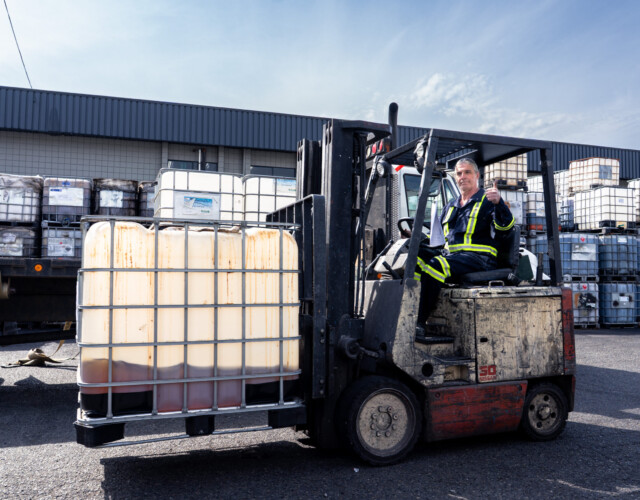
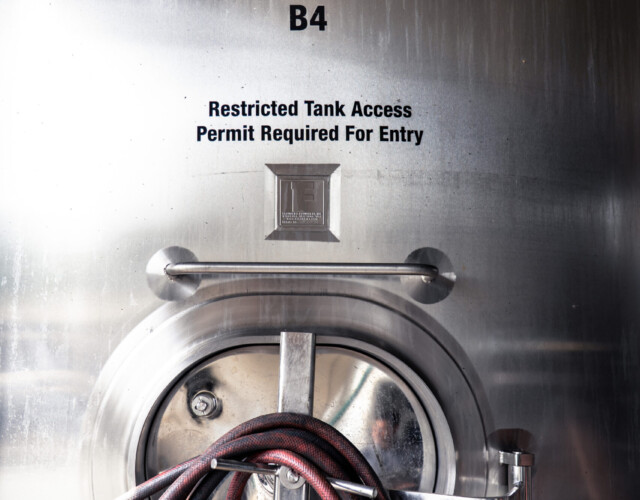
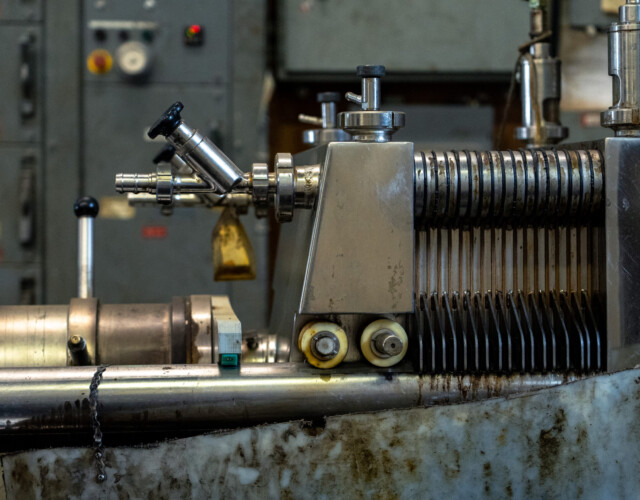
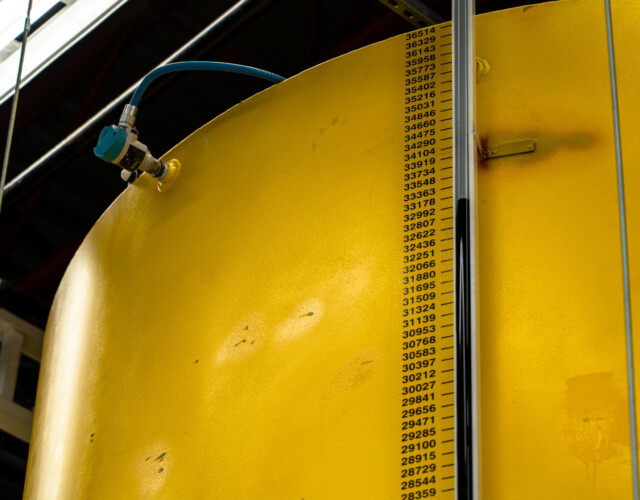
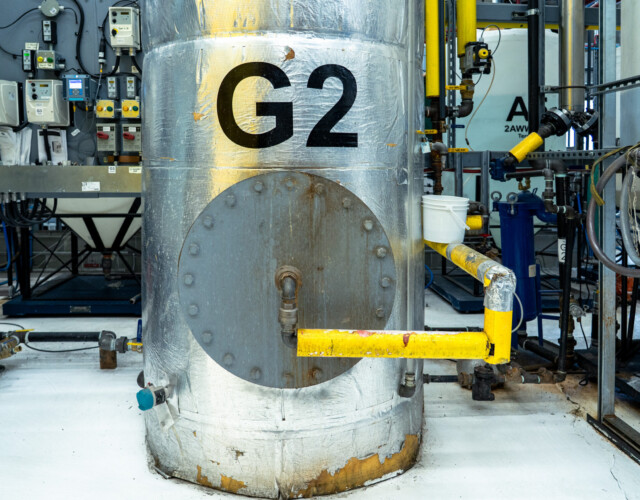
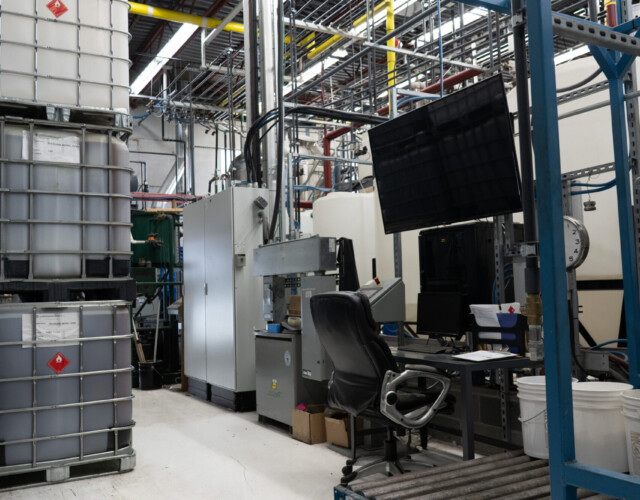
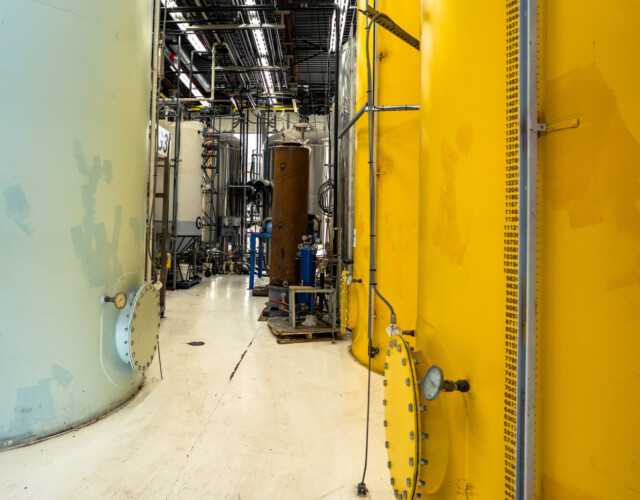
In a facility in Surrey, B.C., Consolidated Biofuels is taking waste oils and greases collected from the Pacific Northwest and turning them into biodiesel. The technology is not new. Biodiesel moved into the mainstream years ago and is now produced at scale by major agribusinesses such as ADM, while multinationals such as Neste, Chevron and TotalEnergies produce competing renewable fuels. Against that backdrop, the surprise is not what Consolidated Biofuels makes. It is that a small B.C. producer continues to succeed.

Innovation as survival strategy
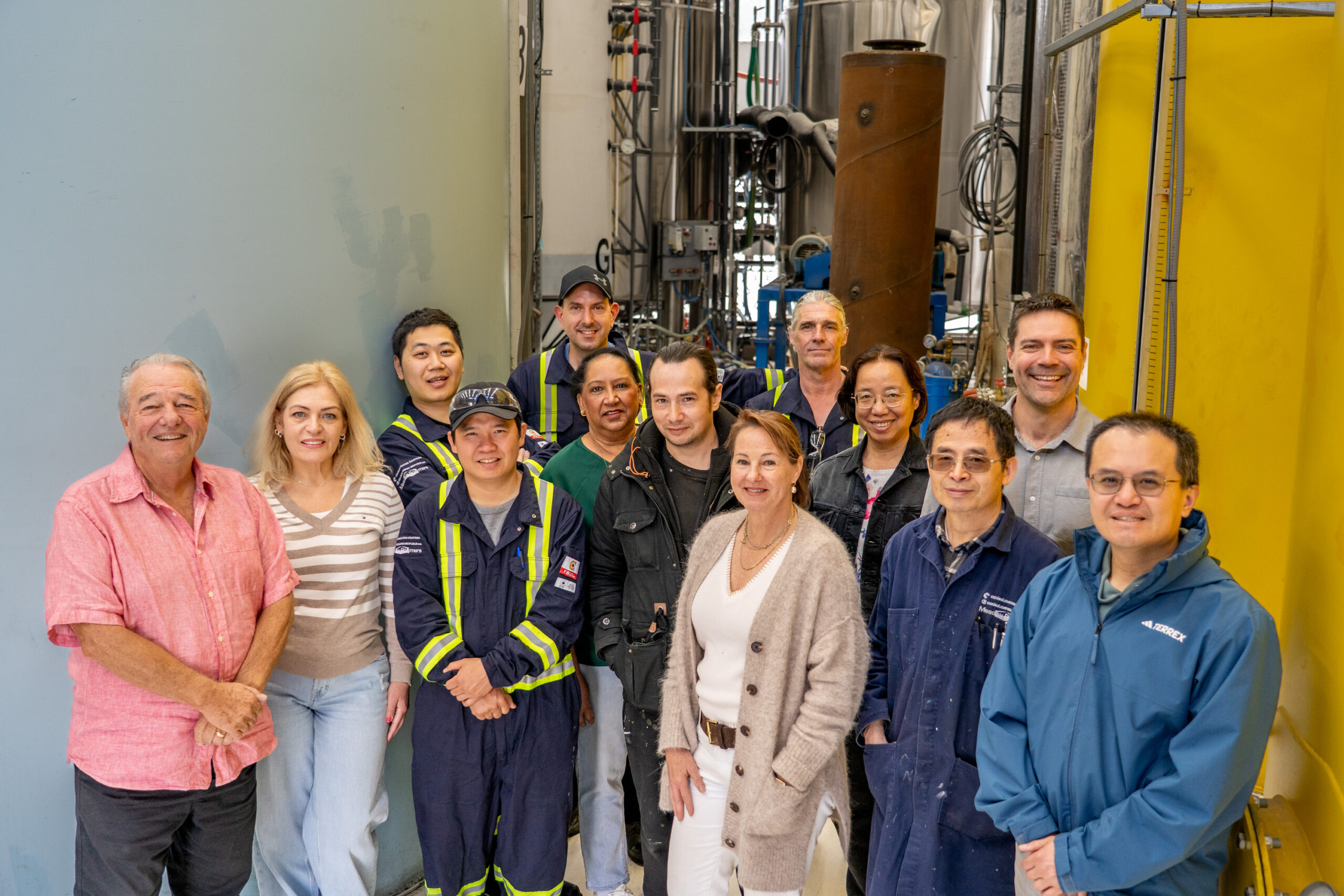
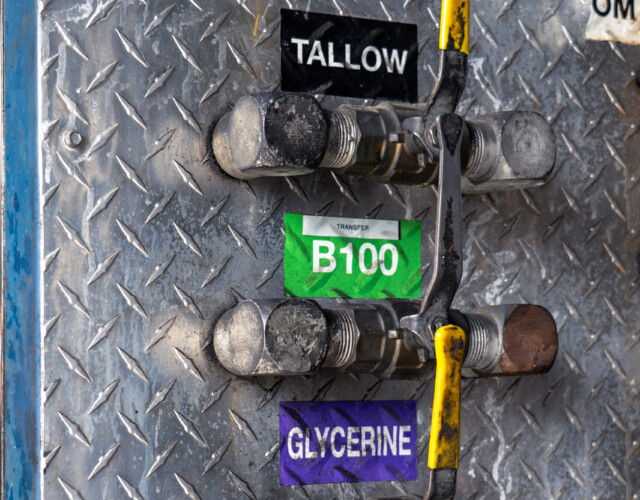
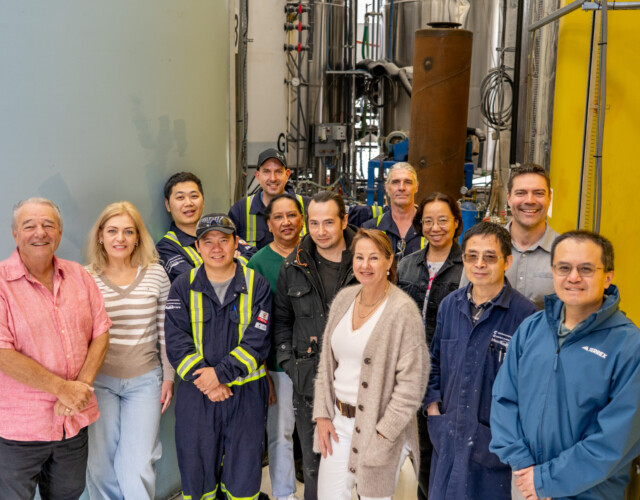
As Dan Treleaven and Graeme Pitches explained during my visit, Consolidated Biofuels’ competitive edge comes from constant innovation, diversification and a commitment to quality. The company is part of a broader group of businesses spanning biofuels, coatings, polymers and other specialty chemicals. Its roots trace back to Consolidated Coatings, founded by Treleaven in 1981, before expanding into biodiesel through Consolidated Biofuels in 2008 and later into polymers through Meadow Polymers in 2013. According to the company, that broader product base has helped it manage the ups and downs of the biodiesel market, where waste oil prices, credit values and fuel demand can shift quickly. It has also created opportunities for integration, including the use of glycerin, a key biodiesel by-product, in the group’s polymer business. That helps reduce costs, make better use of materials and lower the carbon intensity of the final fuel.

Cleaner fuel, lower cost
That matters because cleaner fuel now has a market value. Consolidated’s biodiesel is among the cleanest in Canada[1]. It is also currently significantly cheaper than diesel, despite costing more to produce. The difference comes from policy. British Columbia’s Low-Carbon Fuel Standard, first implemented in 2010, and Canada’s Clean Fuel Regulations, which began its first compliance period in July 2023, both reward fuels with lower lifecycle greenhouse gas intensities. The policy design creates a direct innovation signal: the cleaner the fuel, the more valuable it becomes. Because Consolidated sells into British Columbia, it can combine provincial and federal clean fuel credits, improving the economics of lower-carbon fuels and reducing the volume fuel suppliers need to meet compliance obligations.
[1] Based on its BC LCFS carbon intensity scores.
The Details
Surrey
2008
Biodiesel
11 mlpy
90%
25
Mining and shipping could be the next opportunity
Consolidated is always on the look out for customers wanting to cut the carbon intensity of their fuel. Shipping is one. The sector remains overwhelmingly dependent on oil-based fuels, with biofuels supplying less than 0.5% of global international shipping energy demand in 2024. Today, marine biodiesel demand is still driven mostly by voluntary action, with some support from European regulation. But a proposed International Maritime Organization clean fuel standard for ships could create a more durable compliance market if adopted. Mining is another potential market: diesel-intensive operations in B.C. and Alberta face clean fuel obligations, and biodiesel can reduce on-site emissions without major equipment changes.
Accessing these markets will not be easy. Consolidated will need to continue to compete for waste feedstocks, such as used oils and greases, which are traded internationally and increasingly in demand. For a boutique producer in a market shaped by global players, the path forward is the same as the one that kept it alive: innovate, diversify and make a fuel clean enough to compete.