Building wind power through partnership – a tour of Canada’s largest First Nation wind energy partnership
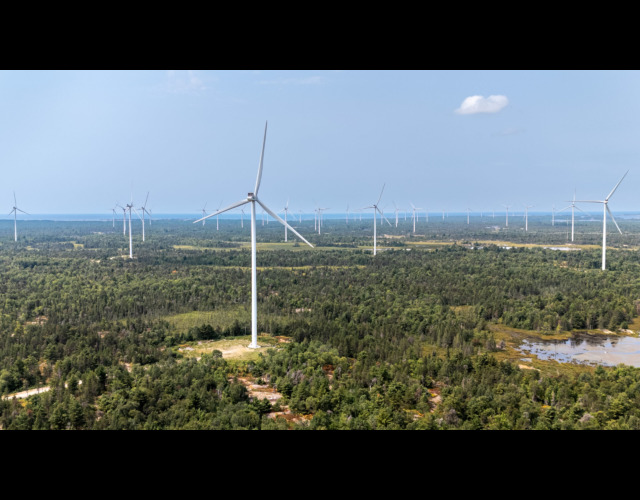
Henvey Inlet Wind is a 300 MW, 87-turbine project and Canada’s largest First Nation wind energy partnership. Built through a 50-50 partnership between Henvey Inlet First Nation and Pattern Energy, it combines long-term ownership, income and community benefits with innovative land-management, environmental and transmission solutions.
It is Sunday night at 9 p.m., and I am quizzing myself on at-risk turtle species, learning that a snake on a dirt road can look almost indistinguishable from a stick, and confirming that I will follow the site’s 20 km/h speed limit.
I have visited almost 50 clean energy sites, and this is the only one where an ecology test was mandatory before I could enter, a sign that Henvey Inlet Wind is a different kind of project.
The 300 MW, 87-turbine project is Canada’s largest First Nation wind energy partnership. It provides Pattern Energy (Pattern) with access to a strong wind resource and a single, principal landowner, while Henvey Inlet First Nation (the Nation) receives ownership, income and significant influence over development. It wasn’t it without challenges, however; developing and financing a project of this scale on reserve land required the Nation to create a new land-management, leasing and regulatory framework under its Land Code.
Henvey Inlet broke new ground in Canada. It showed what is possible when Indigenous ownership, environmental leadership, and clean energy development come together.
Patrick Beatty
Canadian External Affairs Lead – Pattern Energy
A 50-50 partnership
Henvey Inlet Wind is owned equally by Pattern and Nigig Power Corporation (wholly owned by Henvey Inlet First Nation). Nigig secured a 20-year power purchase agreement in 2011 and after considering several developers, the Nation selected Pattern Energy in 2014; the project began operating in 2019.
For Pattern, the site offered a quality wind resource and unique advantage of a principal landowner. Rather than negotiating turbine leases with dozens of individual landowners, it could work principally with one Nation. For Henvey Inlet, Pattern brought development expertise and capital. Pattern also provided a $97 million in construction financing to Nigig.
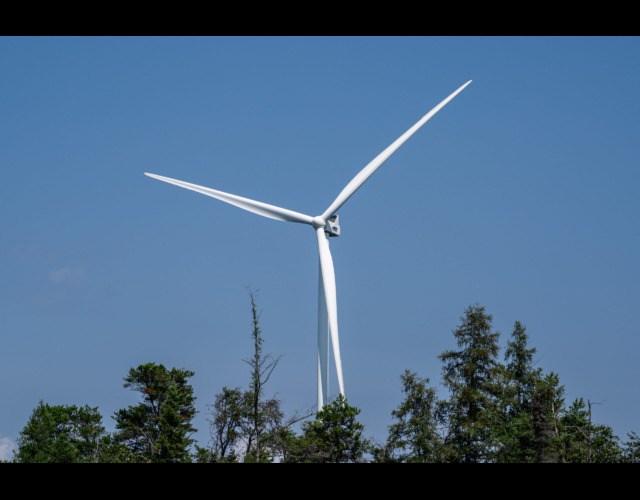
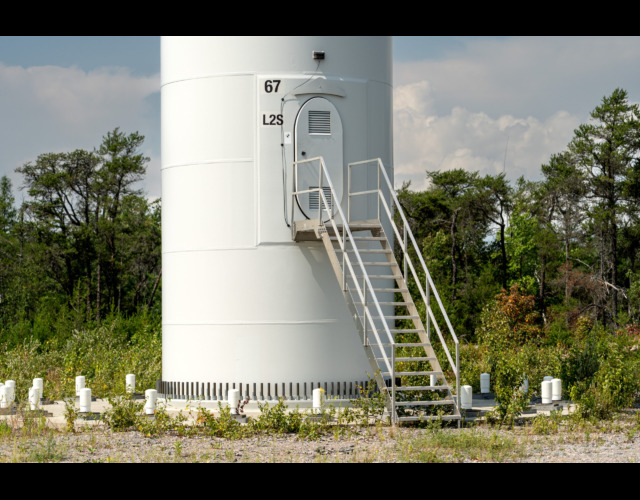
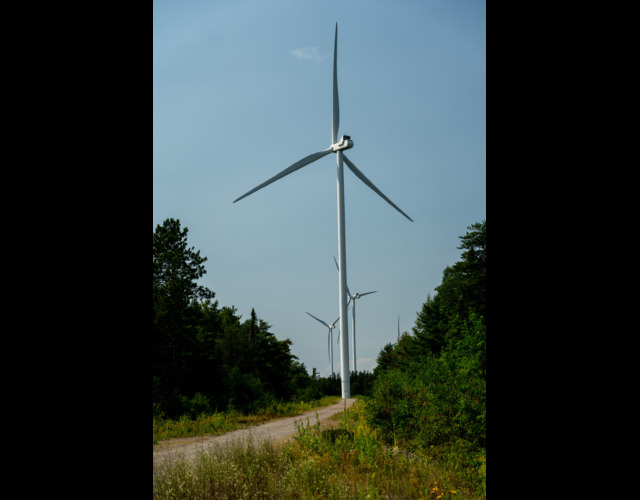
Henvey Inlet Wind Energy Centre, Ontario — A 300 MW, 87-turbine wind project on Henvey Inlet First Nation reserve lands near Georgian Bay. Commissioned in 2019, the project is jointly owned by Henvey Inlet First Nation, through Nigig Power Corporation, and Pattern Energy. It includes a roughly 100 km transmission line connecting the project to Ontario’s electricity grid. Henvey Inlet was developed under a First Nation-led environmental stewardship regime, with extensive monitoring of local species and habitats. The project provides long-term revenue, ownership and economic benefits to the community and is Canada’s largest First Nation wind energy partnership.
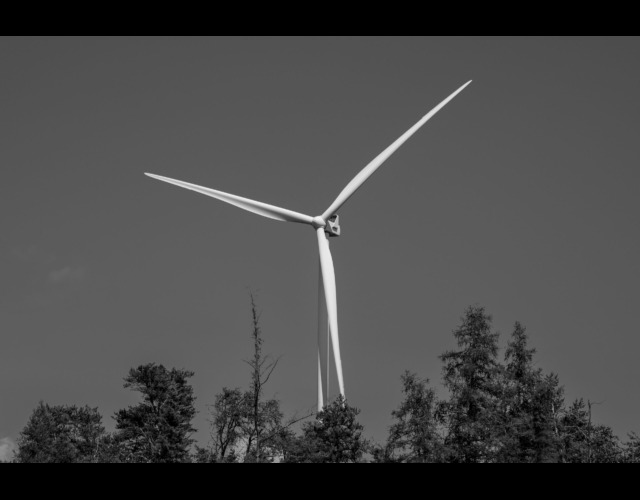
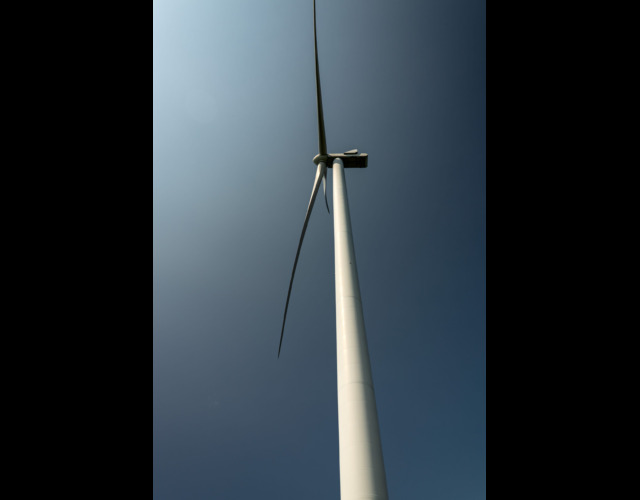
Henvey Inlet Wind Energy Centre, Ontario — A 300 MW, 87-turbine wind project on Henvey Inlet First Nation reserve lands near Georgian Bay. Commissioned in 2019, the project is jointly owned by Henvey Inlet First Nation, through Nigig Power Corporation, and Pattern Energy. It includes a roughly 100 km transmission line connecting the project to Ontario’s electricity grid. Henvey Inlet was developed under a First Nation-led environmental stewardship regime, with extensive monitoring of local species and habitats. The project provides long-term revenue, ownership and economic benefits to the community and is Canada’s largest First Nation wind energy partnership.
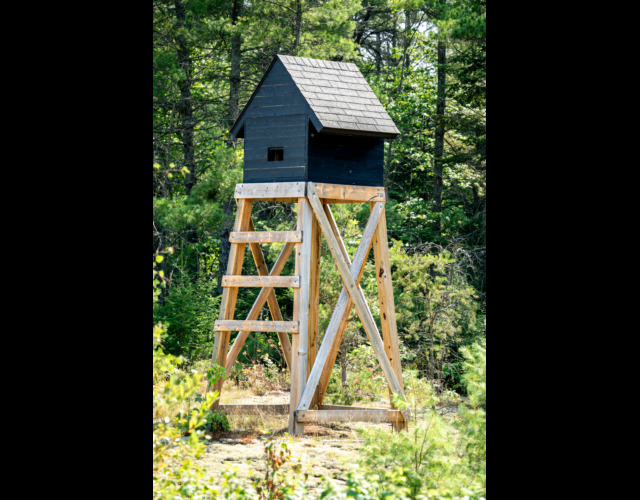
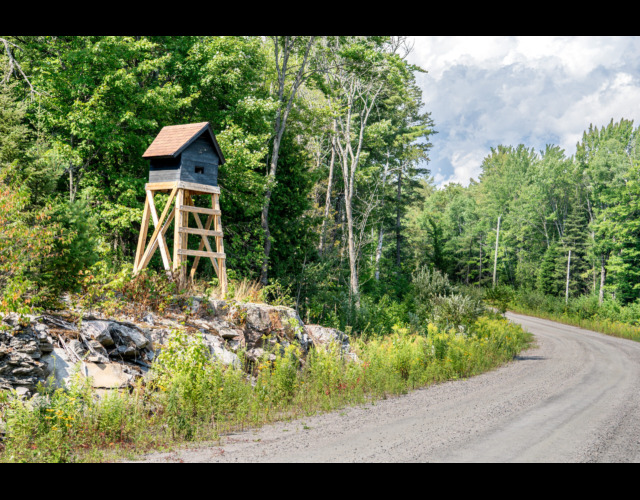
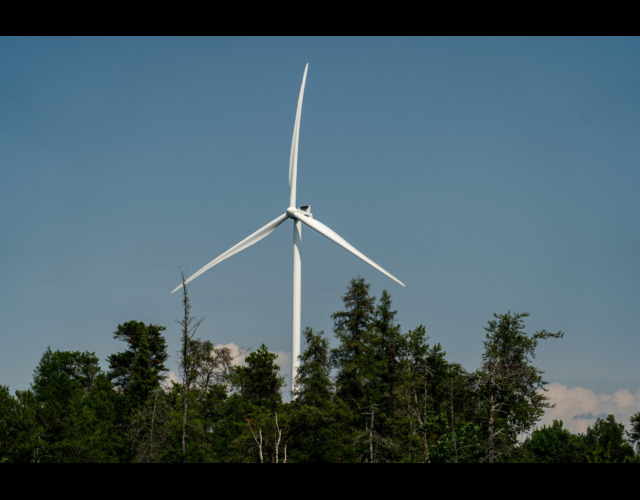
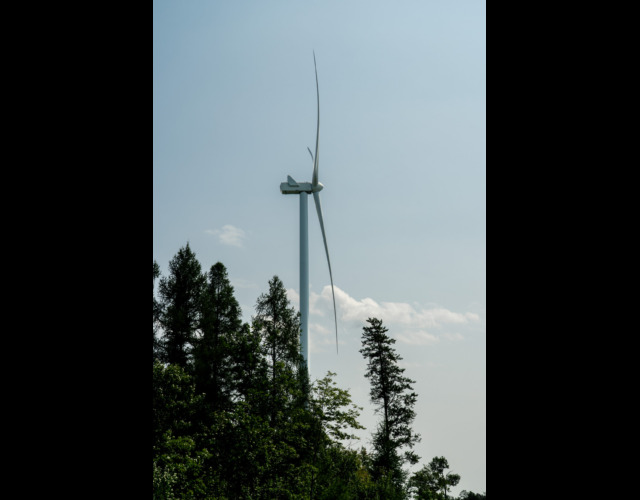
Henvey Inlet Wind Energy Centre, Ontario — A 300 MW, 87-turbine wind project on Henvey Inlet First Nation reserve lands near Georgian Bay. Commissioned in 2019, the project is jointly owned by Henvey Inlet First Nation, through Nigig Power Corporation, and Pattern Energy. Henvey Inlet was developed under a First Nation-led environmental stewardship regime, with extensive monitoring of local species and habitats. This includes bat roosts built around the wind project The project provides long-term revenue, ownership and economic benefits to the community and is Canada’s largest First Nation wind energy partnership.
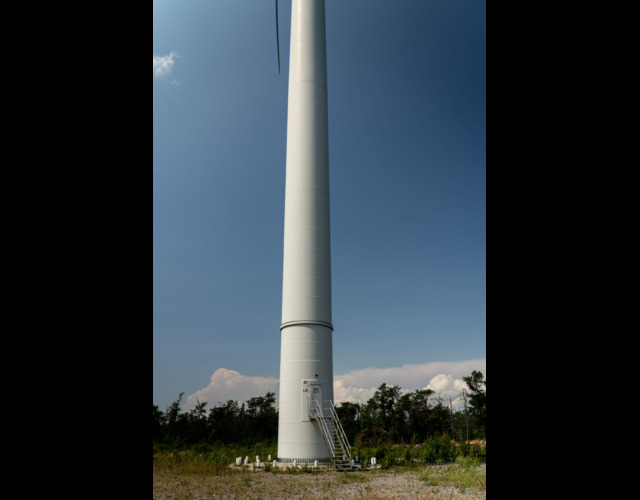
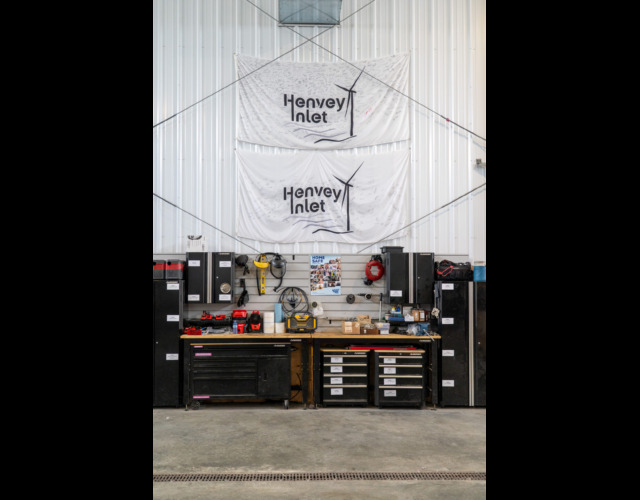
Henvey Inlet Wind Energy Centre, Ontario — A 300 MW, 87-turbine wind project on Henvey Inlet First Nation reserve lands near Georgian Bay. Commissioned in 2019, the project is jointly owned by Henvey Inlet First Nation, through Nigig Power Corporation, and Pattern Energy. It includes a roughly 100 km transmission line connecting the project to Ontario’s electricity grid. Henvey Inlet was developed under a First Nation-led environmental stewardship regime, with extensive monitoring of local species and habitats. The project provides long-term revenue, ownership and economic benefits to the community and is Canada’s largest First Nation wind energy partnership.
Henvey Inlet Wind Energy Centre, Ontario — A 300 MW, 87-turbine wind project on Henvey Inlet First Nation reserve lands near Georgian Bay. Commissioned in 2019, the project is jointly owned by Henvey Inlet First Nation, through Nigig Power Corporation, and Pattern Energy. It includes a roughly 100 km transmission line connecting the project to Ontario’s electricity grid. Henvey Inlet was developed under a First Nation-led environmental stewardship regime, with extensive monitoring of local species and habitats. The project provides long-term revenue, ownership and economic benefits to the community and is Canada’s largest First Nation wind energy partnership.
Henvey Inlet Wind Energy Centre, Ontario — A 300 MW, 87-turbine wind project on Henvey Inlet First Nation reserve lands near Georgian Bay. Commissioned in 2019, the project is jointly owned by Henvey Inlet First Nation, through Nigig Power Corporation, and Pattern Energy. It includes a roughly 100 km transmission line connecting the project to Ontario’s electricity grid. Henvey Inlet was developed under a First Nation-led environmental stewardship regime, with extensive monitoring of local species and habitats. The project provides long-term revenue, ownership and economic benefits to the community and is Canada’s largest First Nation wind energy partnership.
Henvey Inlet Wind Energy Centre, Ontario — A 300 MW, 87-turbine wind project on Henvey Inlet First Nation reserve lands near Georgian Bay. Commissioned in 2019, the project is jointly owned by Henvey Inlet First Nation, through Nigig Power Corporation, and Pattern Energy. It includes a roughly 100 km transmission line connecting the project to Ontario’s electricity grid. Henvey Inlet was developed under a First Nation-led environmental stewardship regime, with extensive monitoring of local species and habitats. The project provides long-term revenue, ownership and economic benefits to the community and is Canada’s largest First Nation wind energy partnership.
Henvey Inlet Wind Energy Centre, Ontario — A 300 MW, 87-turbine wind project on Henvey Inlet First Nation reserve lands near Georgian Bay. Commissioned in 2019, the project is jointly owned by Henvey Inlet First Nation, through Nigig Power Corporation, and Pattern Energy. It includes a roughly 100 km transmission line connecting the project to Ontario’s electricity grid. Henvey Inlet was developed under a First Nation-led environmental stewardship regime, with extensive monitoring of local species and habitats. The project provides long-term revenue, ownership and economic benefits to the community and is Canada’s largest First Nation wind energy partnership.
Henvey Inlet Wind Energy Centre, Ontario — A 300 MW, 87-turbine wind project on Henvey Inlet First Nation reserve lands near Georgian Bay. Commissioned in 2019, the project is jointly owned by Henvey Inlet First Nation, through Nigig Power Corporation, and Pattern Energy. It includes a roughly 100 km transmission line connecting the project to Ontario’s electricity grid. Henvey Inlet was developed under a First Nation-led environmental stewardship regime, with extensive monitoring of local species and habitats. The project provides long-term revenue, ownership and economic benefits to the community and is Canada’s largest First Nation wind energy partnership.
Henvey Inlet Wind Energy Centre, Ontario — A 300 MW, 87-turbine wind project on Henvey Inlet First Nation reserve lands near Georgian Bay. Commissioned in 2019, the project is jointly owned by Henvey Inlet First Nation, through Nigig Power Corporation, and Pattern Energy. It includes a roughly 100 km transmission line connecting the project to Ontario’s electricity grid. Henvey Inlet was developed under a First Nation-led environmental stewardship regime, with extensive monitoring of local species and habitats. The project provides long-term revenue, ownership and economic benefits to the community and is Canada’s largest First Nation wind energy partnership.
Henvey Inlet Wind Energy Centre, Ontario — A 300 MW, 87-turbine wind project on Henvey Inlet First Nation reserve lands near Georgian Bay. Commissioned in 2019, the project is jointly owned by Henvey Inlet First Nation, through Nigig Power Corporation, and Pattern Energy. It includes a roughly 100 km transmission line connecting the project to Ontario’s electricity grid. Henvey Inlet was developed under a First Nation-led environmental stewardship regime, with extensive monitoring of local species and habitats. The project provides long-term revenue, ownership and economic benefits to the community and is Canada’s largest First Nation wind energy partnership.
Henvey Inlet Wind Energy Centre, Ontario — A 300 MW, 87-turbine wind project on Henvey Inlet First Nation reserve lands near Georgian Bay. Commissioned in 2019, the project is jointly owned by Henvey Inlet First Nation, through Nigig Power Corporation, and Pattern Energy. It includes a roughly 100 km transmission line connecting the project to Ontario’s electricity grid. Henvey Inlet was developed under a First Nation-led environmental stewardship regime, with extensive monitoring of local species and habitats. The project provides long-term revenue, ownership and economic benefits to the community and is Canada’s largest First Nation wind energy partnership.
Building a $635 million legacy for future generations
Henvey Inlet First Nation has also created a Windfarm Legacy Trust designed to provide benefits today while building wealth for future generations. Wind-farm income and surplus rent, which amounted to near $25 million in 2024/25, flow to the Nation. That year the Nation contributed $16 million to the Trust. The original framework established monthly member payments of $500 for adults, $600 for seniors and $100 for minors, while also building an investment portfolio for future generations.
The long-term goal is an investment portfolio of at least $635 million by 2039, when the original electricity contract expires. This would be equivalent to roughly $460,000 per member by 2039, the Nation estimates a population of near 1,400 people by that year. For perspective, Alberta’s Heritage Fund currently holds $31.9 billion, or roughly $6,300 per Albertan. The objective is for investment income to help sustain member payments, infrastructure and community services after the initial wind farm payments decline or end.
The Details
300 MW
Capacity
2019
Year commissioned
$1 billion
Total investment
50%
Henvey Inlet First Nation Equity Stake
128
Bat roosts
100,000
Equivalent Ontario Homes Powered
Developing the project required a lot of firsts
The partnership simplified some aspects of development, but it did not make the project easy. Henvey Inlet First Nation developed its own Environmental Stewardship Regime, covering environmental assessment, permitting and enforcement. Pattern describes Henvey Inlet Wind as the first project developed under such a regime.
Moreover, because the project is located on reserve lands, federal Species at Risk Act protections also apply directly, requiring the project to comply with both the Nation’s Environmental Stewardship Regime and federal species-at-risk requirements, an industry first in Canada. The Henvey Inlet lands contain suitable habitat for 13 species at risk, adding another layer of complexity to operations and development. The mandatory ecology training I completed before entering the site and its low-speed limits are examples of the measures used to mitigate those impacts. The project also uses smart curtailment, for example, adjusting turbine operations according to wind speed, date and time of night to reduce risks to bats.
Permitting the transmission line to connect the project also proved a challenge. While the turbines are all on Henvey Inlet land, the 104-km transmission line affected 75 privately owned properties, 46 municipally owned properties and properties involving six agencies and utilities. The line also crossed reserve lands belonging to the Magnetewan and Shawanaga First Nations requiring additional land and environmental approvals and agreements that provide ongoing land rents to the Nations.
A model becoming more common
Henvey Inlet is an early example of a broader shift in renewable power development across Canada. In 2025, more than 70% of new grid-connected renewable energy and storage projects were built with some level of Indigenous ownership or involvement, according to the Canadian Renewable Energy Association. Renewable procurement programs are also increasingly valuing indigenous partnerships. In Ontario’s 2026 renewable procurement for instance, all 14 selected projects included at least 50% Indigenous equity ownership; British Columbia’s 2024 and 2025 power calls required at least 25% First Nations equity.
The model could extend beyond electricity. Natural Resources Canada identifies 132 planned or proposed mining-related projects worth $122.6 billion through 2035, while noting that most critical-mineral deposits and enabling infrastructure are located on Indigenous territories.
Henvey Inlet offers a lesson for that wider clean energy build-out, when interests and values align, partnership can create lasting benefits for Indigenous communities while also making projects stronger for developers.
Note: My August 10 tour and interview were conducted with Pattern Energy. I have fact-checked the article against public records, including Henvey Inlet First Nation documents and published comments from Chief Wayne McQuabbie, but I was unable to interview Henvey Inlet First Nation directly for this story.