I’ve made it across the country, reaching St. John’s, Newfoundland, after visiting nearly 50 clean energy sites since leaving Vancouver in May. Along the way, I’ve had the chance to put Canada’s electric highway through a fairly demanding test, relying on it day after day across thousands of kilometres.
In short, Canada’s electric highway works and it is affordable. That conclusion is all the more encouraging given the nature of the journey: few EV drivers will drive from Vancouver to Newfoundland or rely almost exclusively on public fast charging for months at a time.
At the same time, those unusually demanding conditions exposed the network’s weak points. Juggling multiple apps, dealing with buggy mapping software and, at times, relying on a single available charging station added unnecessary frustration and anxiety to the trip. For everyday EV drivers charging mostly at home and travelling within a familiar region, many of these problems would be far less noticeable.
So, after several months and thousands of kilometres on the road, here are the great parts, the gripes and a few surprises from the journey.
The great – the Canadian road trip is now electrified
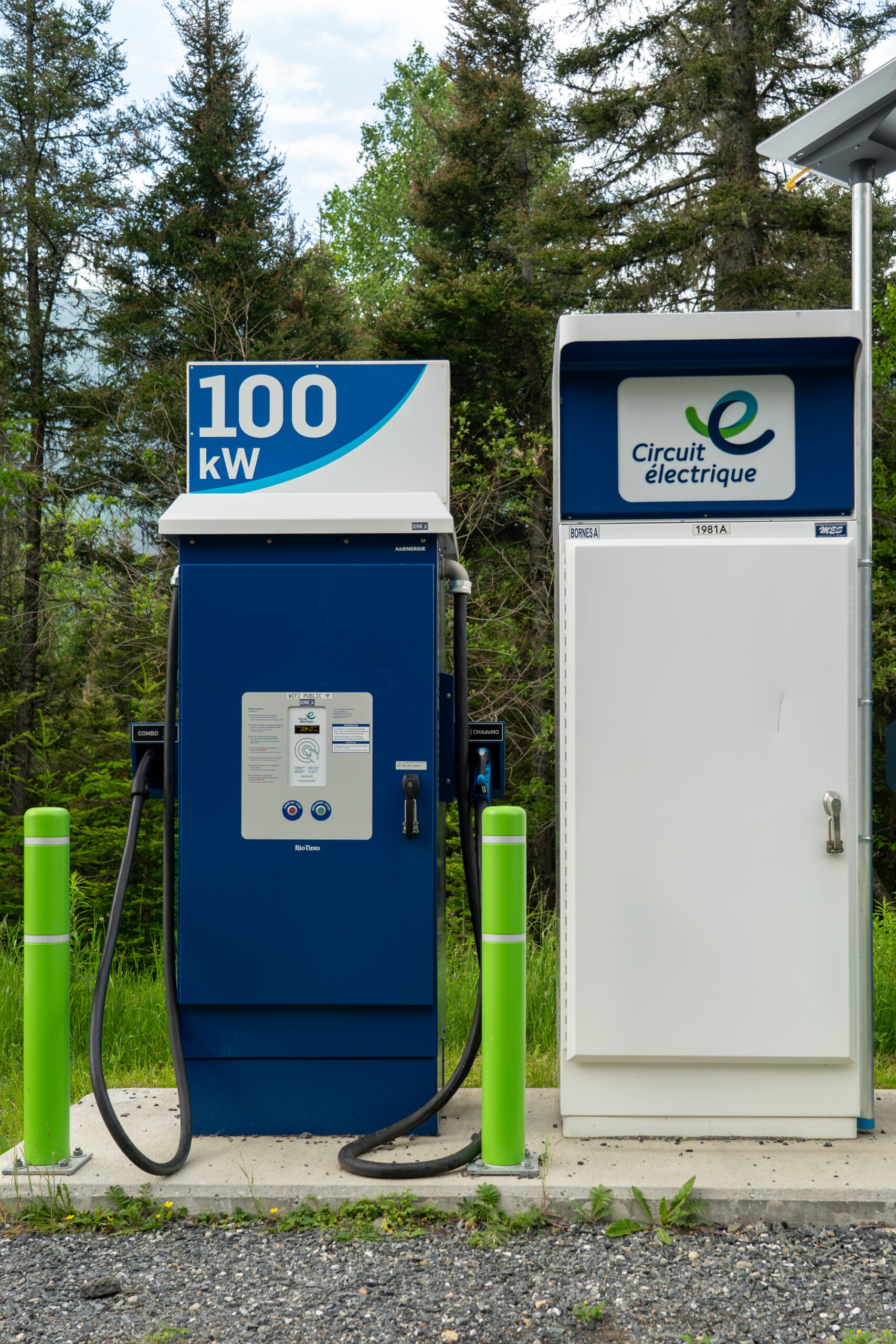
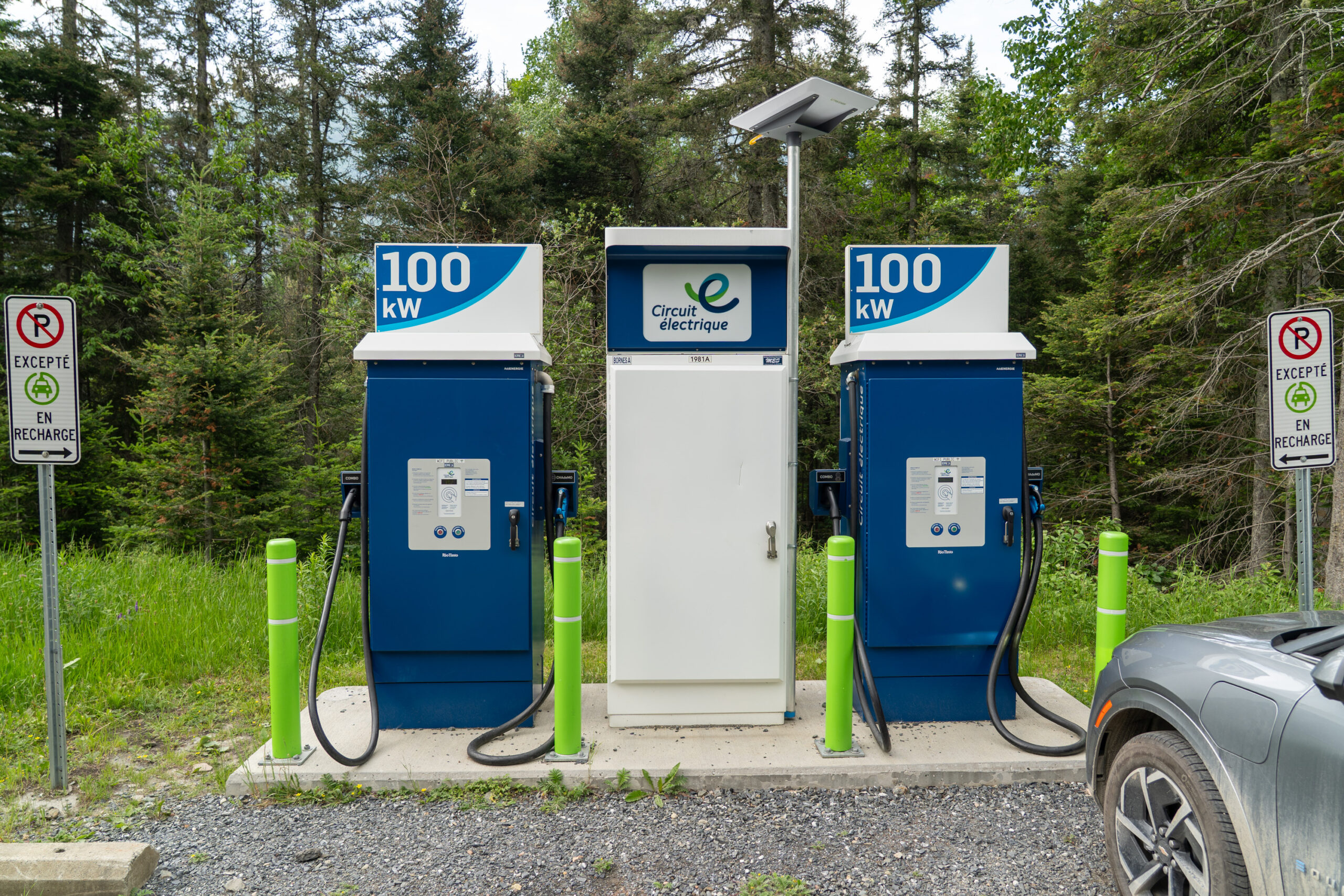
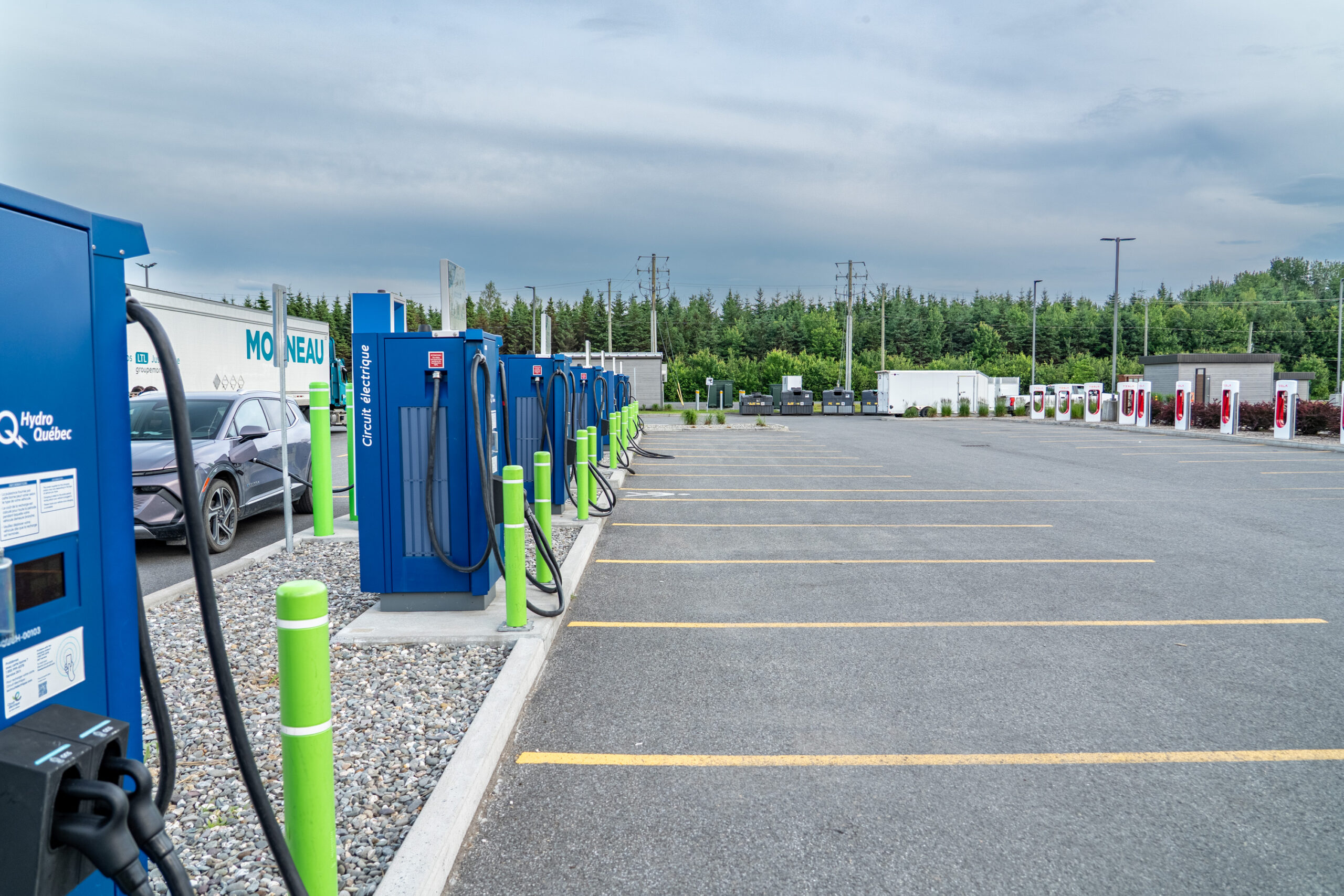
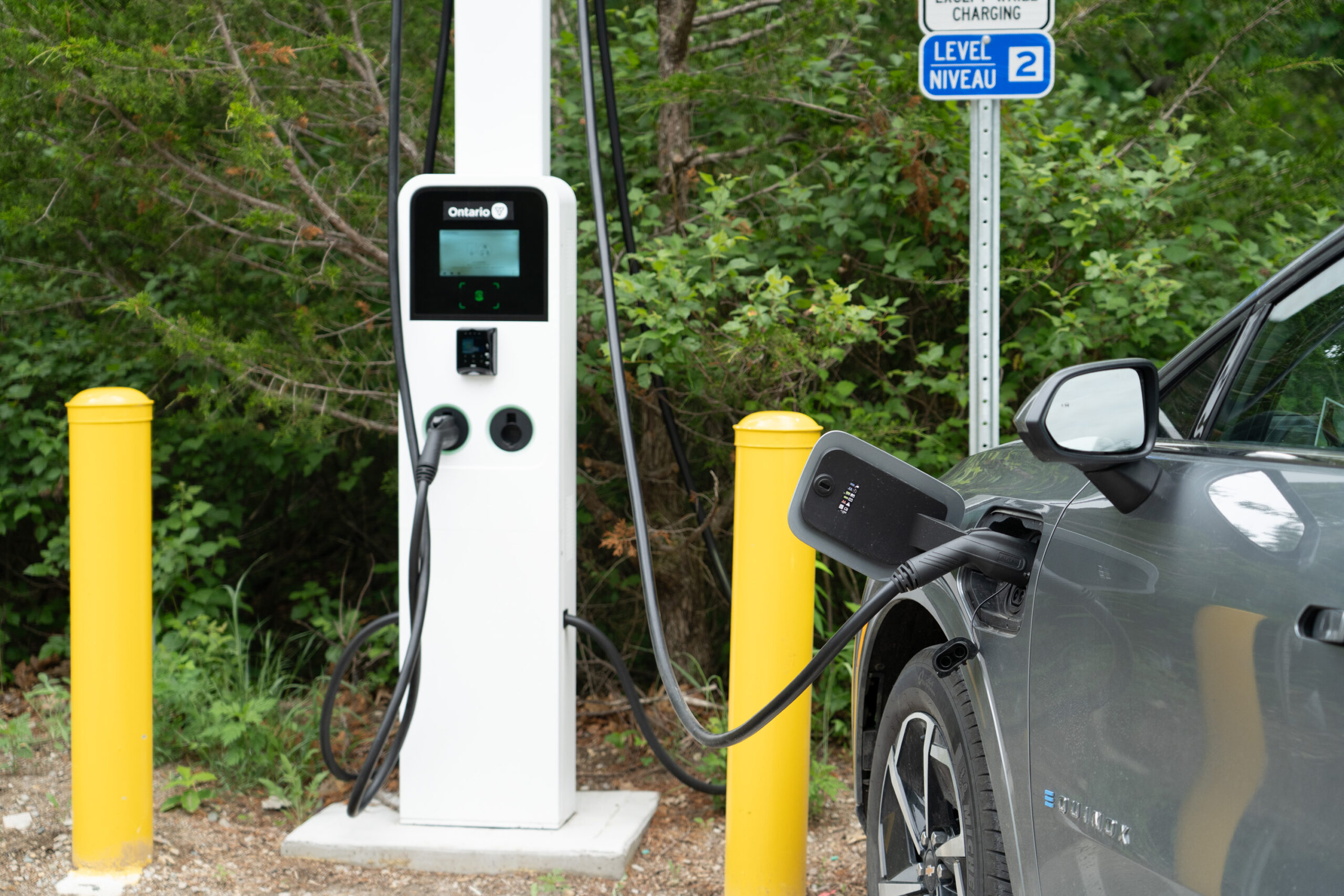
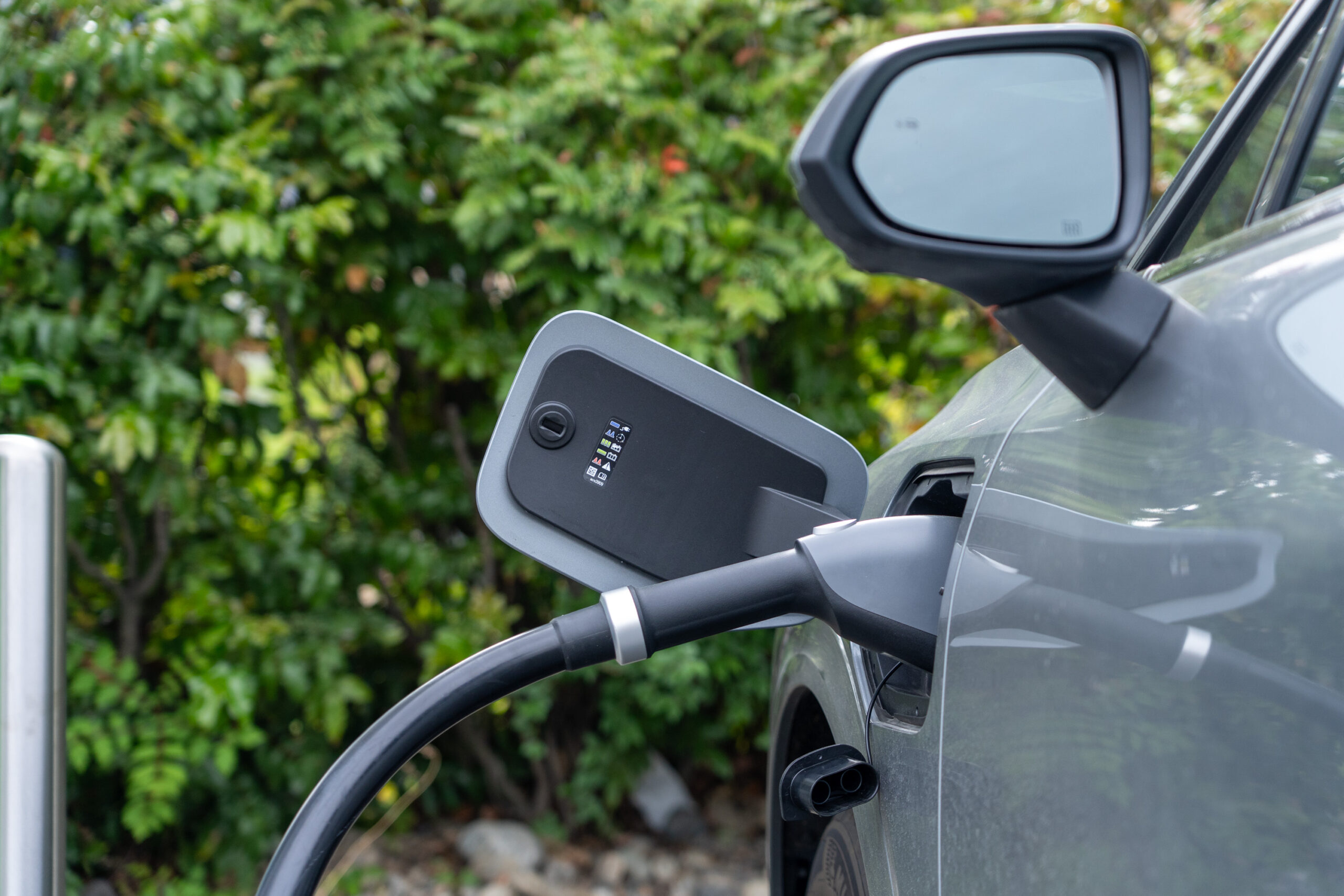
The biggest takeaway is simple: Canada has built a national EV charging network. Or, more accurately, a collection of interconnected networks that together allow someone to drive an electric vehicle across the country.
Moreover this drive can be done much as one would drive a gasoline vehicle.
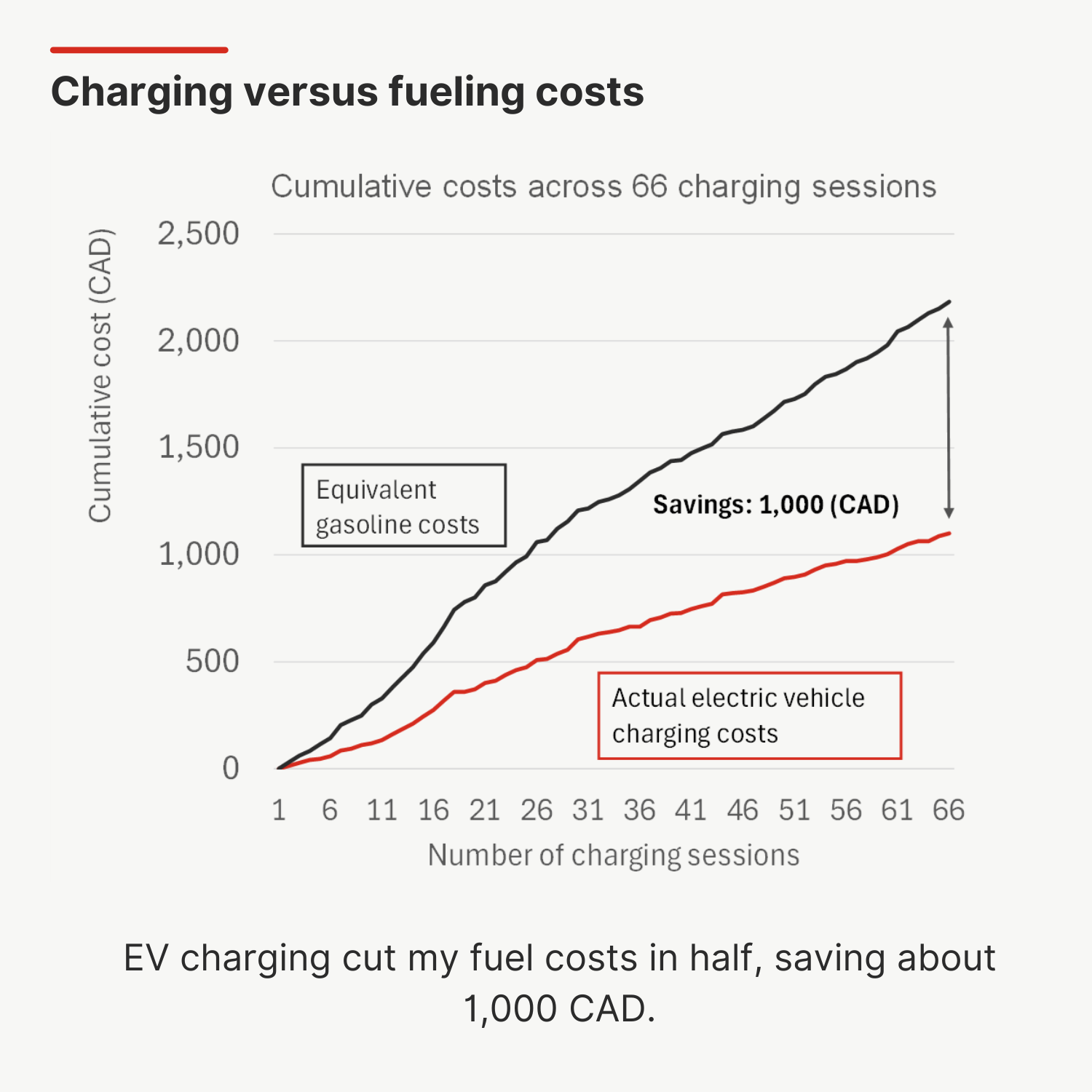
And it has been cheaper. So far, I have saved roughly $1,000 in fuel costs compared with making the same trip in an equivalent gasoline vehicle (see assumptions at the end for the analytically inclined).
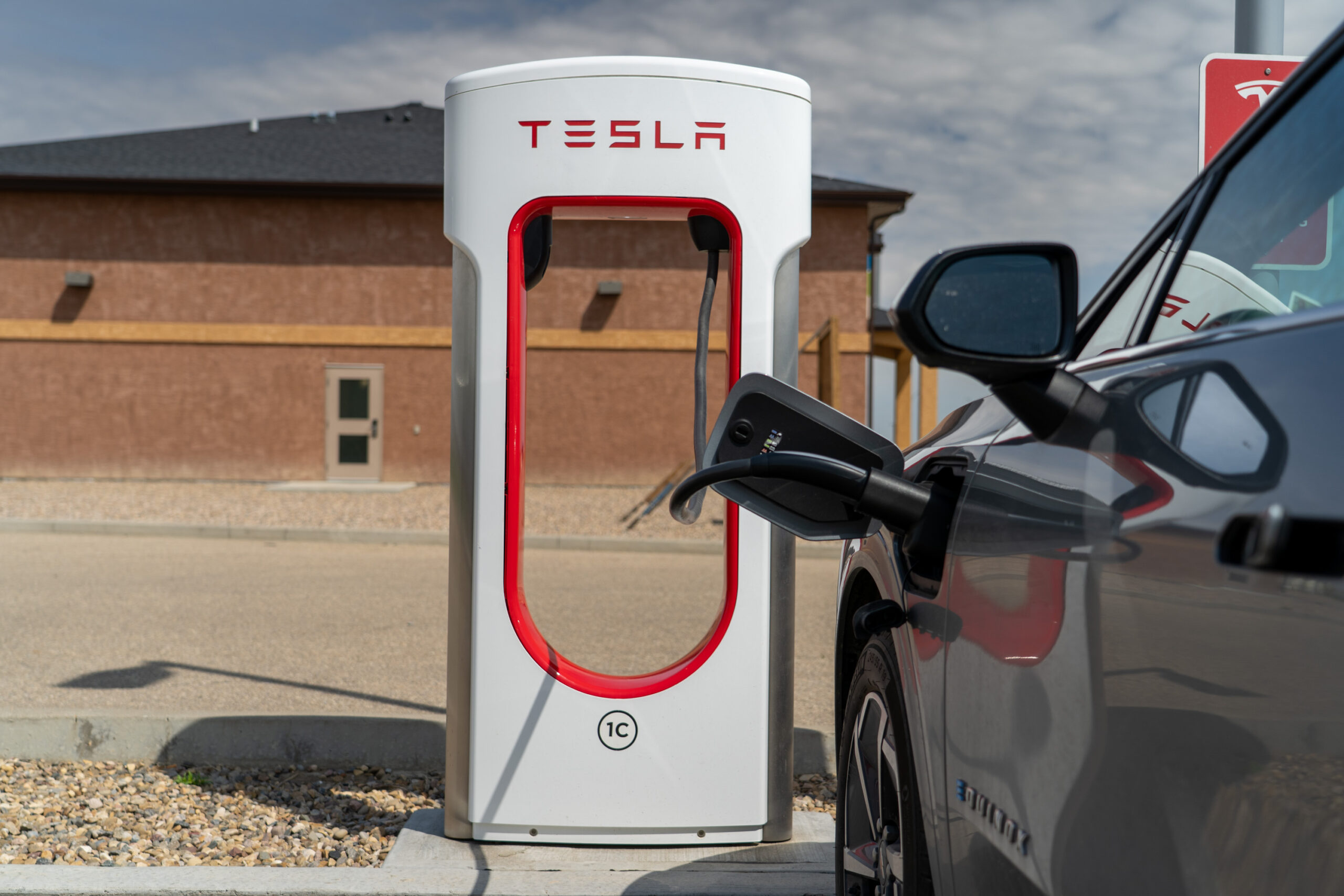
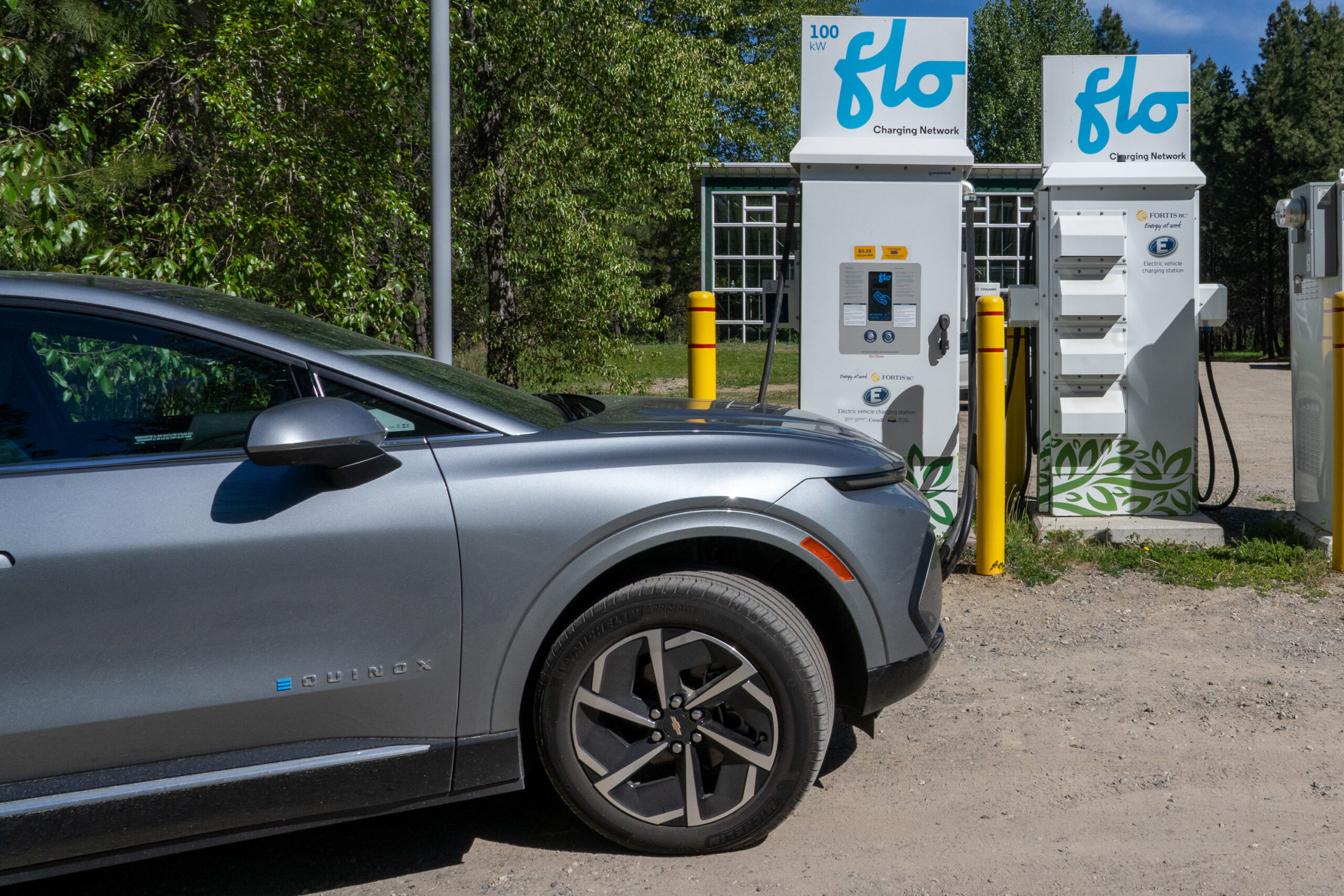
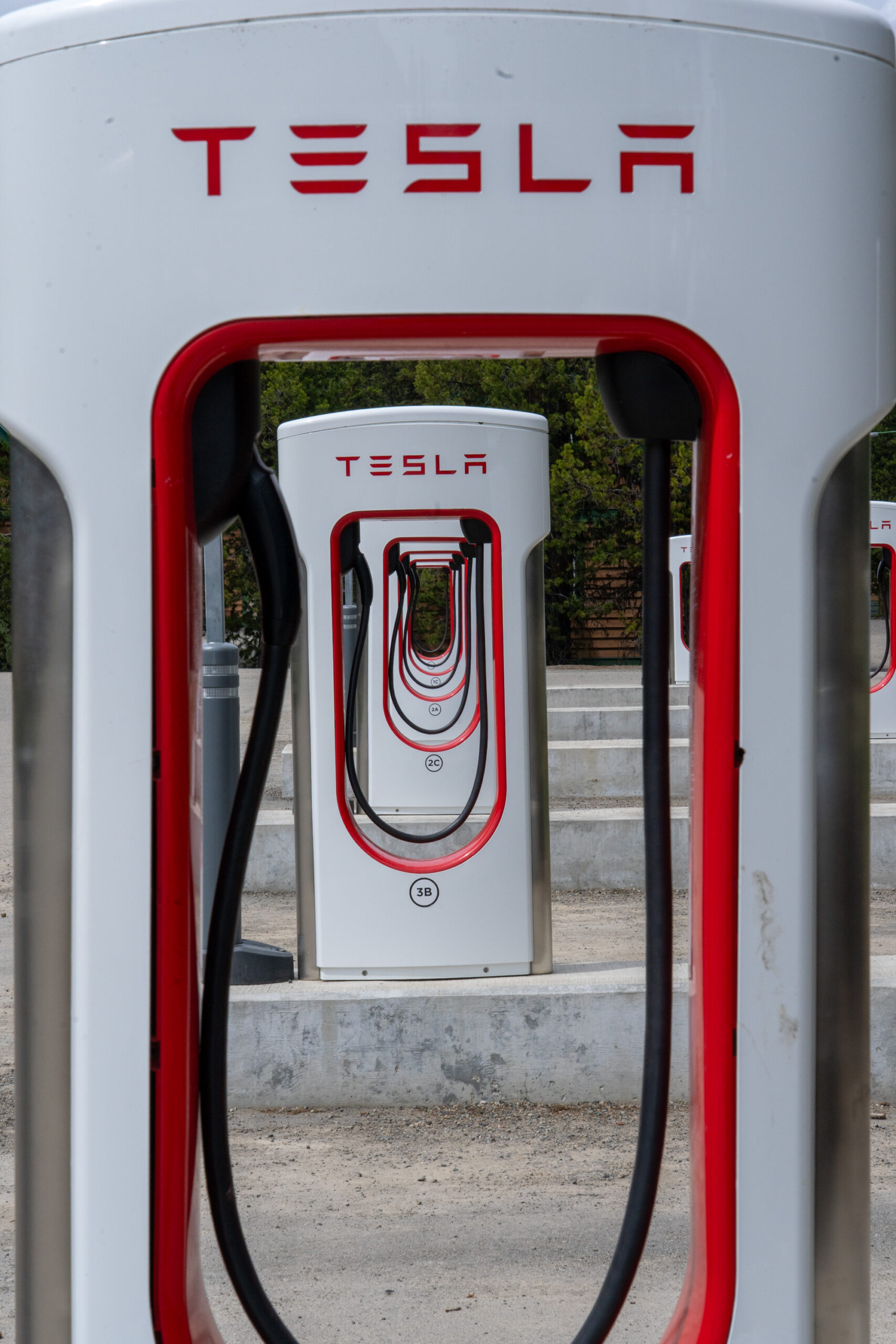
The charging infrastructure is also increasingly accessible across major EV brands. Five years ago, a cross-country drive like this would still have been difficult for many non-Tesla drivers. Ten years ago, it would have required extensive planning, many stops for overnight charging and a willingness to travel with very limited vehicle and charging options.
That is a significant infrastructure achievement.
Canada has, in effect, electrified the great Canadian road trip. From conversations along the way, few non-EV drivers are aware of this.
The gripes – more efforts needed on user experience
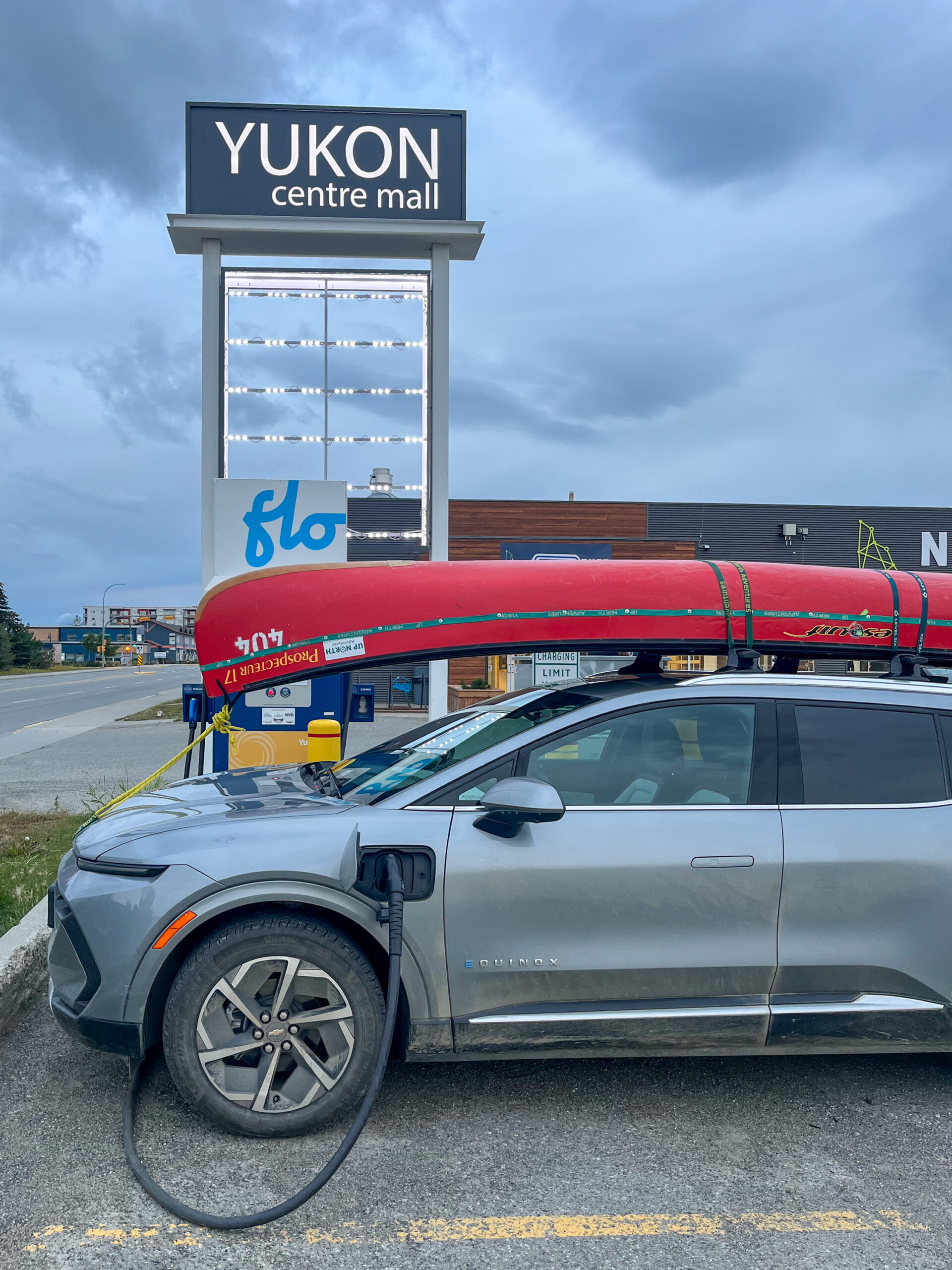
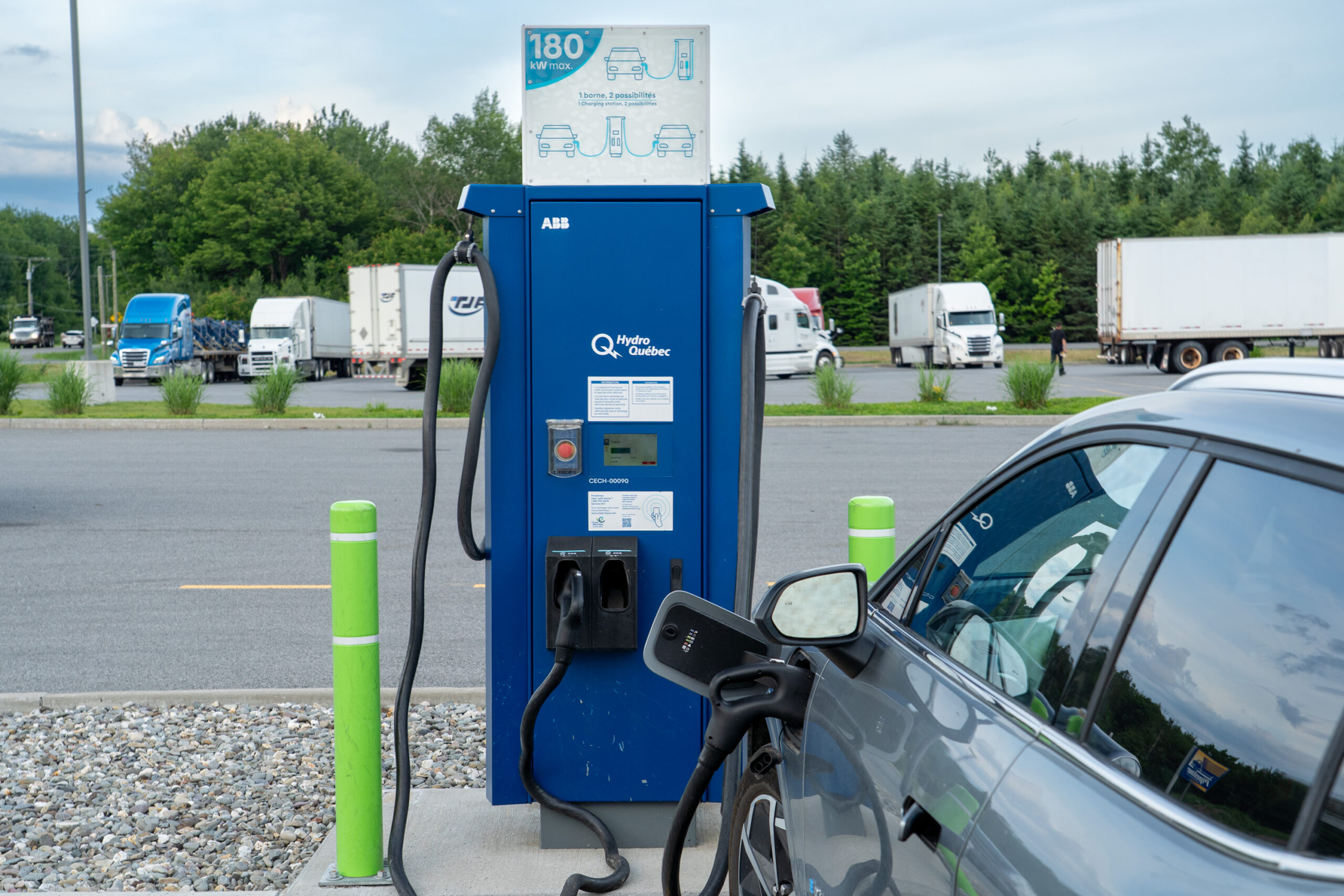
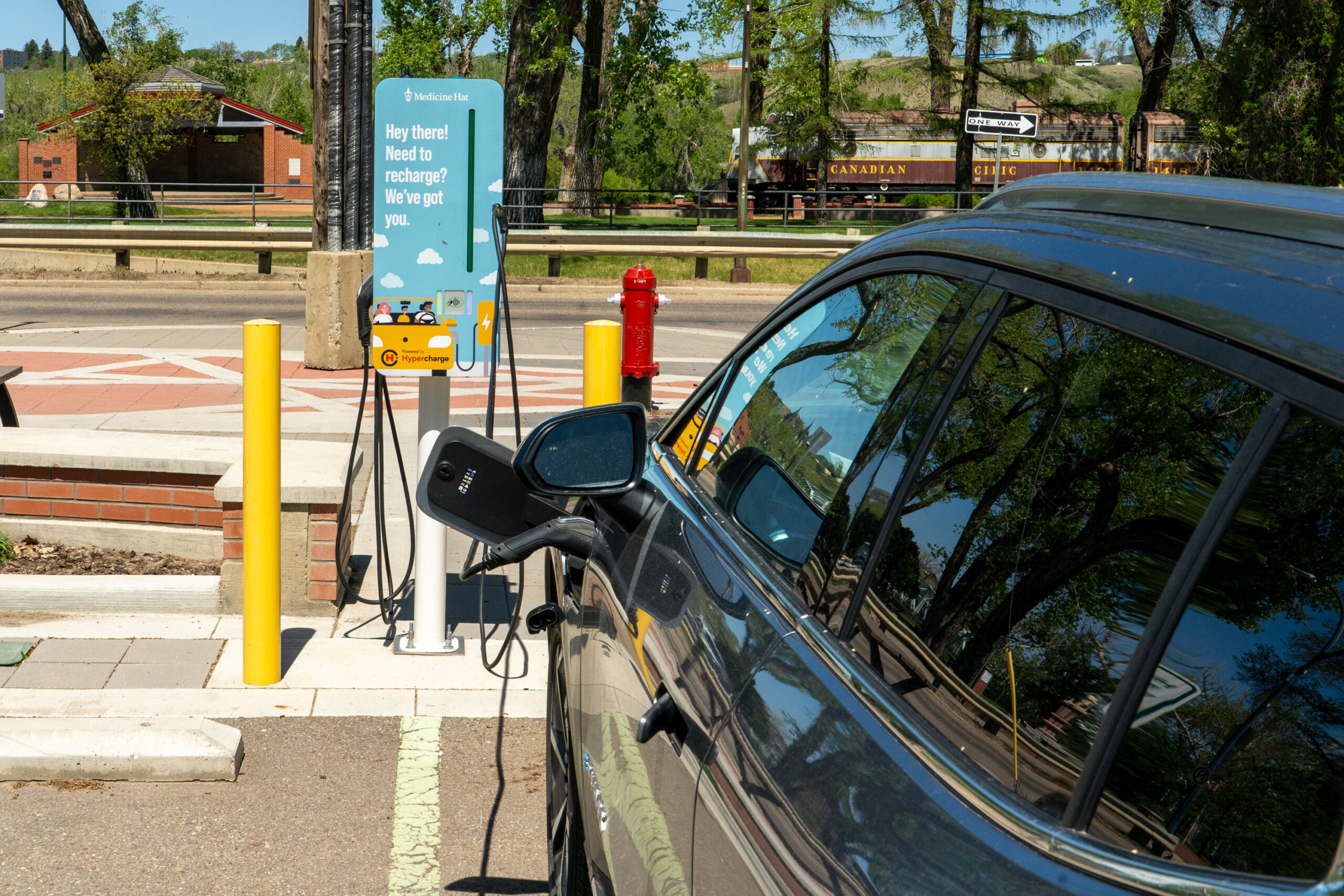
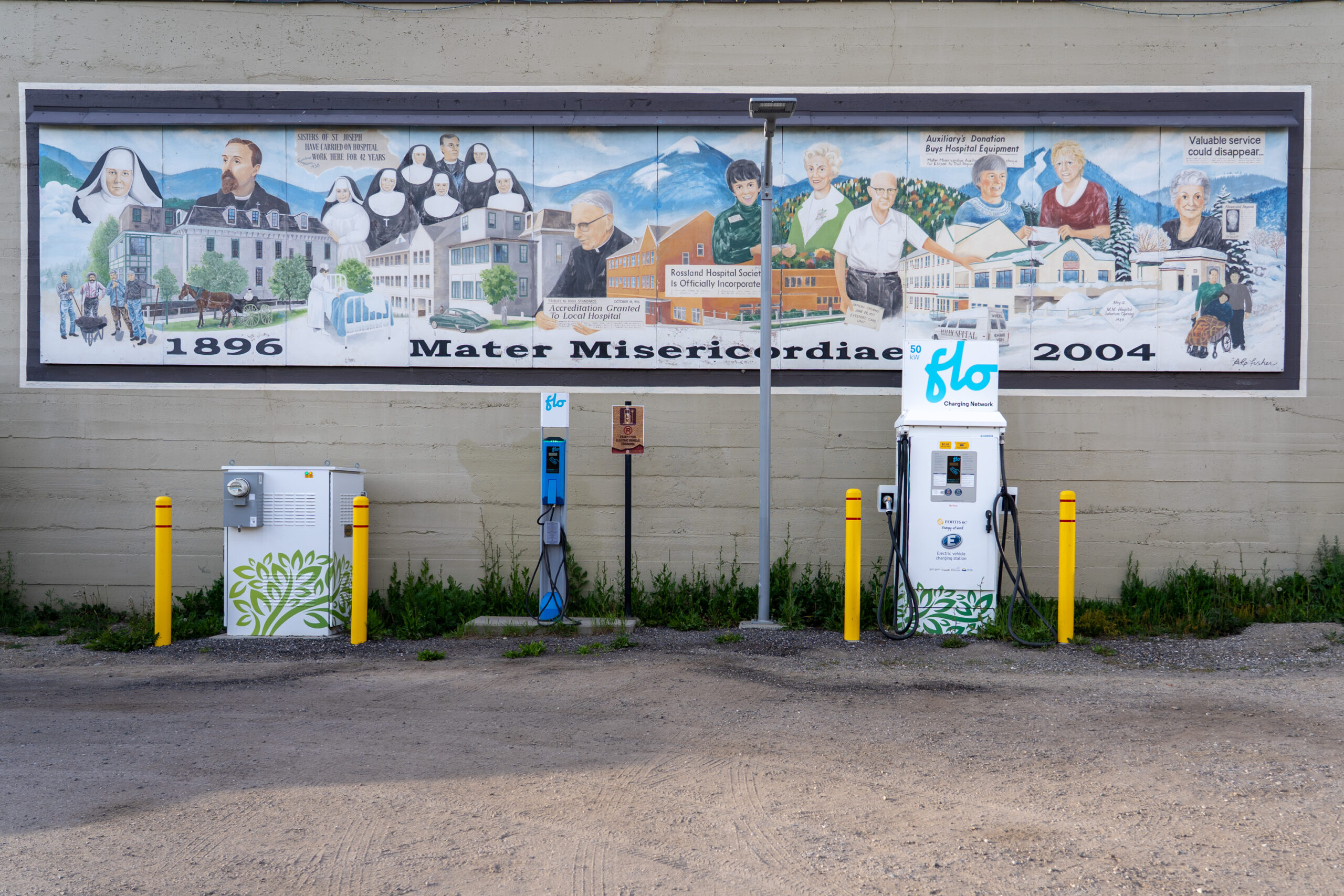
The biggest frustration has been fragmentation. In practice, I have used roughly a dozen charging apps, each with its own account, payment system, stored balance and occasional connectivity issue.
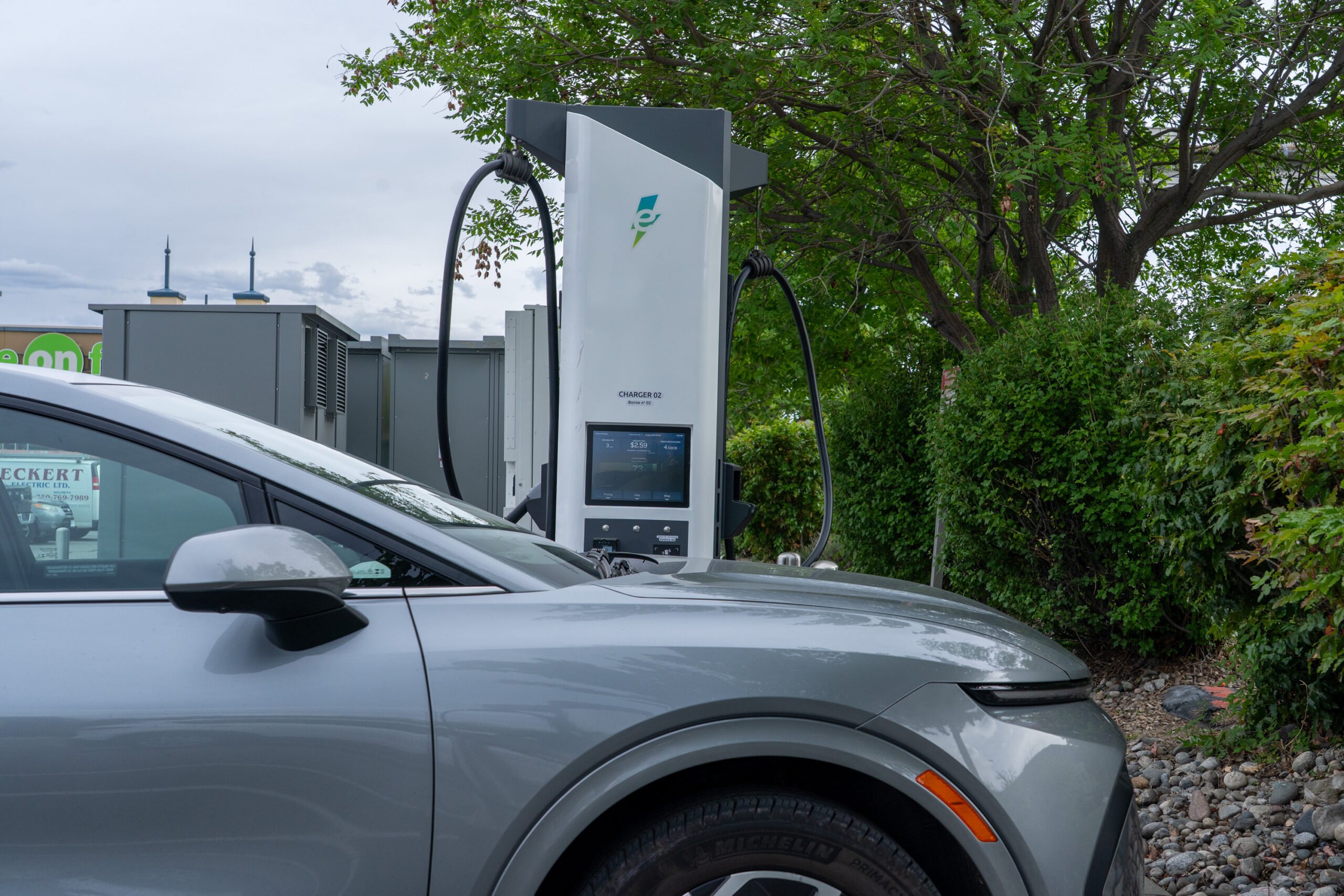
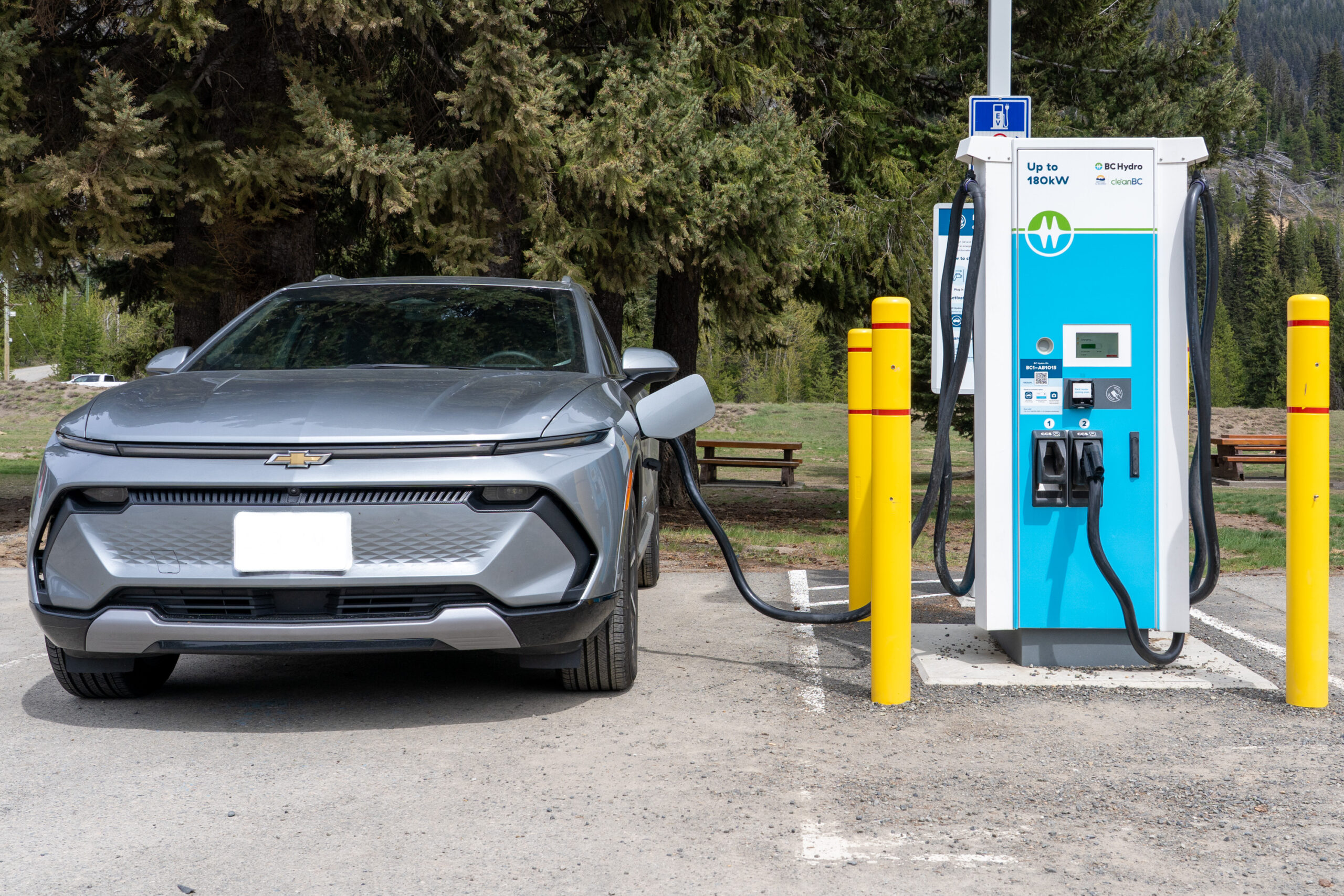
Some automakers are beginning to simplify this. Chevrolet, for example, is working to integrate more than 36 charging networks into a single payment platform. But for now, the experience remains far more complicated than pulling into a gas station and tapping a credit card.
Finding chargers can also require switching between Google Maps, PlugShare, A Better Routeplanner and individual charging-network apps. In some respects, this reflects a positive problem since new chargers are being installed quickly enough that mapping platforms do not always keep pace.
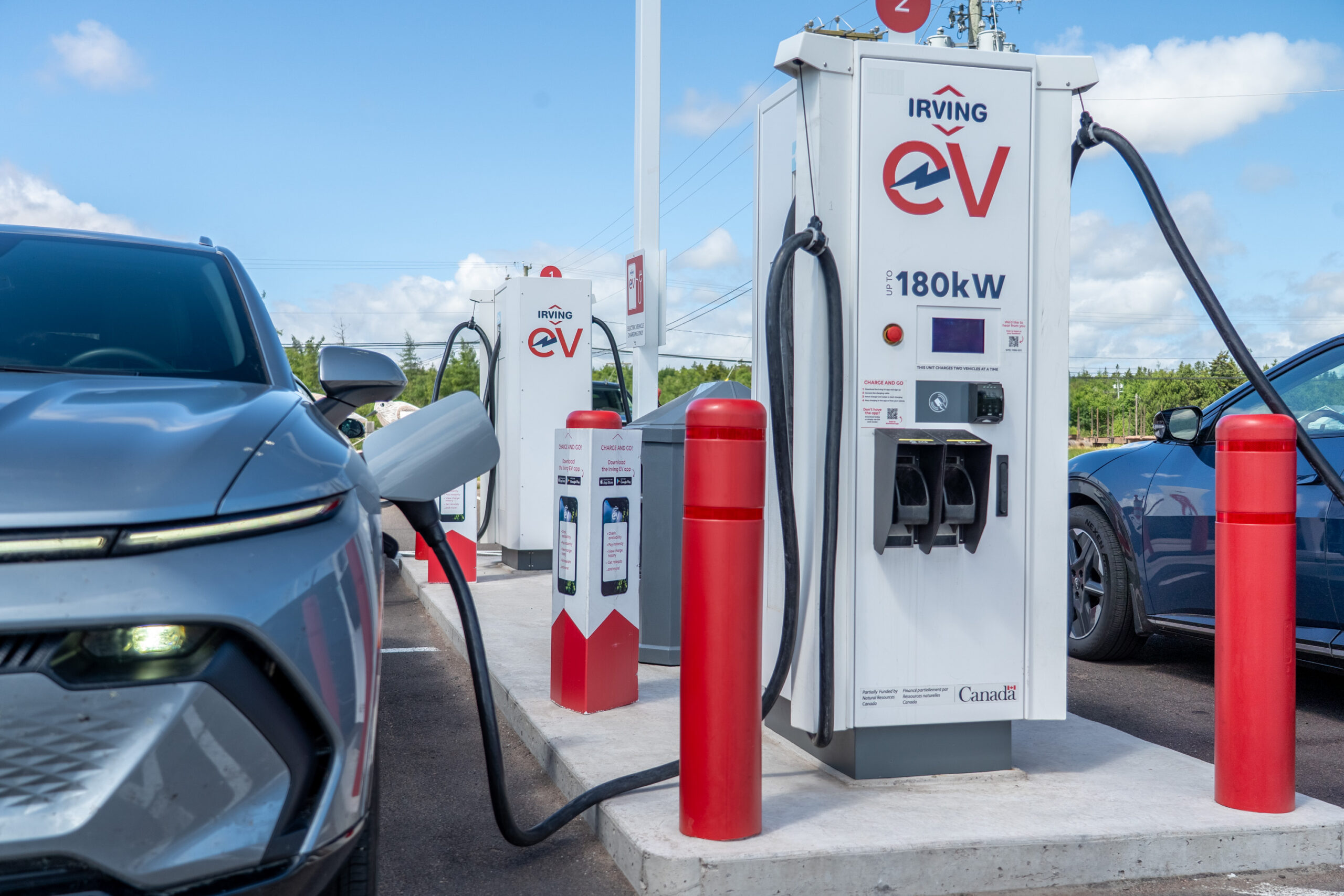
I rarely experienced genuine range anxiety. But when a long stretch of highway depended on a single slower charger, I behaved differently. I charged more than I really needed, allowed an extra contingency time and identified backup options before leaving. That is a lot of extra thinking and preparation than would be necessary with a gasoline powered car.
The presence of several chargers at a location, or another station nearby, makes a remarkable difference to the confidence of the trip.
The Details
2025 Chevy Equinox EV
513 km
150 kW
~12,000 km
~70
~1,000
The surprises – charging at parks and campgrounds
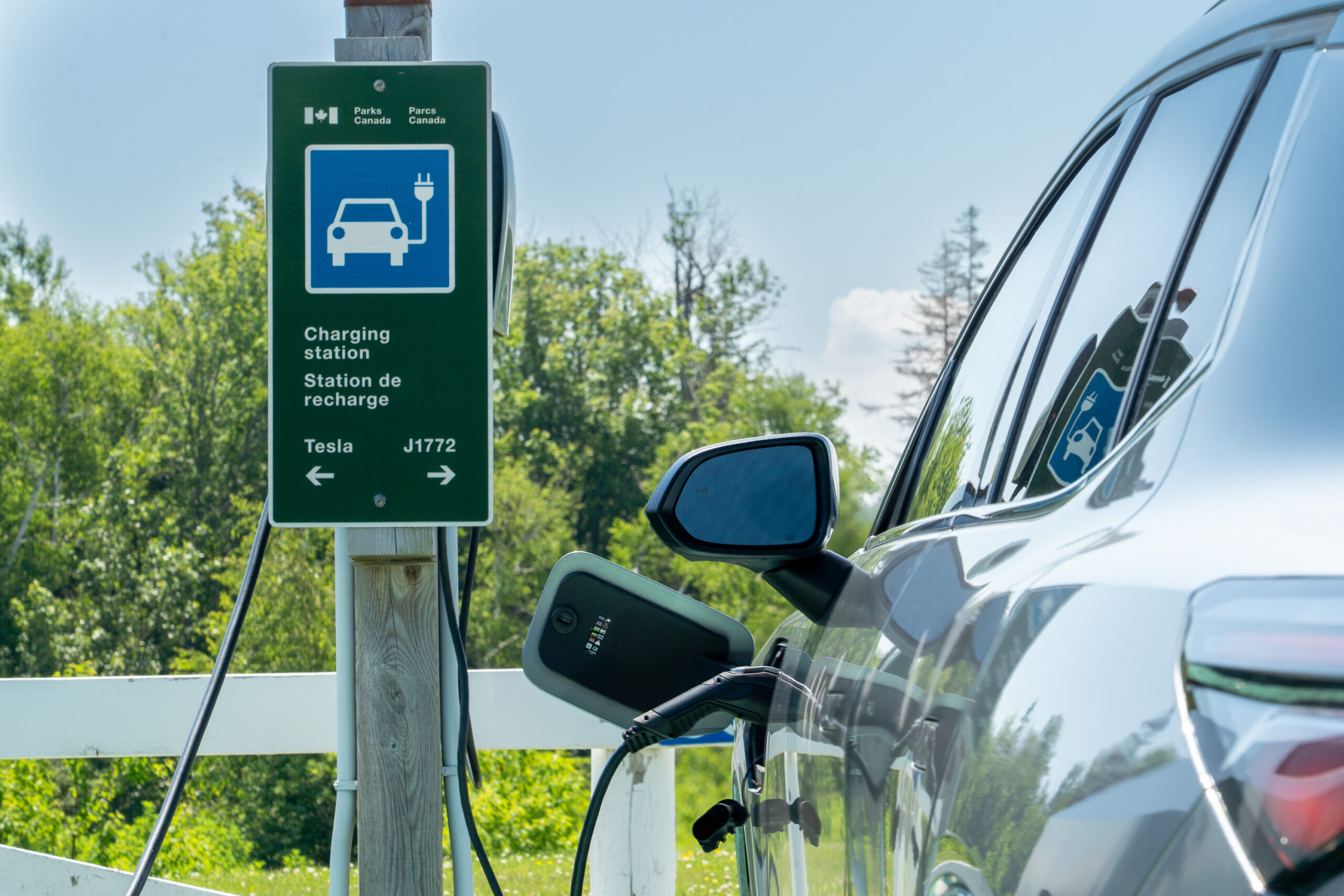
Parks Canada and several provincial park systems have been among the unexpected highlights.
Many parks provide charging in relatively remote locations, sometimes free of charge, allowing visitors to recharge while exploring some of the most beautiful parts of the country. At Park’s Canada this was part of a 2019 commitment to have charging at or near 25 parks by 2021 and 50 by 2025. The 2021 target has already been met, but I found no evidence that the 2025 target has been. British Columbia, Manitoba, Ontario, Quebec and New Brunswick provide parks lists and filters for EV charging at parks.
Campgrounds have also proved surprisingly useful. Many offer 30-amp or 50-amp electrical connections, and operators were generally comfortable with me charging the vehicle overnight.
One final point is worth emphasizing. I have relied heavily on fast charging, which is generally the most expensive way to operate an EV, and fueling has still cost roughly half as much as it would have in an equivalent gasoline vehicle. Most EV owners charge primarily at home or at work, where electricity costs are substantially lower.
For long-distance travel, Canada’s EV charging system is not yet seamless. But it is functional and will only improve as more chargers are built. In February 2026 the Canadian Government committed to build an additional 8,000 chargers, a small part of the $1.5 billion committed to expand primarily fast charging across Canada.
Assumptions
Electric vehicle: Chevy Equinox EV 2025, LT, front wheel drive.
Comparison vehicle: Chevy Equinox gasoline, front wheel drive.
Fuel economy Chevy Equinox gasoline: 9.2 L/100 km, combined (NRCan 2026 Fuel Consumption Guide).
Electricity economy Chevy Equinox EV: 19.2 kWh/100 km (actual efficiency over 22,745 km).
Gasoline price: Generally, I included the gasoline price at gas stations around me at the time of charging. Prices ranged from $1.70 to $2.06 CAD/litre.
Charging price: Charging price is the actual cost for the charging session including energy, time, parking, access fees and taxes where applicable.
Issues: I am likely missing a few charging sessions.