
Have you ever wanted solar panels but couldn’t install them? Maybe you rent, your roof is too shaded or cannot support panels, or you simply lack the savings for a new system.
In most places, your interest would remain just that.
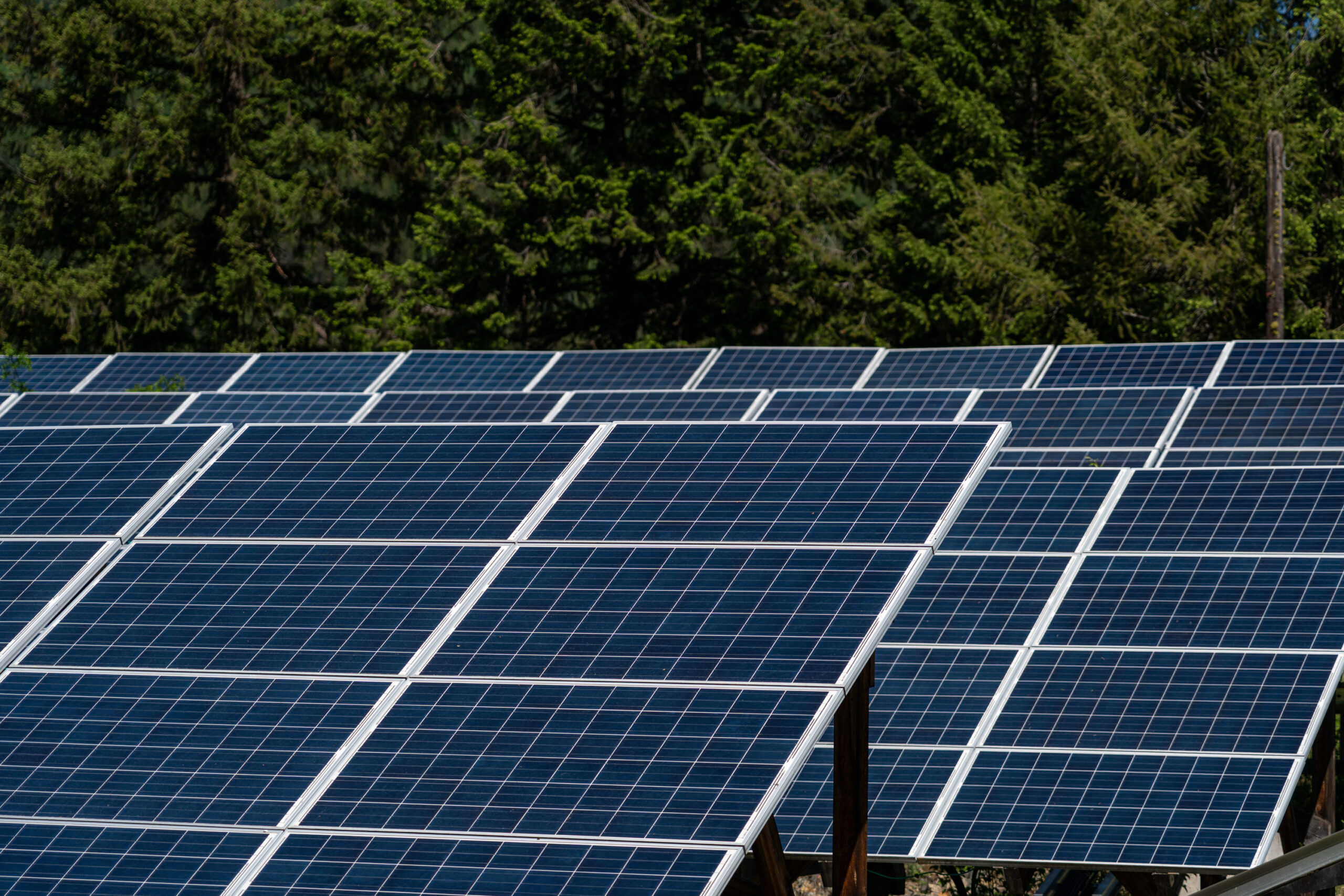
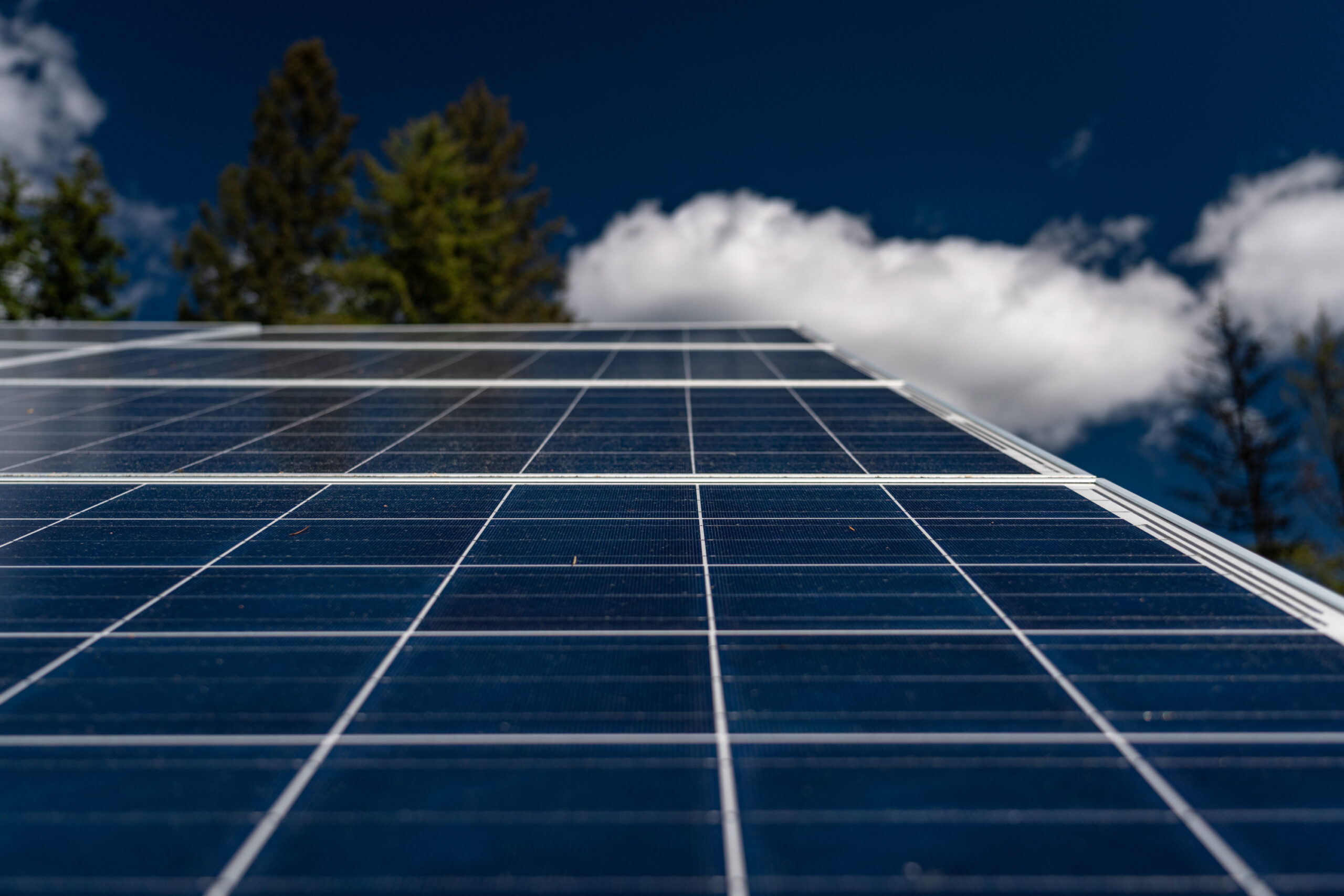
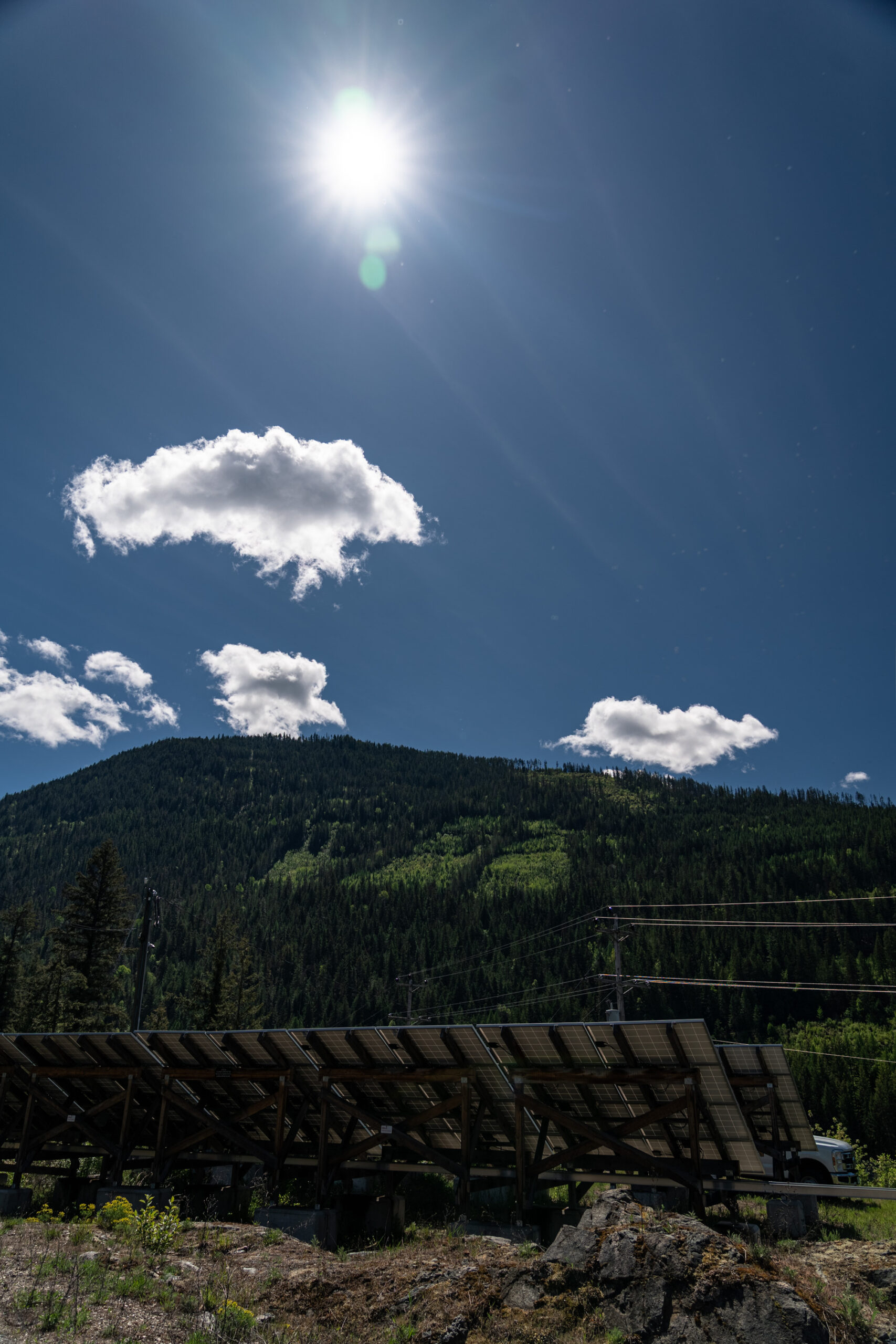
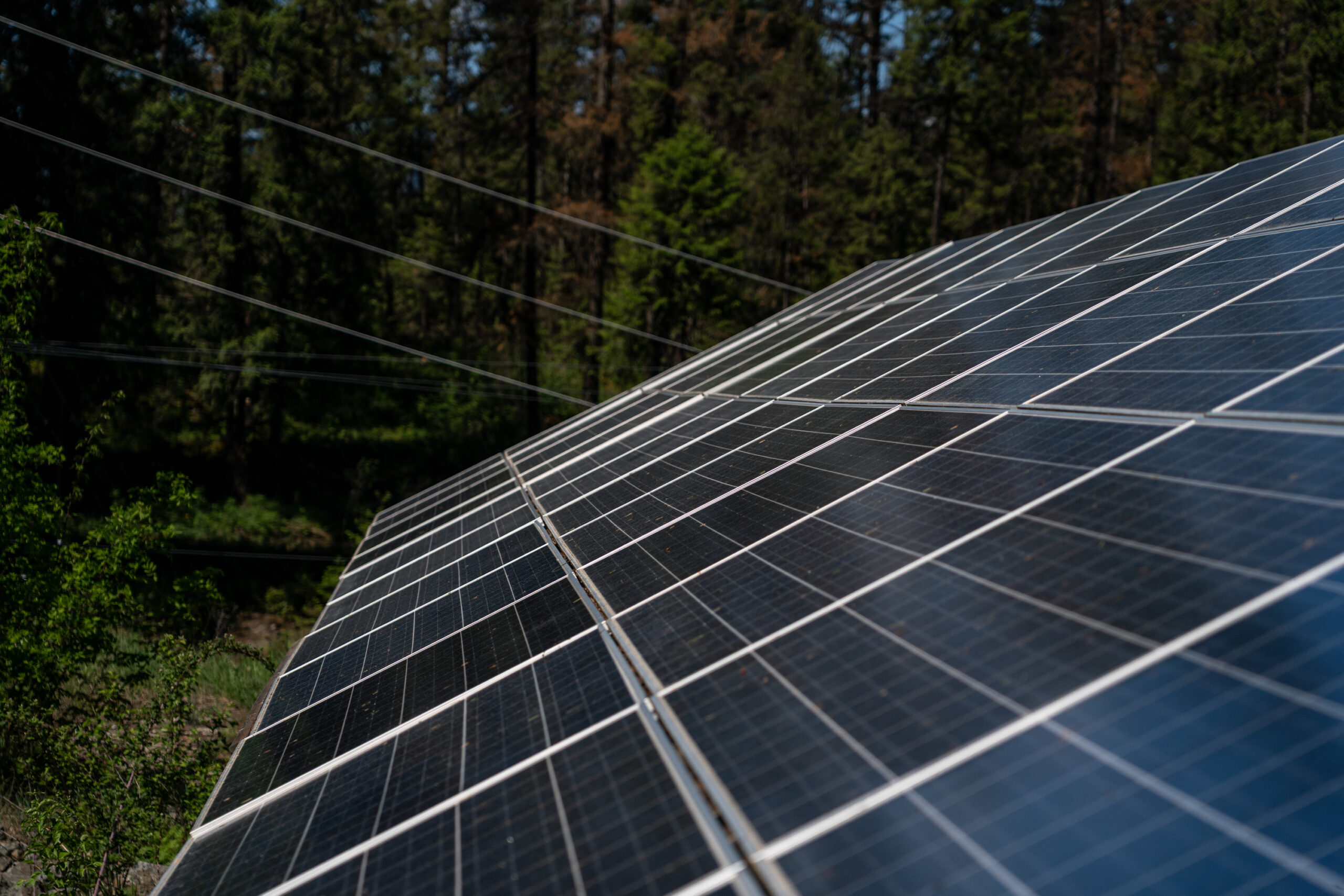
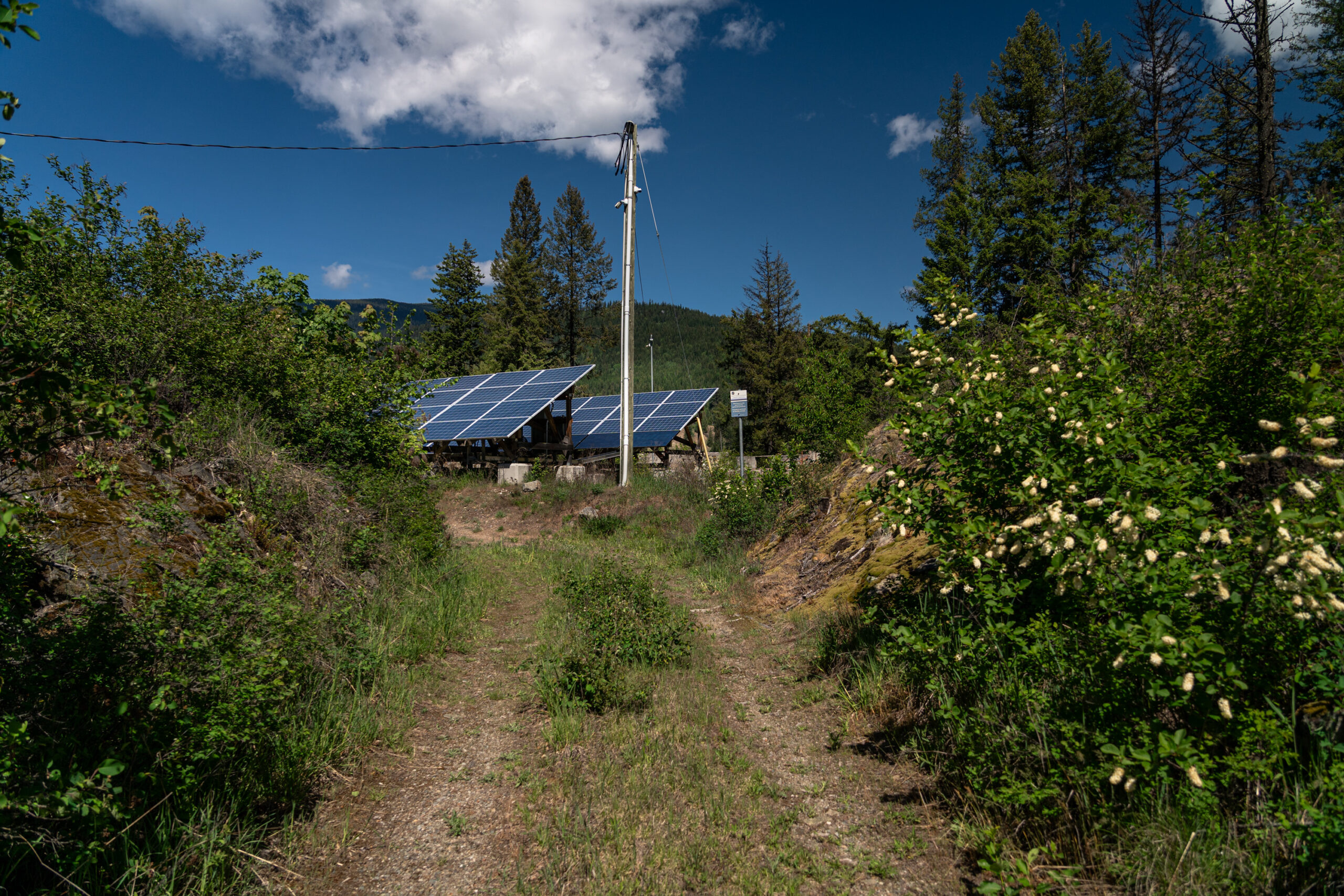
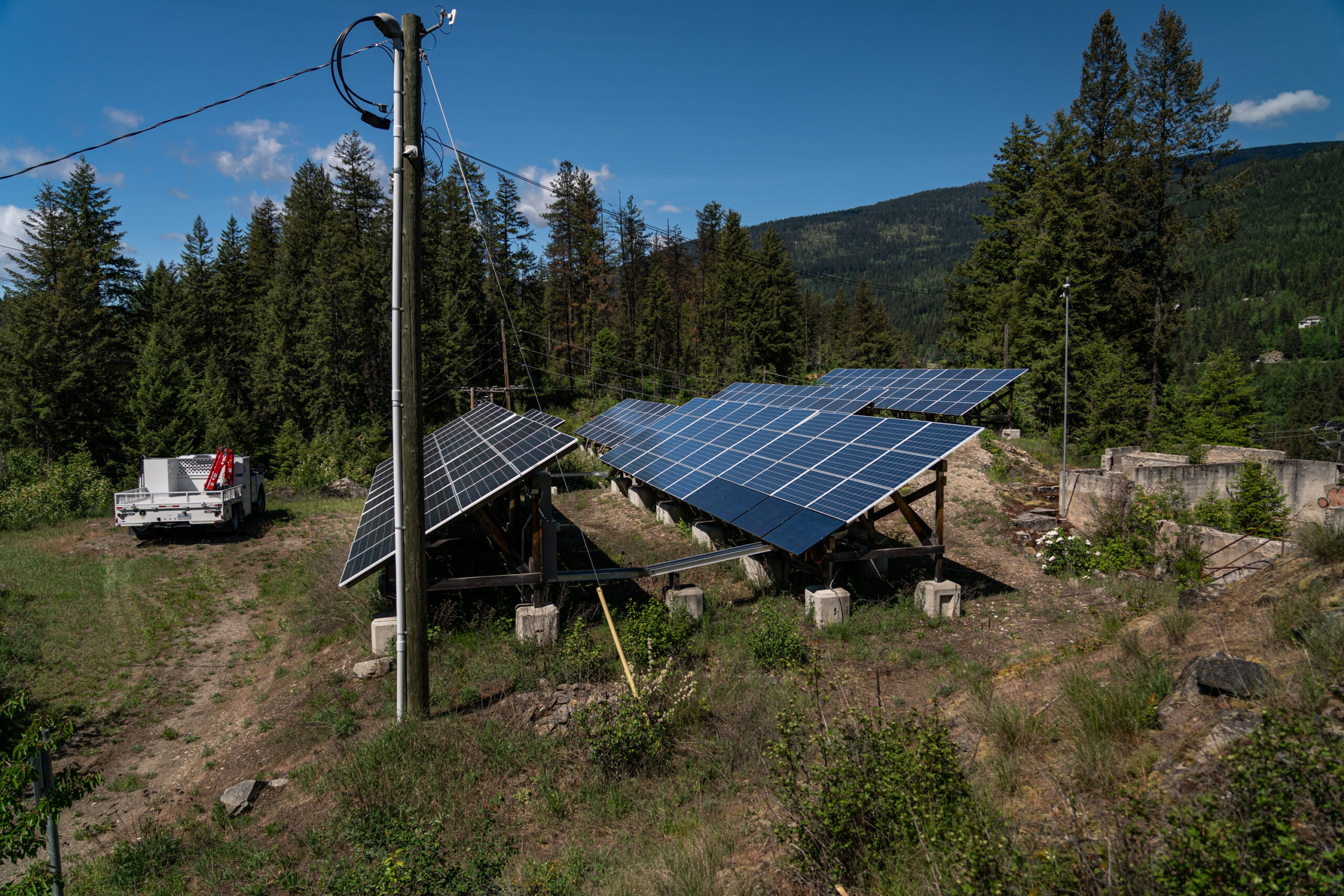
But in 2017, Nelson, British Columbia, pioneered a different approach in Canada. Its municipally owned utility, Nelson Hydro, commissioned a community solar garden that allowed customers to subscribe to panels in a centralized array and receive electricity bill credits based on their output.
The project had several purposes: giving residents access to solar, providing Nelson Hydro with experience in distributed generation and testing a novel community investment model.
Nearly a decade later, the project continues to operate, but there are no plans to expand it. It has, however, demonstrated how community investment models can help finance projects, build public support and keep benefits local.
Municipal ownership, an engaged community and a willing utility made it work
Nelson had several advantages that made the project possible.
First, Nelson Hydro already owned and operated the local electricity system. It had the technical capacity, customer relationships and billing systems needed to build the project and credit electricity generated at one location to customers elsewhere.
Nelson also had an engaged customer base through its EcoSave program, which had supported home energy assessments, efficiency upgrades and financing since 2012.
Public interest was strong. Around 90 people expressed interest before the project launched. Even after being told that solar electricity would cost more than Nelson’s existing hydroelectric supply, residents remained enthusiastic.
Nelson Hydro required at least 75% of the panels in the original 50 kW proposal to be sold during a four-week presale period before construction could proceed. Demand was strong enough to expand the project to 60 kW.
The result combined municipal utility ownership, community investment, grant funding and a virtual billing arrangement, allowing interested customers to finance most of the project.
Security and economics proved challenging
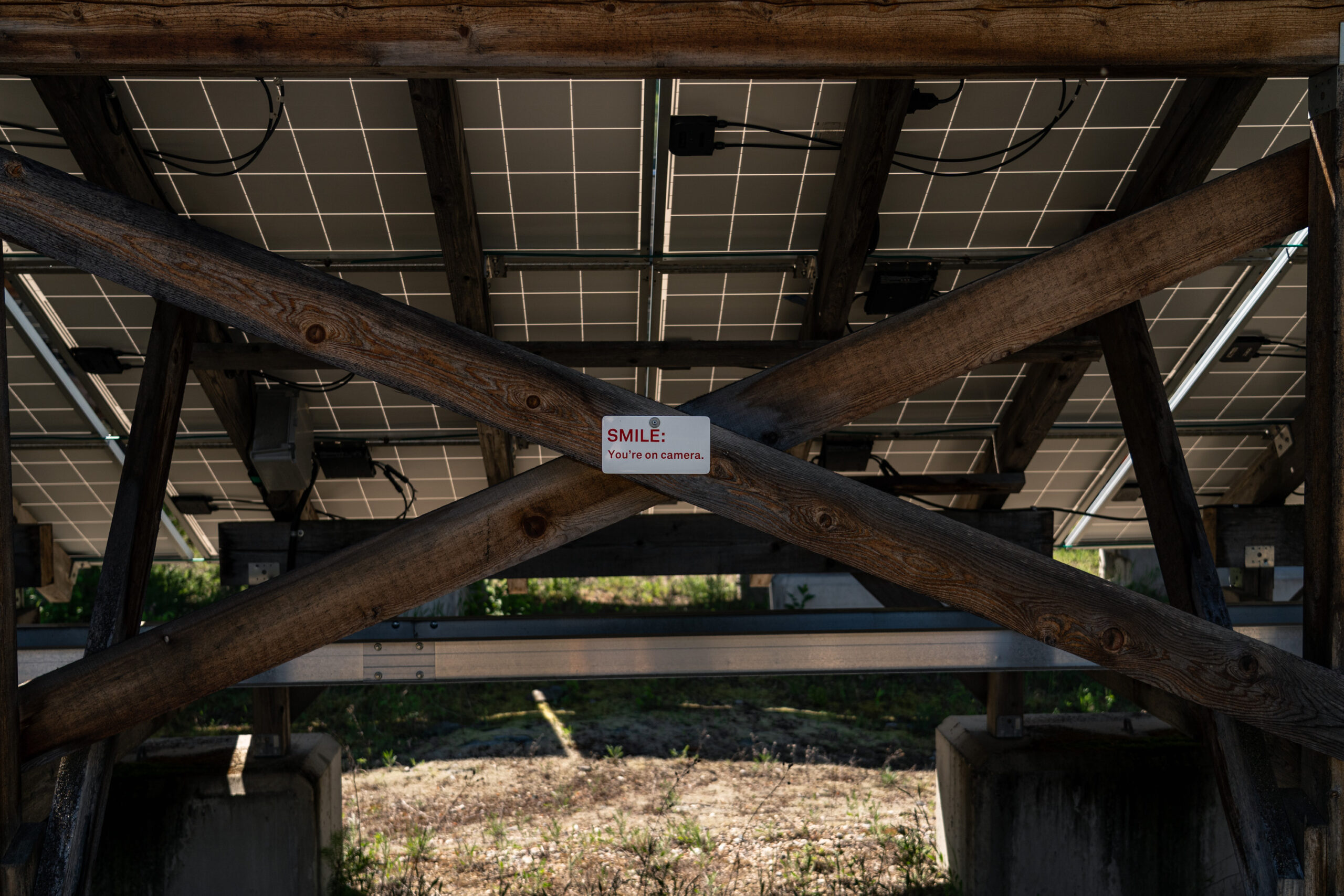
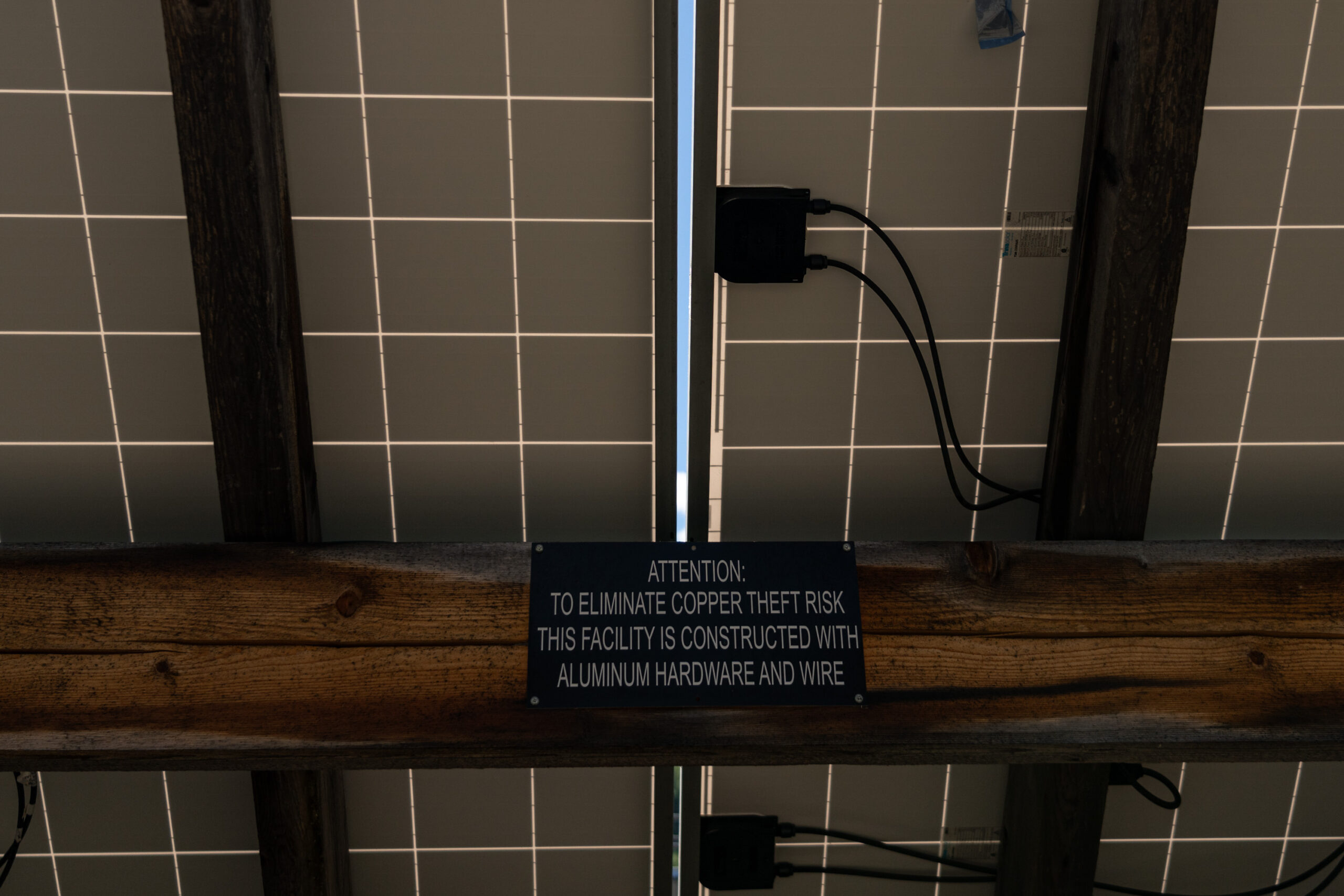
Less than a year after opening, six panels and their micro-inverters were stolen. Replacements and additional security cost almost $18,000, covered by insurance. Nelson Hydro subsequently concluded that security should have received more attention during project design.
Economics proved a more fundamental challenge. Nelson Hydro calculated the project’s levelized cost of electricity (the total cost of owning and operating the solar farm) at approximately $0.47/kWh, far above its existing hydroelectric supply.
Subscribers knew solar would be more expensive, but the economics discouraged further development. Today’s costs would likely be much lower. Globally, the average cost of electricity from new utility-scale solar projects fell by more than half between 2017 and 2024.
There were also concerns about subsidies from non-participating ratepayers. However, customers were largely sheltered from the initial investment, with participants and grants funding most of the capital costs. Nelson Hydro calculated its original contribution at approximately $0.14 per ratepayer annually over the project’s 25-year life.
The Details
60 kW
$330,000
$220,000
248
248
Bonnington, British Columbia
A successful project, but no plans to expand…
By its own assessment, Nelson Hydro largely achieved its objectives. Customers gained access to solar, while the utility gained practical experience building, operating and valuing distributed generation. The project demonstrated a workable approach to community investment in solar.
Nevertheless, the economics did not justify expanding the model under existing conditions. Nelson Hydro has no plans for another solar garden and is not accepting new participants.
…and a broader lesson in community ownership
While not expanding, Nelson’s experience is a reminder that community participation can bring benefits beyond the electricity produced.
Community ownership can come in many forms. Projects can be municipally owned, organized as renewable-energy co-operatives, owned partly or wholly by Indigenous communities, or developed through partnerships with private companies. Community benefits and regional planning can also help retain economic value locally.
Across Canada, Indigenous-led and co-owned clean-energy projects represent approximately $440 million in annual Indigenous returns. Henvey Inlet Wind, another Clean Energy Build-Out project, is one example. Comparable national tracking of other community ownership models remains limited.
Internationally, more than 8,000 energy communities operate across the European Union. The European Commission supports these models to accelerate renewable-energy deployment, strengthen energy security and create local economic benefits.
Community ownership cannot overcome every economic or development challenge. But as Canada aims to double its grid capacity, it can help address two important challenges: building local support for new infrastructure and ensuring communities share in the benefits.