A $1.2 billion investment in waiting — Tidewater Renewable’s Prince George refinery looks to sustainable aviation fuel
Tidewater Renewables is considering a $1.2 billion sustainable aviation fuel investment in Prince George. The project could create jobs, strengthen fuel supply and cut aviation emissions—but moving from proposal to construction may depend on long-term policy and revenue certainty.
Tidewater Renewables is considering a $1.2 billion investment to build a new standalone sustainable aviation fuel production facility next to its existing Prince George refinery and renewable diesel facility.
The proposed facility would produce roughly 6,500 barrels per day of sustainable aviation fuel (SAF) and other renewable products — if all SAF that would be equivalent to roughly 4% of Canadian jet-fuel demand[1] — and create an estimated 65–75 permanent jobs. It could add value to Canadian farm products, reduce dependence on imported jet fuel and provide lower-carbon fuel for one of the most difficult sectors of the economy to decarbonize.
Tidewater already has many of the pieces in place: refinery infrastructure, utilities, hydrogen, fuel distribution, an experienced workforce and Canadian feedstocks arriving by rail. But unlocking the investment will require a clearer and more predictable policy framework.
[1] Based on 6,500 bbl/d production and Canada’s 2025 jet fuel demand 162,000 bbl/d Statistics Canada (2025) Table: 25-10-0081-01.
The Details
3,000 bbl/d
Current Renewable Diesel Capacity
45
Employment
$390 million
Total investment
6,500 bbl/d
Proposed new SAF facility
65-75
Employment
$1.2 billion
Investment
From farms to energy security to greenhouse gas reductions
SAF is a family of alternatives to fossil jet fuel that can significantly reduce lifecycle greenhouse-gas emissions, with commercial technologies achieving reductions of up to 80%, depending on feedstock and production process. It can be blended with conventional jet fuel and used in existing aircraft and fuel infrastructure making it the only near-term commercial option to significantly reduce emissions from aviation.
Canada has many of the ingredients needed to produce it domestically: agricultural and forestry resources, refining expertise, transportation infrastructure and a large aviation market. Canada also imports about 35% of the jet fuel it consumes, meaning domestic SAF could help displace imports and diversify supply.
An Airbus-commissioned study by ICF estimates a net economy-wide return of roughly $1.90 for every dollar of public support, with benefits extending to farmers supplying SAF feedstocks.
But creating a market is not the same as ensuring Canadian production gets built. Federal analysis and industry both identify a remaining challenge: reducing the revenue risk facing billion-dollar investments exposed to volatile fuel and carbon-credit markets.
For Tidewater, that is the missing piece. Amber New, VP Business Development at Tidewater Renewables, says credit markets provide significant value but not enough certainty on their own to underpin a $1.2-billion investment. One option is a revenue stabilization program, providing a predictable revenue floor when overall revenue and costs fall below an agreed level, while conversely returning value when industry profits are higher.
Other jurisdictions are addressing investment risk in different ways:
The United States supports SAF through a federal production tax credit, federal and state clean-fuel markets and financing for new facilities.
In Europe, the European Investment Bank provides long-term financing alongside an EU-wide SAF mandate and national support measures.
The UK is implementing a revenue-certainty mechanism for first-of-a-kind SAF technologies, with contracts expected from 2028.
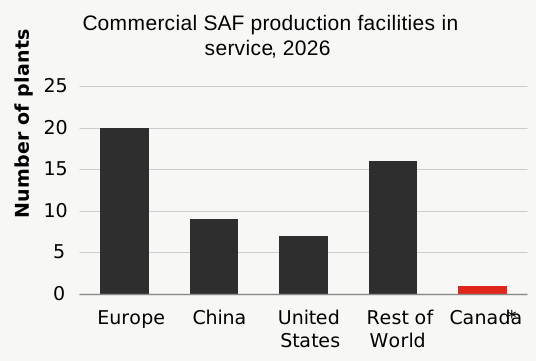
Together, these policies have helped support a growing global SAF industry with near 50 facilities producing the fuel. Canada, meanwhile, still has no sustained commercial SAF production despite its 2030 goal.
Figure 1: Commercial SAF plants by region and country. Source ICAO (2026) ICAO Production Facilities *Canada’s one facility is the Parkland Refinery in Burnaby BC which produced one batch of SAF in 2024.
Tidewater has navigated these investment waters before
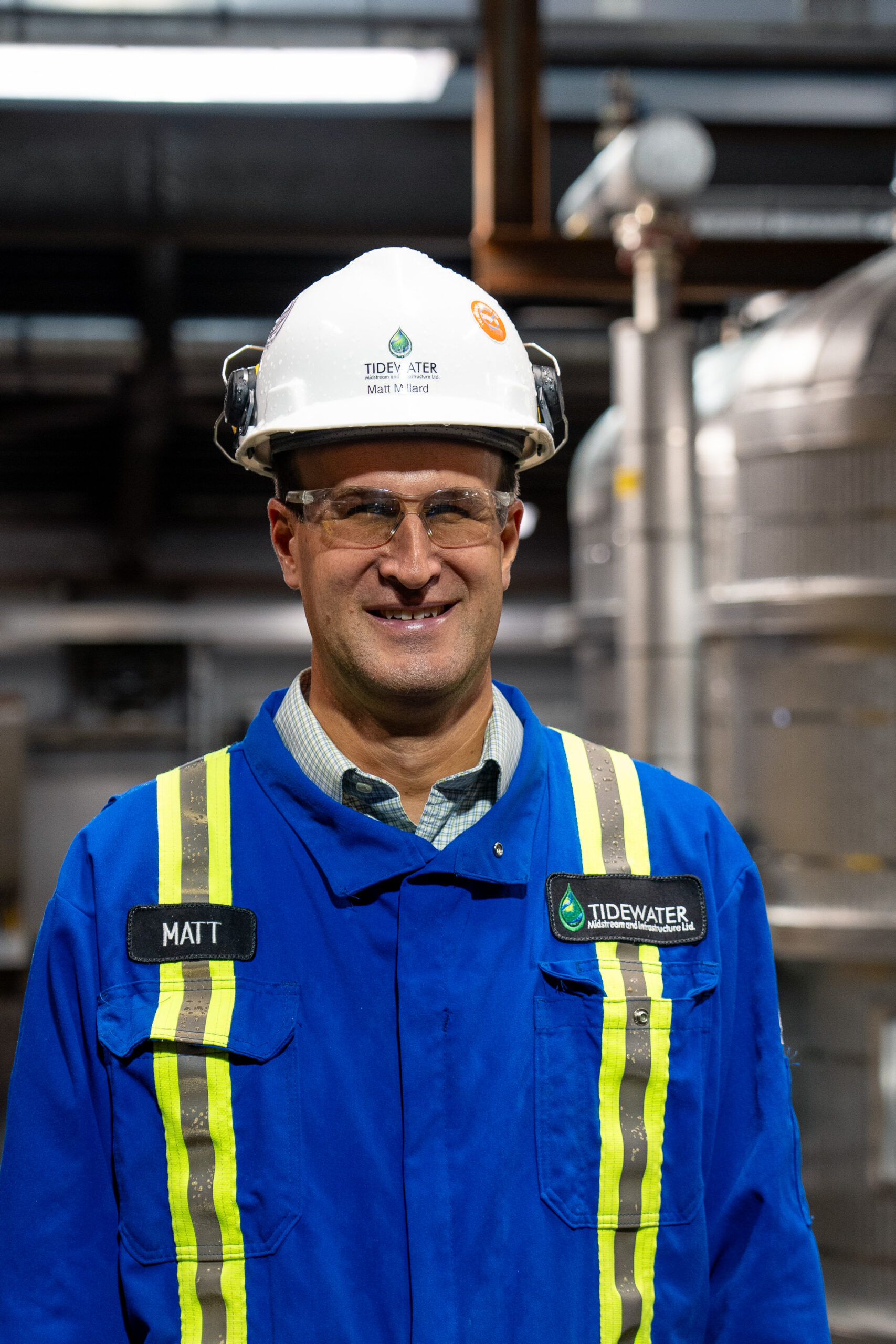
Tidewater’s renewable diesel plant faced similar challenges before starting production in 2023. B.C.’s Low Carbon Fuel Standard and federal Clean Fuel Regulations created a market, but the project also received direct support through an initiative agreement with British Columbia, which Matthew Millard, EVP Downstream Operations, described as “…necessary to getting the investment built.”
How do you decarbonize a D10 bulldozer today? Well, our product will get 85% reductions. It’s not 100%, but it’s a lot and it’s immediate.
Matthew Millard
EVP Downstream Operations, Tidewater Renewables
The roughly $390 million facility is now operating above its 3,000 barrels per day design capacity, with most of the product sold in British Columbia.
Northern B.C. relies heavily on diesel for mining, forestry, construction and transportation. Like SAF, renewable diesel can reduce emissions from existing equipment. As Millard put it: “How do you decarbonize a D10 bulldozer today? Well, our product will get 85% reductions. It’s not 100%, but it’s a lot and it’s immediate.”
The plant also demonstrates the Canadian supply-chain opportunity. It uses predominantly Canadian canola, much of its equipment was manufactured in Alberta and Ontario, and it employs roughly 45 people in Prince George, adding new industrial employment as the region absorbs job losses from the closure of Canfor’s PG Pulp mill in 2023.
The project had a difficult start, built through COVID-era disruption, inflation and rising construction costs before entering a market with rapidly expanding U.S. renewable-diesel supply. Tidewater responded by shifting among feedstocks, adjusting seasonal specifications and responding to changing credit values, lessons it can now apply to SAF.
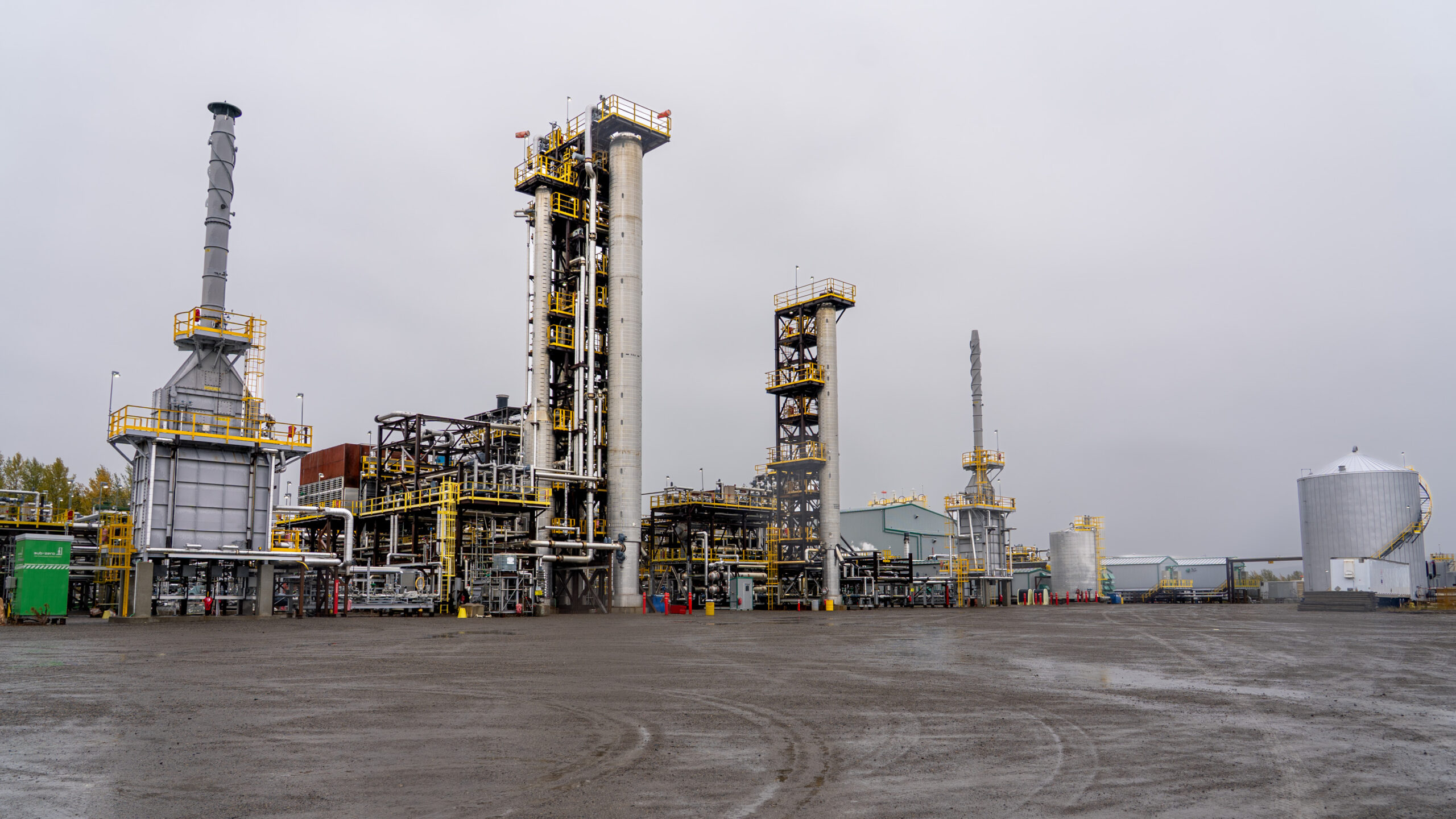
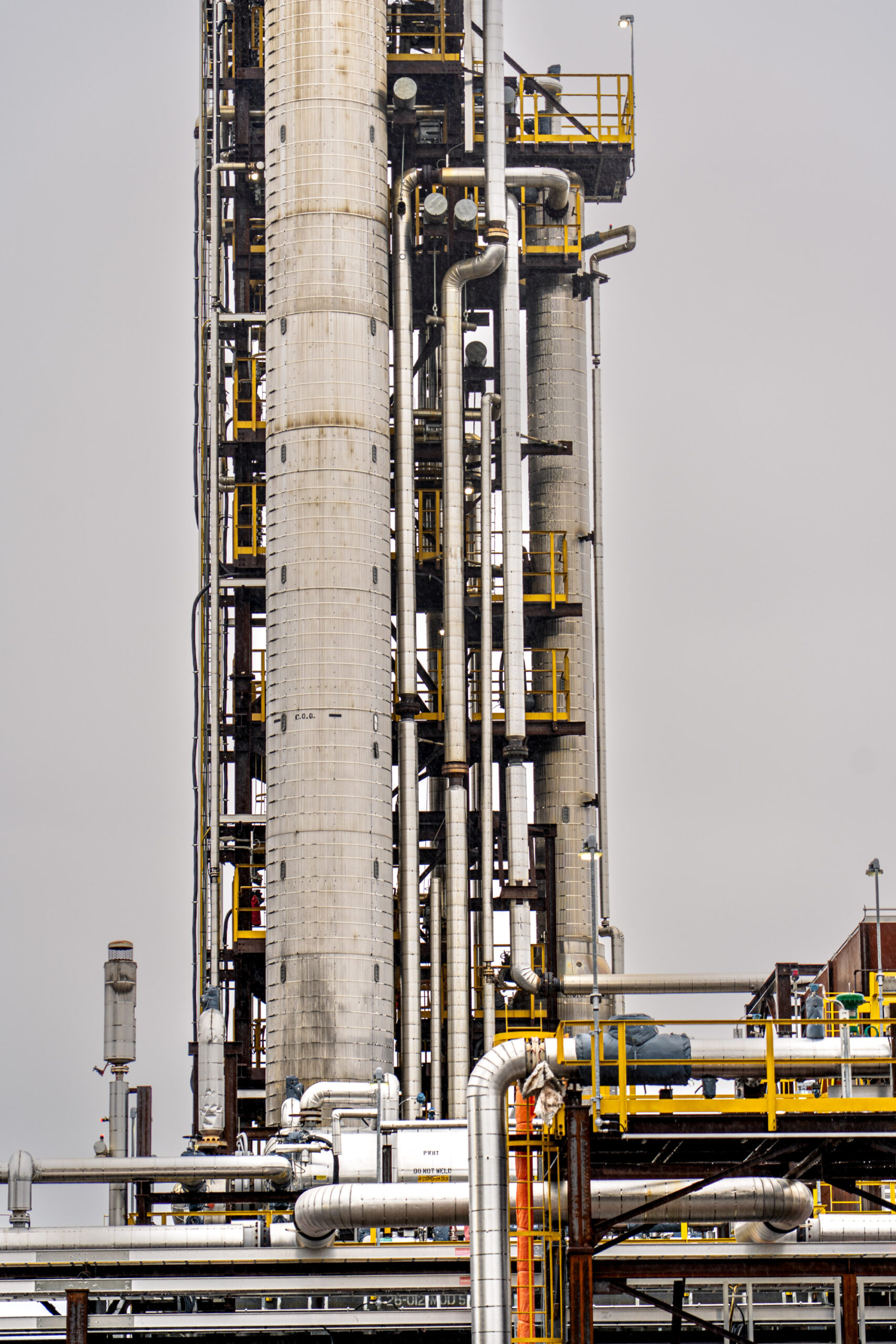
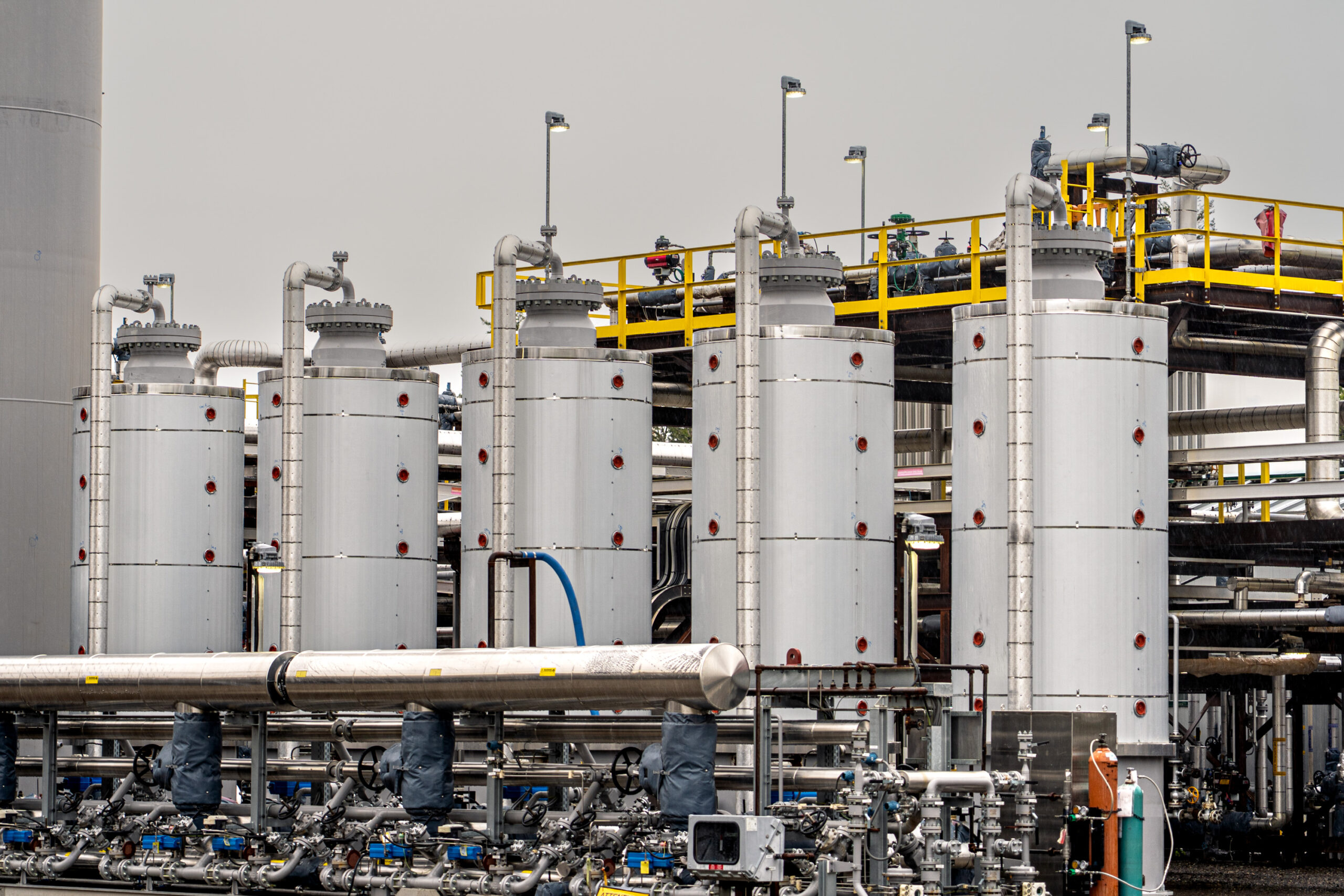
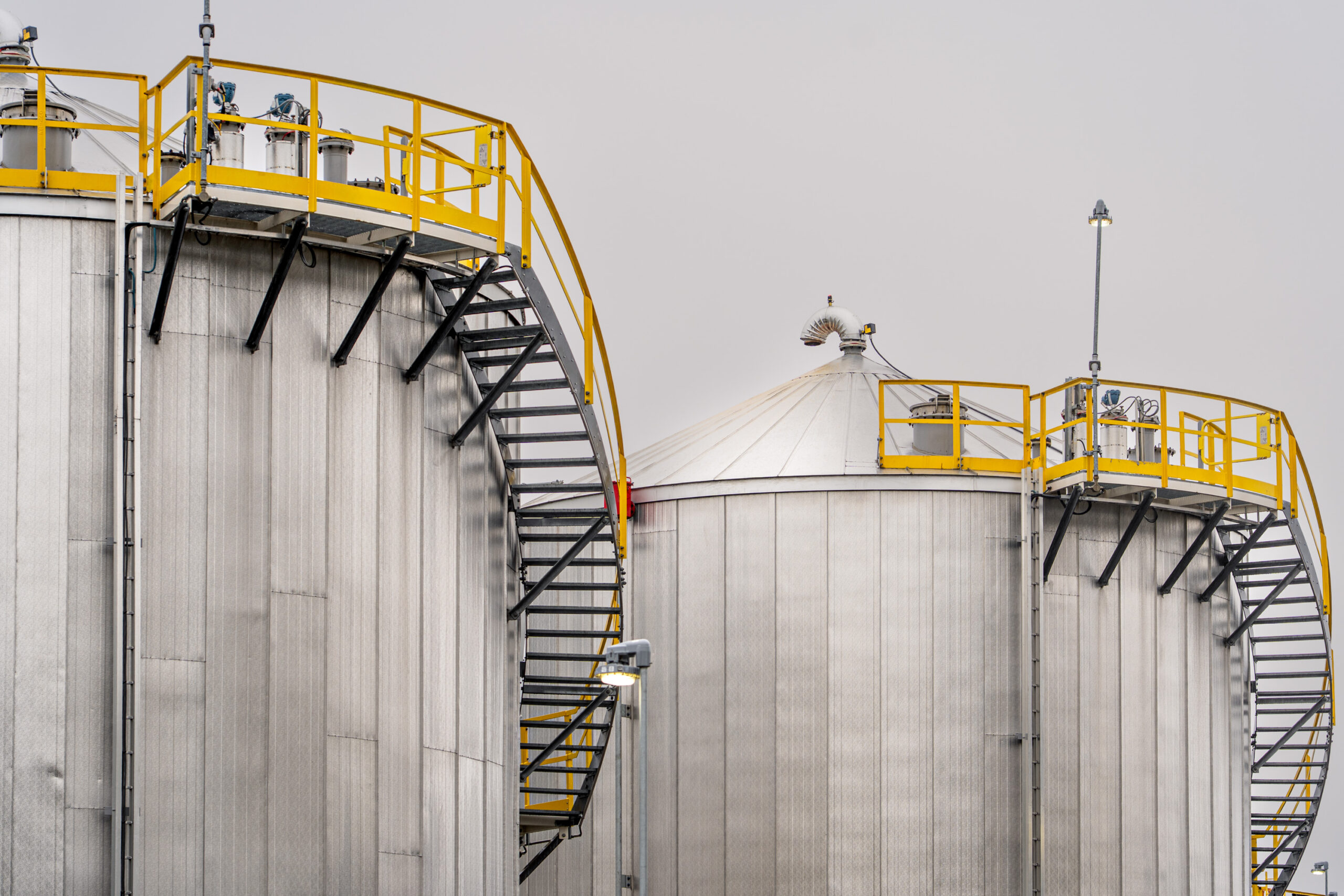
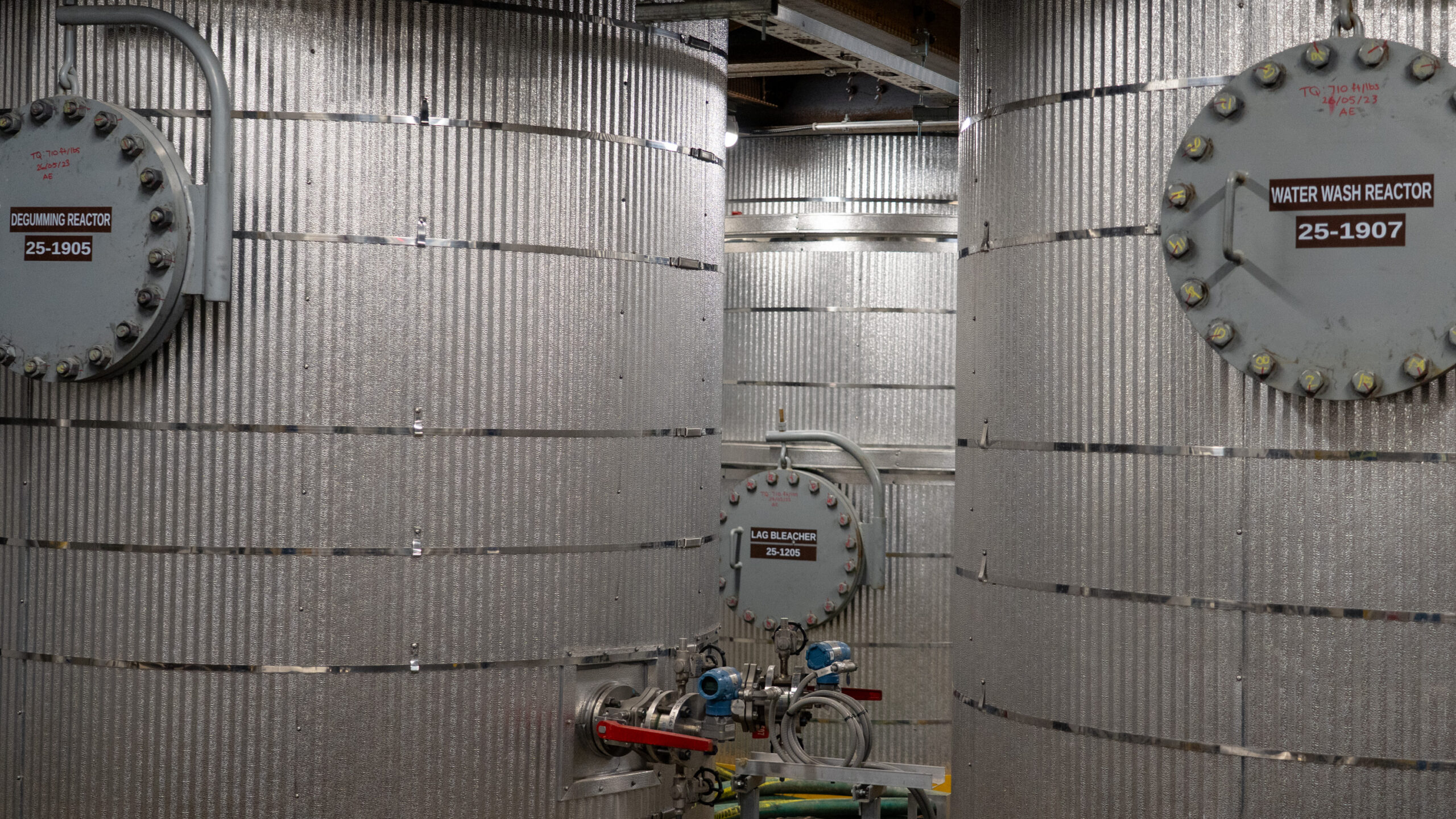
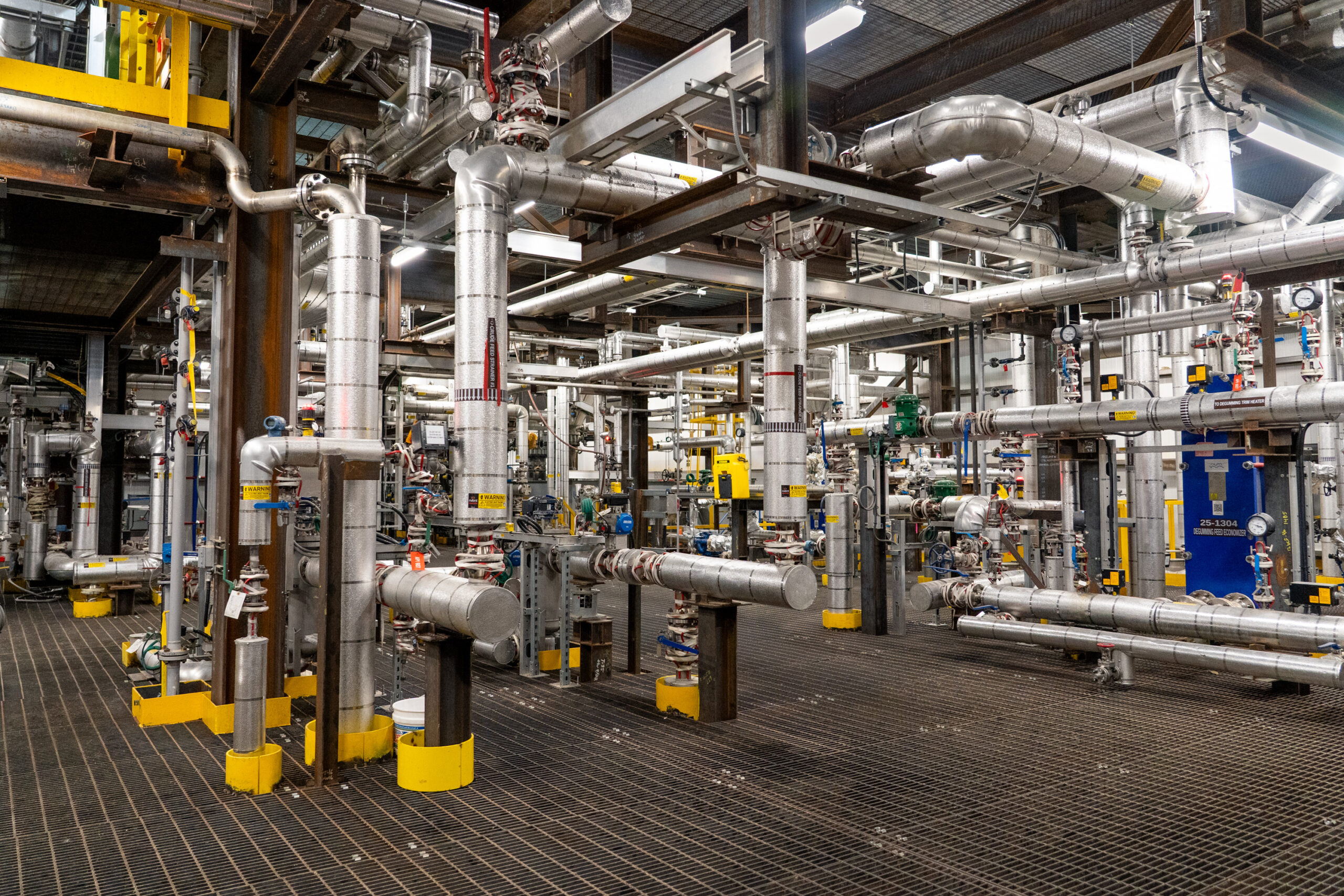
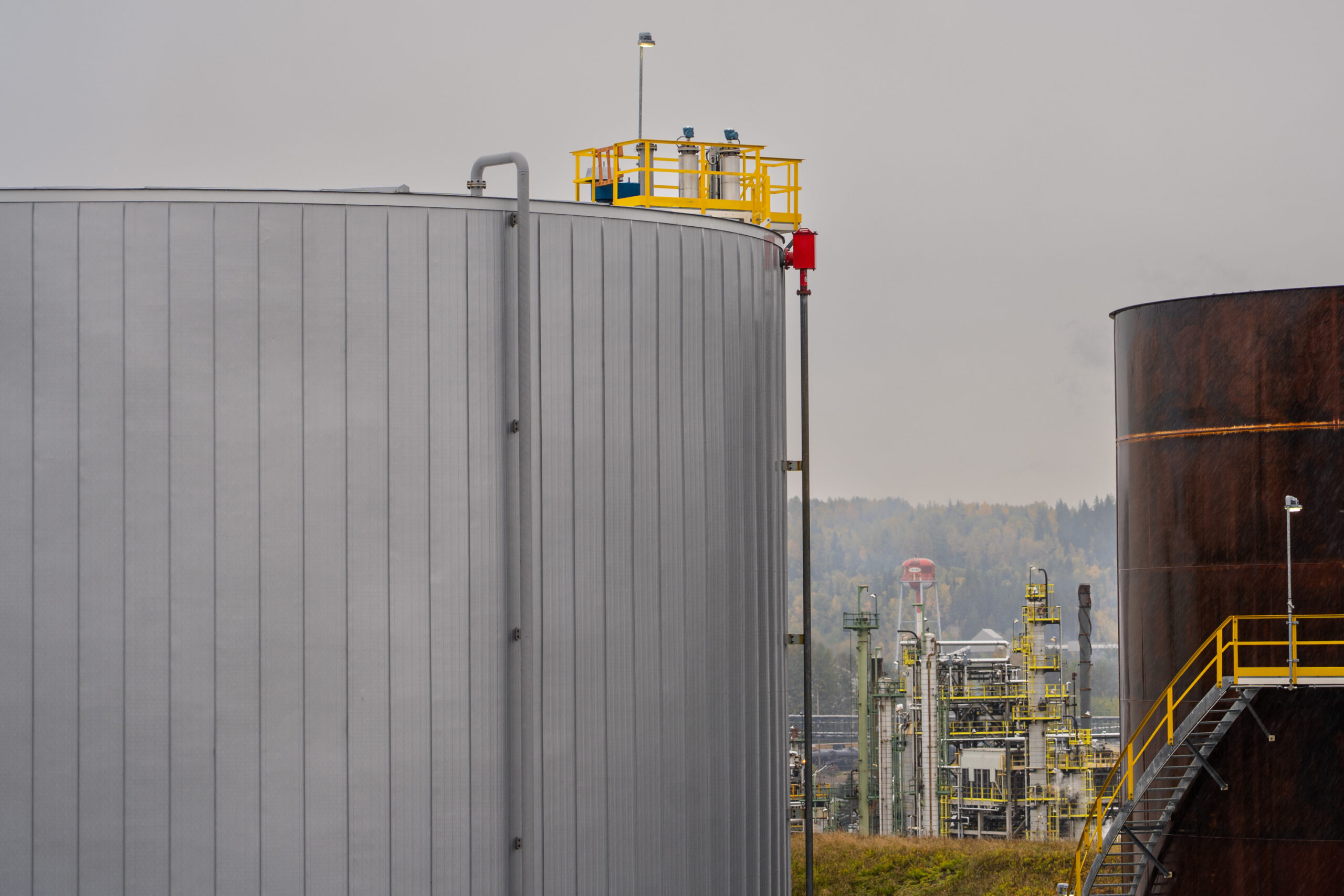
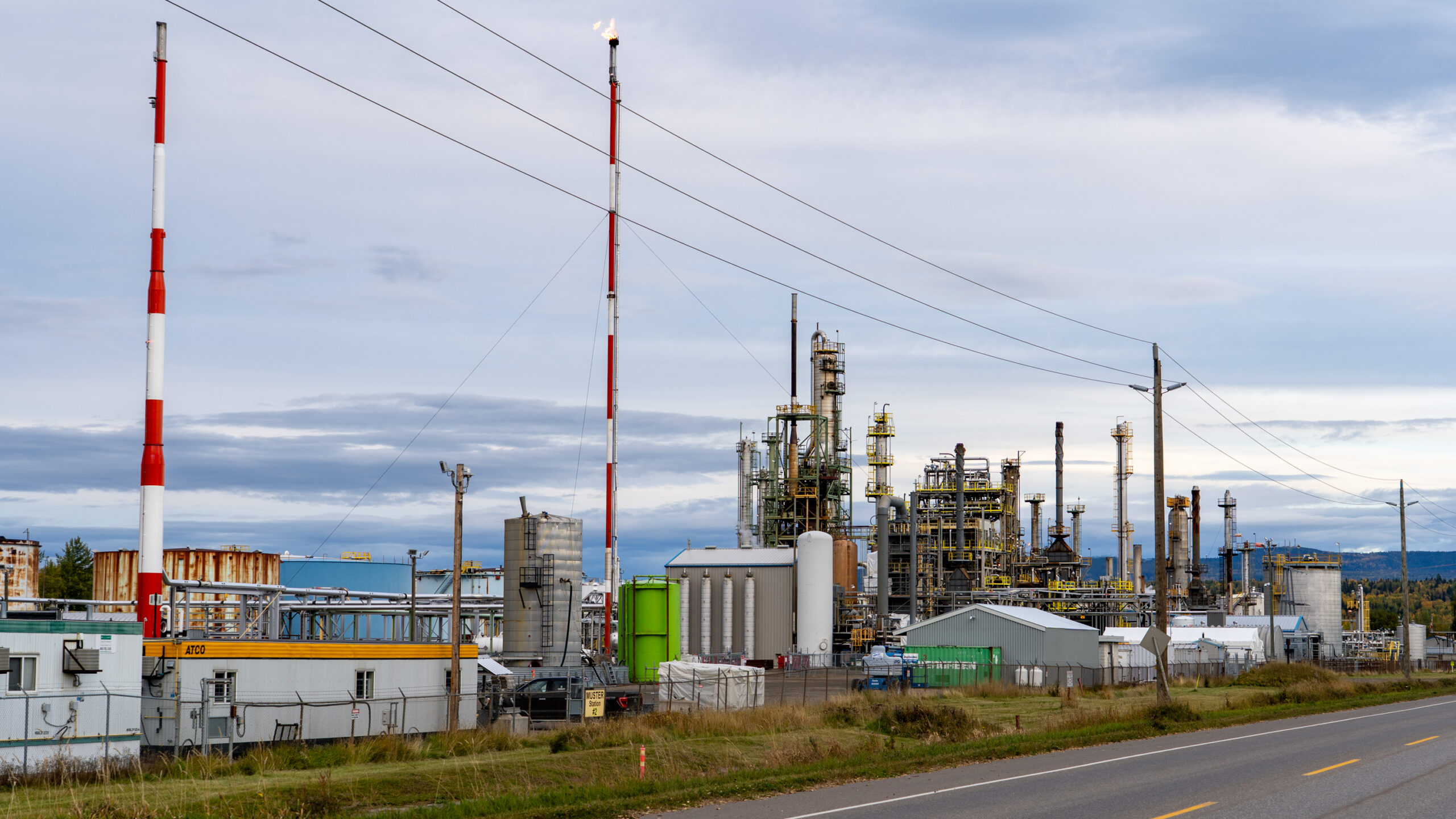
Tidewater Renewables’ roughly $390 million renewable diesel facility in Prince George, British Columbia, has a design capacity of about 3,000 barrels per day and employs roughly 45 people, located next to its convetional refinery. The plant uses predominantly Canadian canola and other renewable feedstocks to produce fuel that can be used in existing diesel engines, with Tidewater estimating lifecycle greenhouse-gas reductions of up to 85% in some applications. The company is now considering a roughly $1.2 billion sustainable aviation fuel project beside the refinery, with capacity of up to 6,500 barrels per day of SAF and other renewable products and an estimated 65–75 permanent jobs.
Tidewater Renewables’ roughly $390 million renewable diesel facility in Prince George, British Columbia, has a design capacity of about 3,000 barrels per day and employs roughly 45 people, located next to its convetional refinery. The plant uses predominantly Canadian canola and other renewable feedstocks to produce fuel that can be used in existing diesel engines, with Tidewater estimating lifecycle greenhouse-gas reductions of up to 85% in some applications. The company is now considering a roughly $1.2 billion sustainable aviation fuel project beside the refinery, with capacity of up to 6,500 barrels per day of SAF and other renewable products and an estimated 65–75 permanent jobs.
Tidewater Renewables’ roughly $390 million renewable diesel facility in Prince George, British Columbia, has a design capacity of about 3,000 barrels per day and employs roughly 45 people, located next to its convetional refinery. The plant uses predominantly Canadian canola and other renewable feedstocks to produce fuel that can be used in existing diesel engines, with Tidewater estimating lifecycle greenhouse-gas reductions of up to 85% in some applications. The company is now considering a roughly $1.2 billion sustainable aviation fuel project beside the refinery, with capacity of up to 6,500 barrels per day of SAF and other renewable products and an estimated 65–75 permanent jobs.
Tidewater Renewables’ roughly $390 million renewable diesel facility in Prince George, British Columbia, has a design capacity of about 3,000 barrels per day and employs roughly 45 people, located next to its convetional refinery. The plant uses predominantly Canadian canola and other renewable feedstocks to produce fuel that can be used in existing diesel engines, with Tidewater estimating lifecycle greenhouse-gas reductions of up to 85% in some applications. The company is now considering a roughly $1.2 billion sustainable aviation fuel project beside the refinery, with capacity of up to 6,500 barrels per day of SAF and other renewable products and an estimated 65–75 permanent jobs.
Tidewater Renewables’ roughly $390 million renewable diesel facility in Prince George, British Columbia, has a design capacity of about 3,000 barrels per day and employs roughly 45 people, located next to its convetional refinery. The plant uses predominantly Canadian canola and other renewable feedstocks to produce fuel that can be used in existing diesel engines, with Tidewater estimating lifecycle greenhouse-gas reductions of up to 85% in some applications. The company is now considering a roughly $1.2 billion sustainable aviation fuel project beside the refinery, with capacity of up to 6,500 barrels per day of SAF and other renewable products and an estimated 65–75 permanent jobs.
Tidewater Renewables’ roughly $390 million renewable diesel facility in Prince George, British Columbia, has a design capacity of about 3,000 barrels per day and employs roughly 45 people, located next to its convetional refinery. The plant uses predominantly Canadian canola and other renewable feedstocks to produce fuel that can be used in existing diesel engines, with Tidewater estimating lifecycle greenhouse-gas reductions of up to 85% in some applications. The company is now considering a roughly $1.2 billion sustainable aviation fuel project beside the refinery, with capacity of up to 6,500 barrels per day of SAF and other renewable products and an estimated 65–75 permanent jobs.
Tidewater Renewables’ roughly $390 million renewable diesel facility in Prince George, British Columbia, has a design capacity of about 3,000 barrels per day and employs roughly 45 people, located next to its convetional refinery. The plant uses predominantly Canadian canola and other renewable feedstocks to produce fuel that can be used in existing diesel engines, with Tidewater estimating lifecycle greenhouse-gas reductions of up to 85% in some applications. The company is now considering a roughly $1.2 billion sustainable aviation fuel project beside the refinery, with capacity of up to 6,500 barrels per day of SAF and other renewable products and an estimated 65–75 permanent jobs.
Tidewater Renewables’ roughly $390 million renewable diesel facility in Prince George, British Columbia, has a design capacity of about 3,000 barrels per day and employs roughly 45 people, located next to its convetional refinery. The plant uses predominantly Canadian canola and other renewable feedstocks to produce fuel that can be used in existing diesel engines, with Tidewater estimating lifecycle greenhouse-gas reductions of up to 85% in some applications. The company is now considering a roughly $1.2 billion sustainable aviation fuel project beside the refinery, with capacity of up to 6,500 barrels per day of SAF and other renewable products and an estimated 65–75 permanent jobs.
Tidewater Renewables’ roughly $390 million renewable diesel facility in Prince George, British Columbia, has a design capacity of about 3,000 barrels per day and employs roughly 45 people, located next to its convetional refinery. The plant uses predominantly Canadian canola and other renewable feedstocks to produce fuel that can be used in existing diesel engines, with Tidewater estimating lifecycle greenhouse-gas reductions of up to 85% in some applications. The company is now considering a roughly $1.2 billion sustainable aviation fuel project beside the refinery, with capacity of up to 6,500 barrels per day of SAF and other renewable products and an estimated 65–75 permanent jobs.
Tidewater Renewables’ roughly $390 million renewable diesel facility in Prince George, British Columbia, has a design capacity of about 3,000 barrels per day and employs roughly 45 people, located next to its convetional refinery. The plant uses predominantly Canadian canola and other renewable feedstocks to produce fuel that can be used in existing diesel engines, with Tidewater estimating lifecycle greenhouse-gas reductions of up to 85% in some applications. The company is now considering a roughly $1.2 billion sustainable aviation fuel project beside the refinery, with capacity of up to 6,500 barrels per day of SAF and other renewable products and an estimated 65–75 permanent jobs.
Tidewater Renewables’ roughly $390 million renewable diesel facility in Prince George, British Columbia, has a design capacity of about 3,000 barrels per day and employs roughly 45 people, located next to its convetional refinery. The plant uses predominantly Canadian canola and other renewable feedstocks to produce fuel that can be used in existing diesel engines, with Tidewater estimating lifecycle greenhouse-gas reductions of up to 85% in some applications. The company is now considering a roughly $1.2 billion sustainable aviation fuel project beside the refinery, with capacity of up to 6,500 barrels per day of SAF and other renewable products and an estimated 65–75 permanent jobs.
Tidewater Renewables’ roughly $390 million renewable diesel facility in Prince George, British Columbia, has a design capacity of about 3,000 barrels per day and employs roughly 45 people, located next to its convetional refinery. The plant uses predominantly Canadian canola and other renewable feedstocks to produce fuel that can be used in existing diesel engines, with Tidewater estimating lifecycle greenhouse-gas reductions of up to 85% in some applications. The company is now considering a roughly $1.2 billion sustainable aviation fuel project beside the refinery, with capacity of up to 6,500 barrels per day of SAF and other renewable products and an estimated 65–75 permanent jobs.
Tidewater Renewables’ roughly $390 million renewable diesel facility in Prince George, British Columbia, has a design capacity of about 3,000 barrels per day and employs roughly 45 people, located next to its convetional refinery. The plant uses predominantly Canadian canola and other renewable feedstocks to produce fuel that can be used in existing diesel engines, with Tidewater estimating lifecycle greenhouse-gas reductions of up to 85% in some applications. The company is now considering a roughly $1.2 billion sustainable aviation fuel project beside the refinery, with capacity of up to 6,500 barrels per day of SAF and other renewable products and an estimated 65–75 permanent jobs.
Tidewater Renewables’ roughly $390 million renewable diesel facility in Prince George, British Columbia, has a design capacity of about 3,000 barrels per day and employs roughly 45 people, located next to its convetional refinery. The plant uses predominantly Canadian canola and other renewable feedstocks to produce fuel that can be used in existing diesel engines, with Tidewater estimating lifecycle greenhouse-gas reductions of up to 85% in some applications. The company is now considering a roughly $1.2 billion sustainable aviation fuel project beside the refinery, with capacity of up to 6,500 barrels per day of SAF and other renewable products and an estimated 65–75 permanent jobs.
Tidewater Renewables’ roughly $390 million renewable diesel facility in Prince George, British Columbia, has a design capacity of about 3,000 barrels per day and employs roughly 45 people, located next to its convetional refinery. The plant uses predominantly Canadian canola and other renewable feedstocks to produce fuel that can be used in existing diesel engines, with Tidewater estimating lifecycle greenhouse-gas reductions of up to 85% in some applications. The company is now considering a roughly $1.2 billion sustainable aviation fuel project beside the refinery, with capacity of up to 6,500 barrels per day of SAF and other renewable products and an estimated 65–75 permanent jobs.
What comes next
Canada’s SAF potential extends beyond Tidewater. There are three projects nearing final investment decision representing $3 billion in investment according to NRCan. But with competing jurisdictions already supporting new production, developing a Canadian SAF industry will likely require measures that reduce investment risk.
For the federal government, the question is whether a domestic SAF industry warrants additional support and, if so, which approach can provide it most effectively. Its clean fuel regulations also only extend annual tightening to 2030, introducing additional uncertainty to credit markets.
For Tidewater, the answer to those questions could determine whether another $1.2 billion is invested in Prince George.